
The Easiest Indoor Plants that Thrive in Low Light
Spring is around the corner, and I have plants at the top of my mind! I’d consider myself to have a green thumb, but ever since moving into our current home, I’ve struggled to keep indoor houseplants alive. Not every space is flooded with natural light. Older homes, north facing rooms, basements, powder baths, and even living rooms often have darker corners that need life. The good news is that there are indoor plants that thrive in low light. You just have to choose the right ones.
I’m the girl who comes from a family of gardening & agriculture, has had 20+ houseplants at a time, propagates for friends, and keeps a bountiful outdoor garden… so why can’t I seem to keep plants alive inside our house? It’s something I totally gave up on… until recently. I visited my favorite garden center to chat with the experts and give it one last go. What I found out was surprising and new information to me. Online articles had led me astray and I’d wasted my time and money these past few years. Click through for expert recommended easy indoor house plants that actually thrive in low light conditions… and to see which plant I landed on to break my streak! These are the easiest indoor plants that truly do well in low light and still look elevated in a thoughtfully designed space.
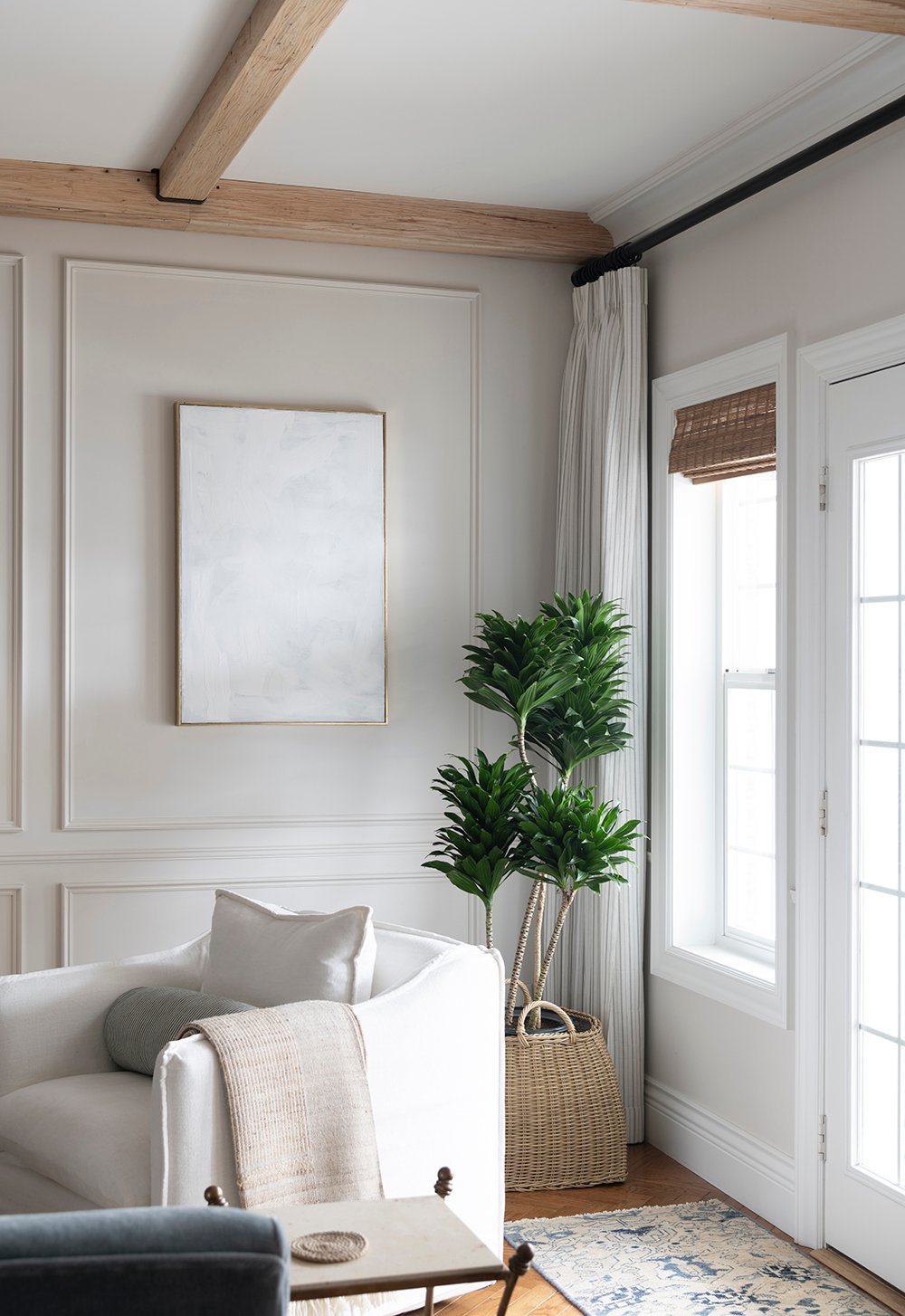
As I mentioned, I’d all but given up on indoor plants. As I continued to kill beautiful (and expensive) plants, I turned to convincing faux plants… and I’ll say- there’s definitely a place for those, but I was missing the benefits of caring for a live plant. They’re air purifying, it’s rewarding to watch them grow, and they really do add (actual) life to your home. Was it my efficient, light filtering windows? Did I suddenly lose my green thumb? Turns out, the “low light” house plants I read about in many articles don’t actually survive in low light conditions- let alone thrive. Even in our south facing living room, my plants continued to look droopy and sad.
I’m happy to report, since my visit to the garden center (two years ago)– my indoor plants are looking happy and healthy! Here’s what I learned…
What “Low Light” Actually Means
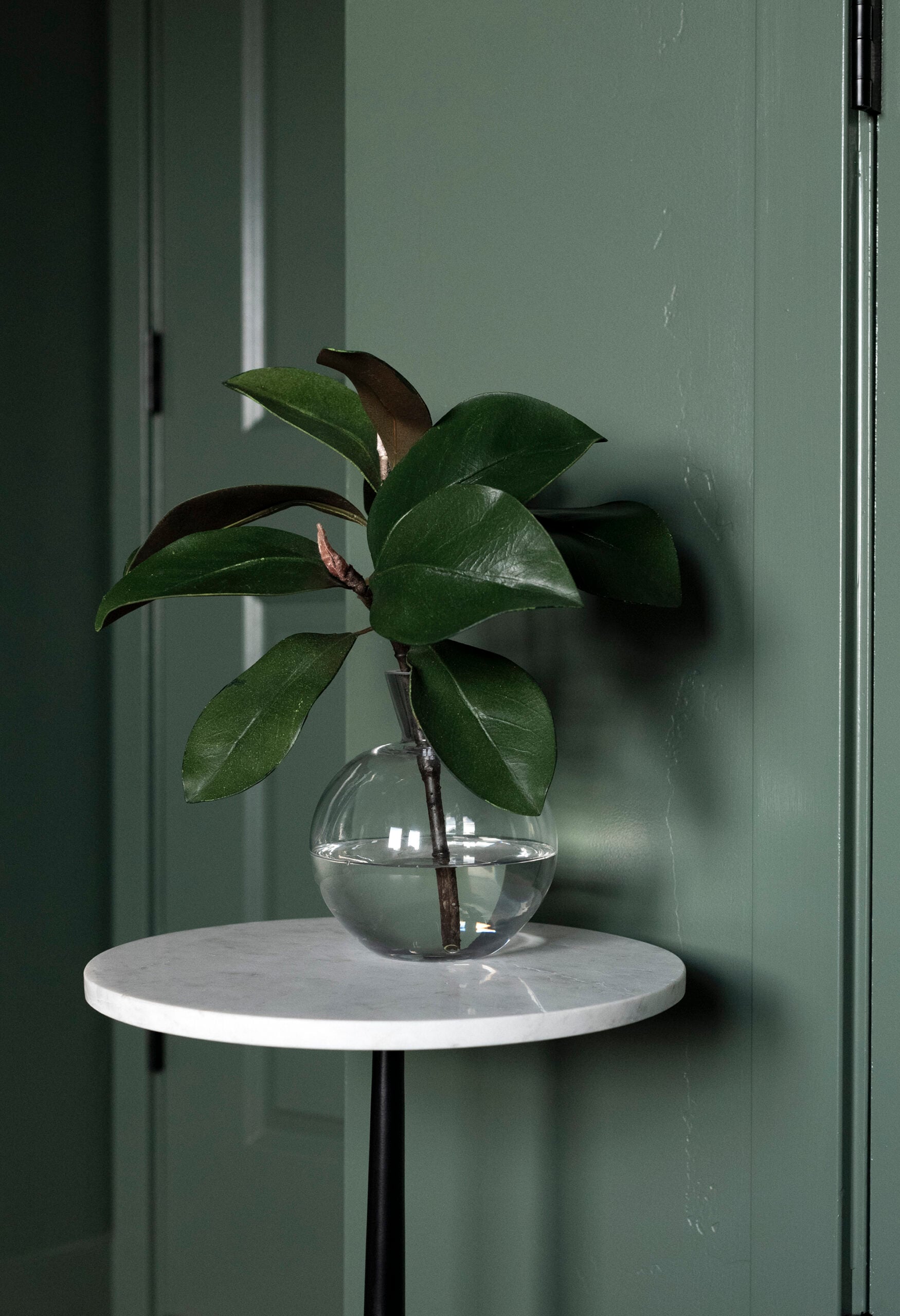
Before we get into specific plants, I wanted to clarify what low light means. Low light does not mean no light. It typically means indirect light, filtered light, or a room that sits farther from a window. Think north facing windows, corners of a living room, hallways, or bathrooms with small windows. If a space is so dark you need a lamp on all day, you’ll likely need a grow light. Now let’s talk about the plants that have earned their spot in my home.
Tolerate vs Thrive
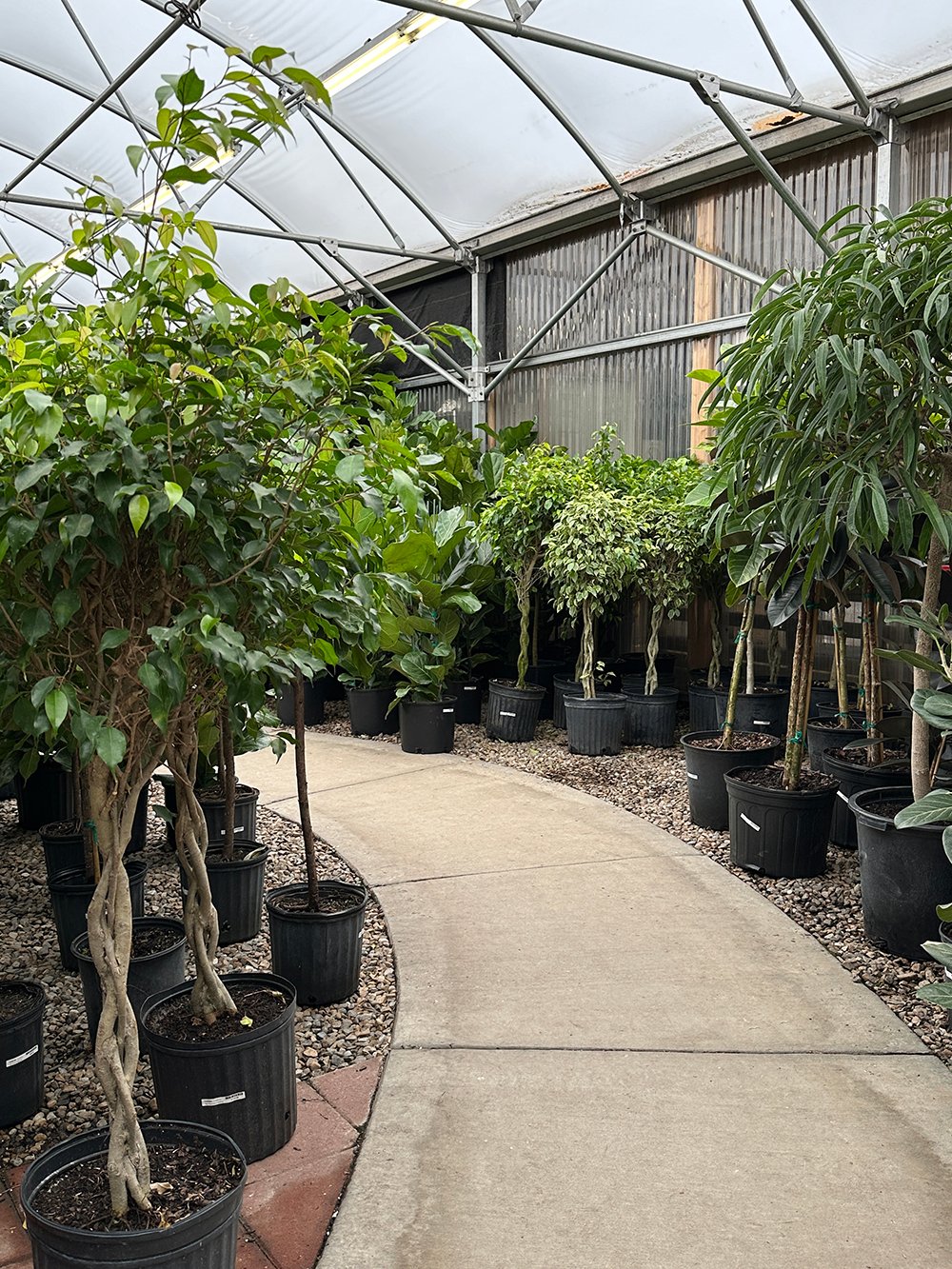
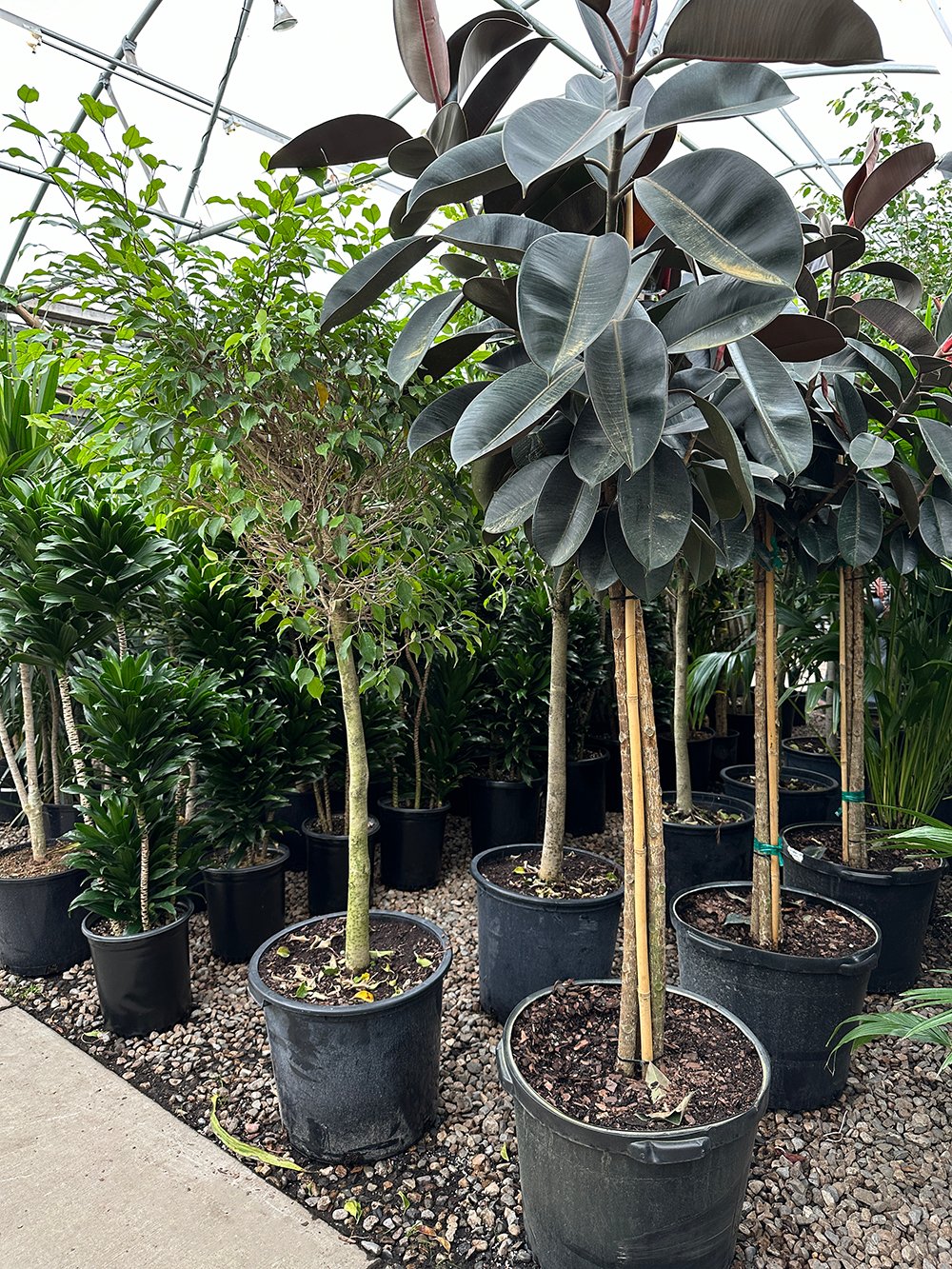
When chatting with the experts- I learned there are truly only a few plant options that thrive in low light, indoor conditions. Contrary to the articles I had previously read that recommended plants such as: ficus varieties, money trees, rubber trees, etc… the experts told me those will continually fail in my house. Turns out, I was trying to keep plants alive in an environment that didn’t suit them. Multiple experts at my greenhouse echoed this sentiment:
There is a BIG difference in what a plant will tolerate versus the environment in which it will thrive.
A plant that tolerates low light will only survive for so long- and supplementation is necessary to keep it alive (time spent outside in the sun, a grow light, etc). It won’t grow, it will look unhappy or drop leaves, but it can survive with extra attention. I’ve tried these plants many, many times and have continued to fail, so I decided this is not a direction I wanted to try again.
A plant that is better suited for low light, indoor conditions will thrive… it will grow, it will look happy, and it doesn’t require extra effort- just a spot near a window and correct watering. This seemed like a much safer and easier bet! Turns out, I was simply choosing the wrong plants.
Plants That Thrive in Low Light Indoor Conditions
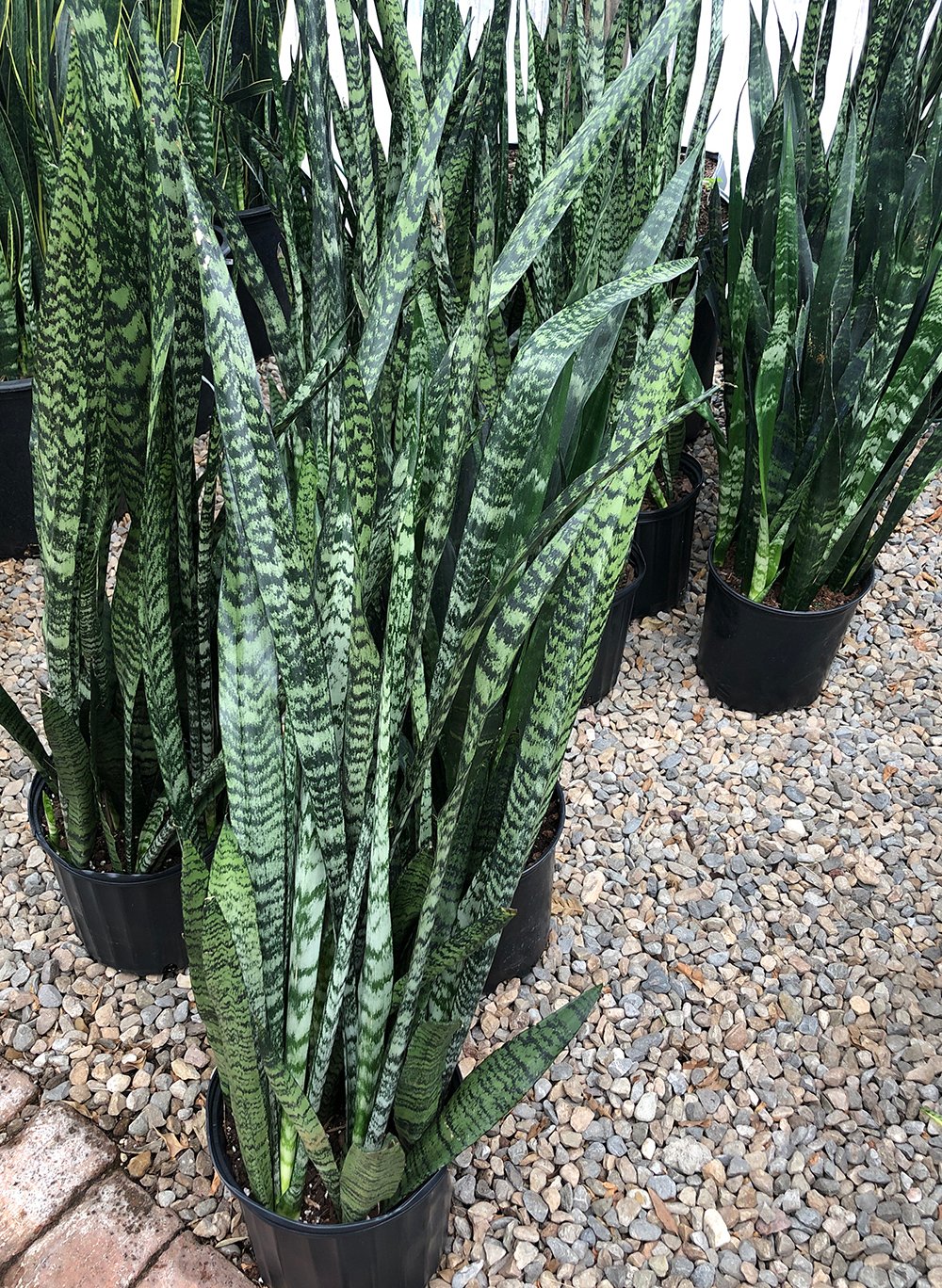
Sadly, there aren’t many plants that are well suited for this environment. I also live in a dry (non humid) climate- which adds to the level of difficulty. If you don’t want to waste your money, are looking to EASILY keep your plants alive, and have a similar low light situation- my garden experts recommended these four fail-proof plants…
Dracaena (including Snake Plants)
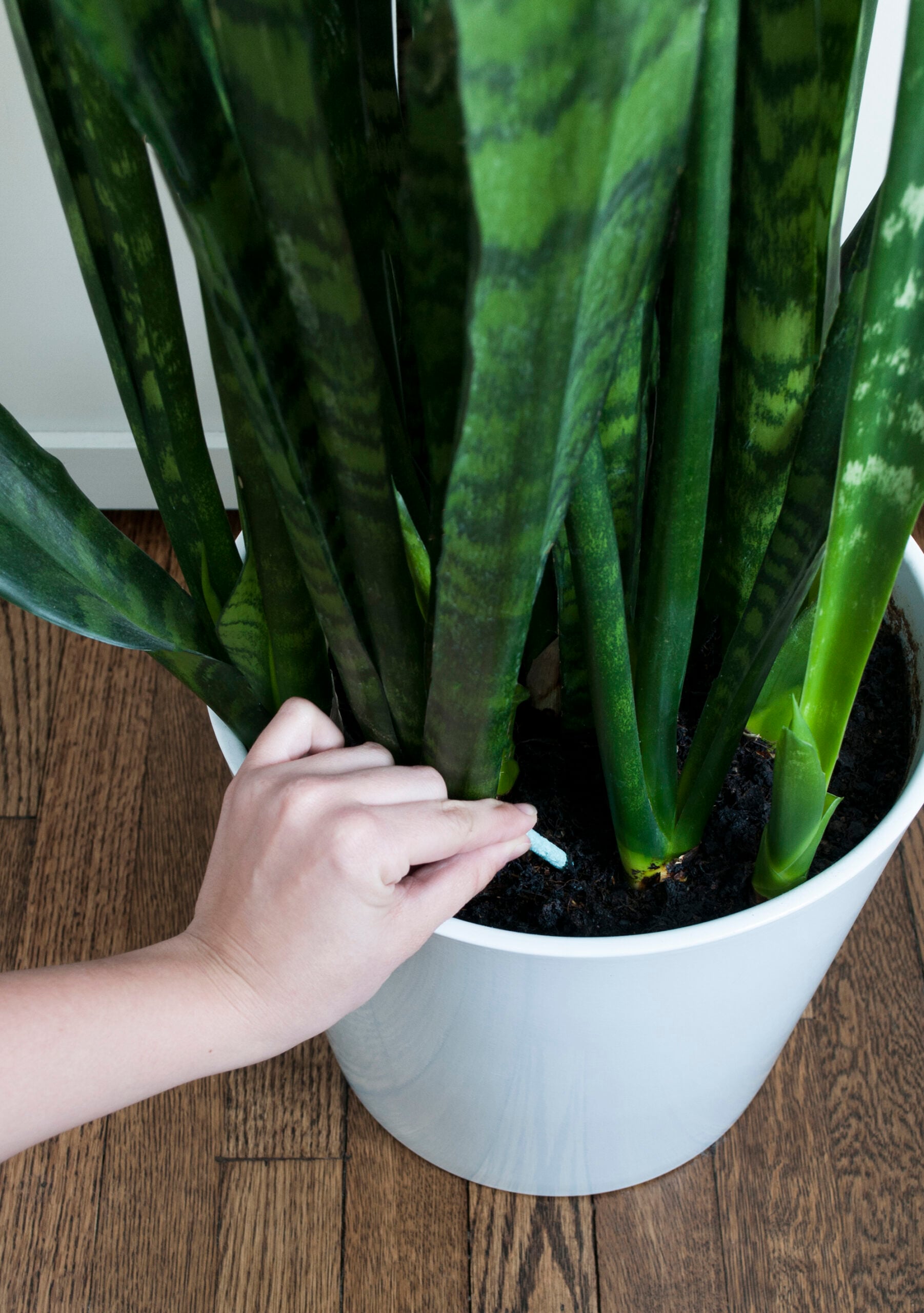
If I had to crown a winner for the easiest indoor plant for low light, this would be it. Snake plants tolerate low light, irregular watering, temperature fluctuations, and general neglect. I love placing a tall snake plant in a simple ceramic planter to balance a console or anchor an empty corner. Water sparingly and add a fertilizer stick once or twice a year, and you’re golden. Overwatering is the only real way to kill this one, according to my local experts!
Zamioculcas (Zz Plant)
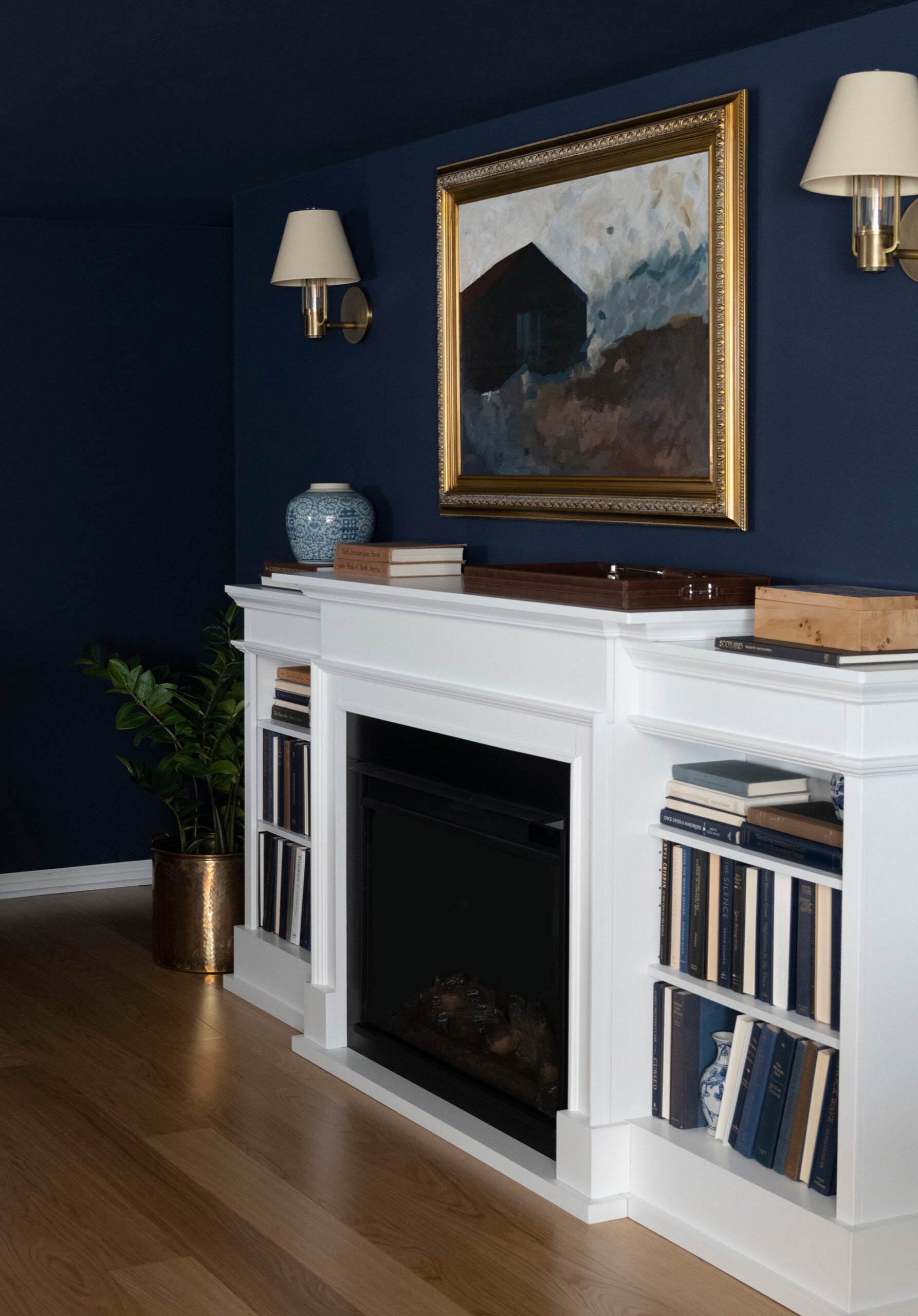
The ZZ plant is almost suspiciously resilient. It thrives in low light and handles inconsistent watering. The glossy, dark green leaves reflect light, which makes a dim room feel a little brighter. I use ZZ plants when I want something structured but softer than a snake plant. I even have one in my basement, that is doing great. I use it to balance our fireplace built-in. If you travel or forget to water your plants, this one is forgiving.
Aspidistra
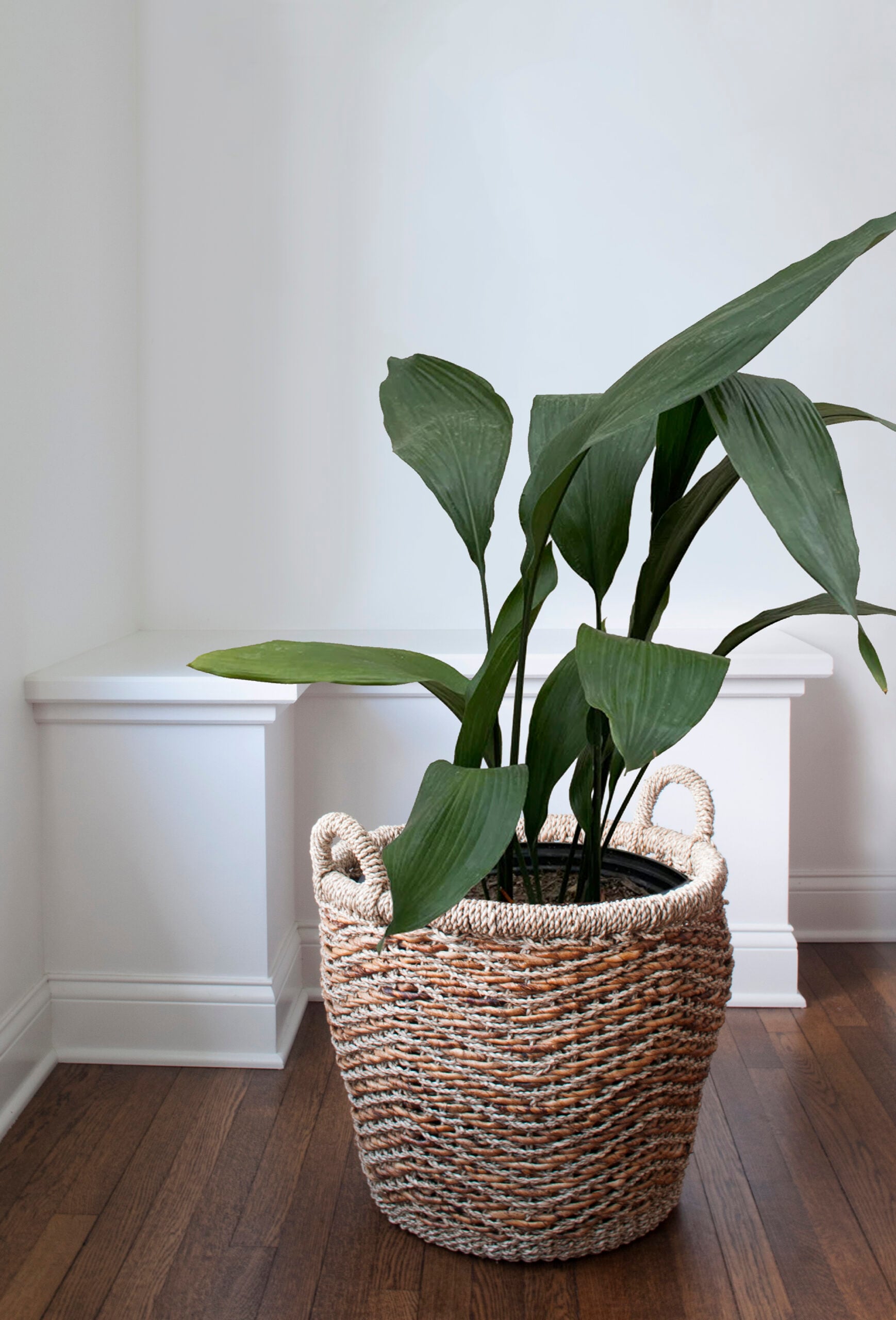
This one is often referred to as the cast iron plant, and it’s known for surviving in low light and less than ideal conditions. They have deep green, slightly arching leaves that feel traditional and timeless. They look right at home next to antique wood furniture or layered textiles. If you have a room that feels impossible for plants, this one is worth trying.
Philodendron
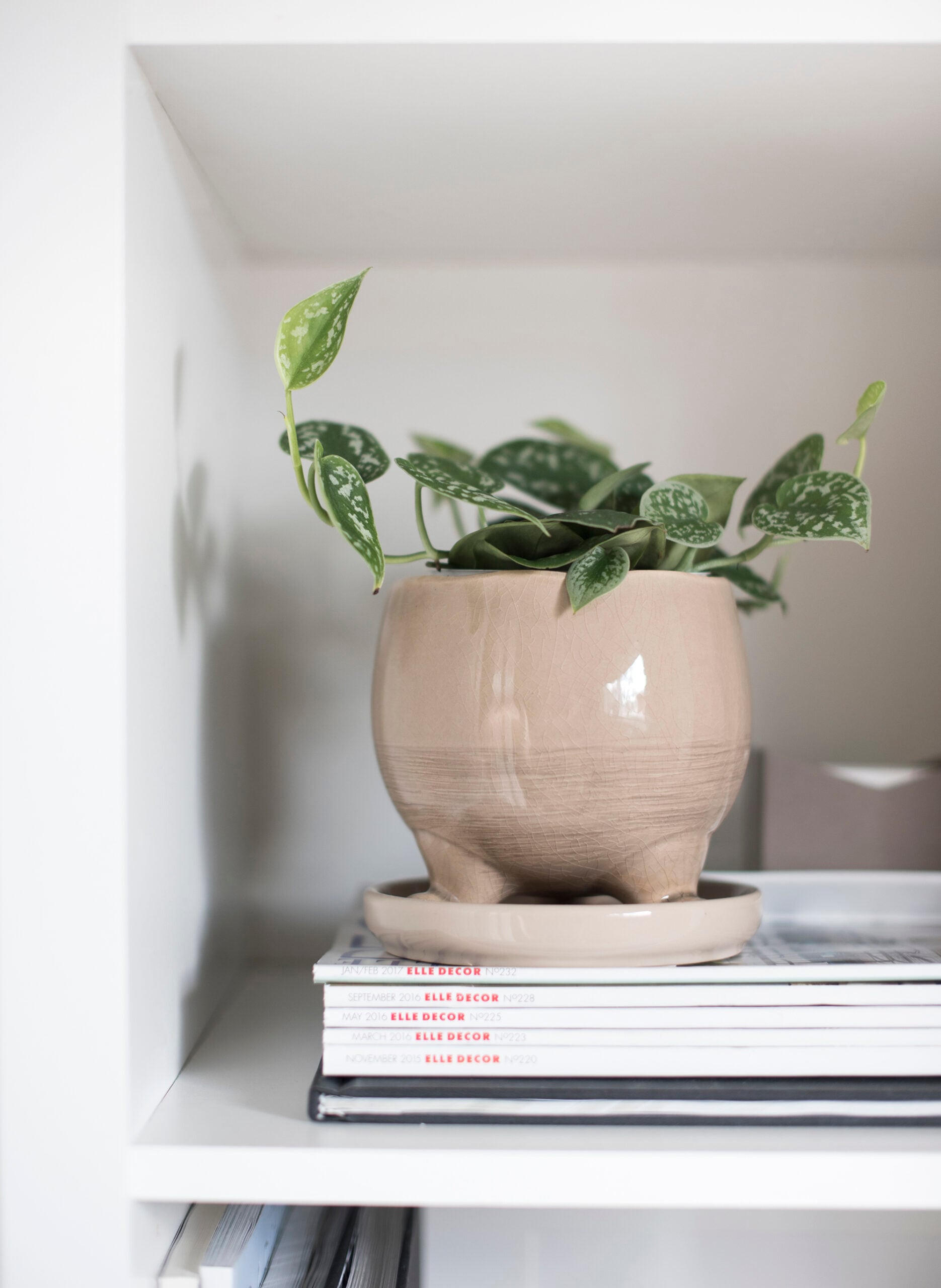
Philodendrons are one of those low light indoor plants that make you feel like you know what you’re doing. They tolerate low to medium indirect light and adapt easily to different rooms, which makes them versatile. I like how they trail beautifully from shelves or built ins, softening hard lines and adding that layered, collected look I love. In darker spaces, the leaves may grow a bit slower, but they remain glossy and full with minimal effort. Let the soil dry slightly between waterings and avoid overdoing it.
The Best Low Light Tree for Indoors: Dracaena
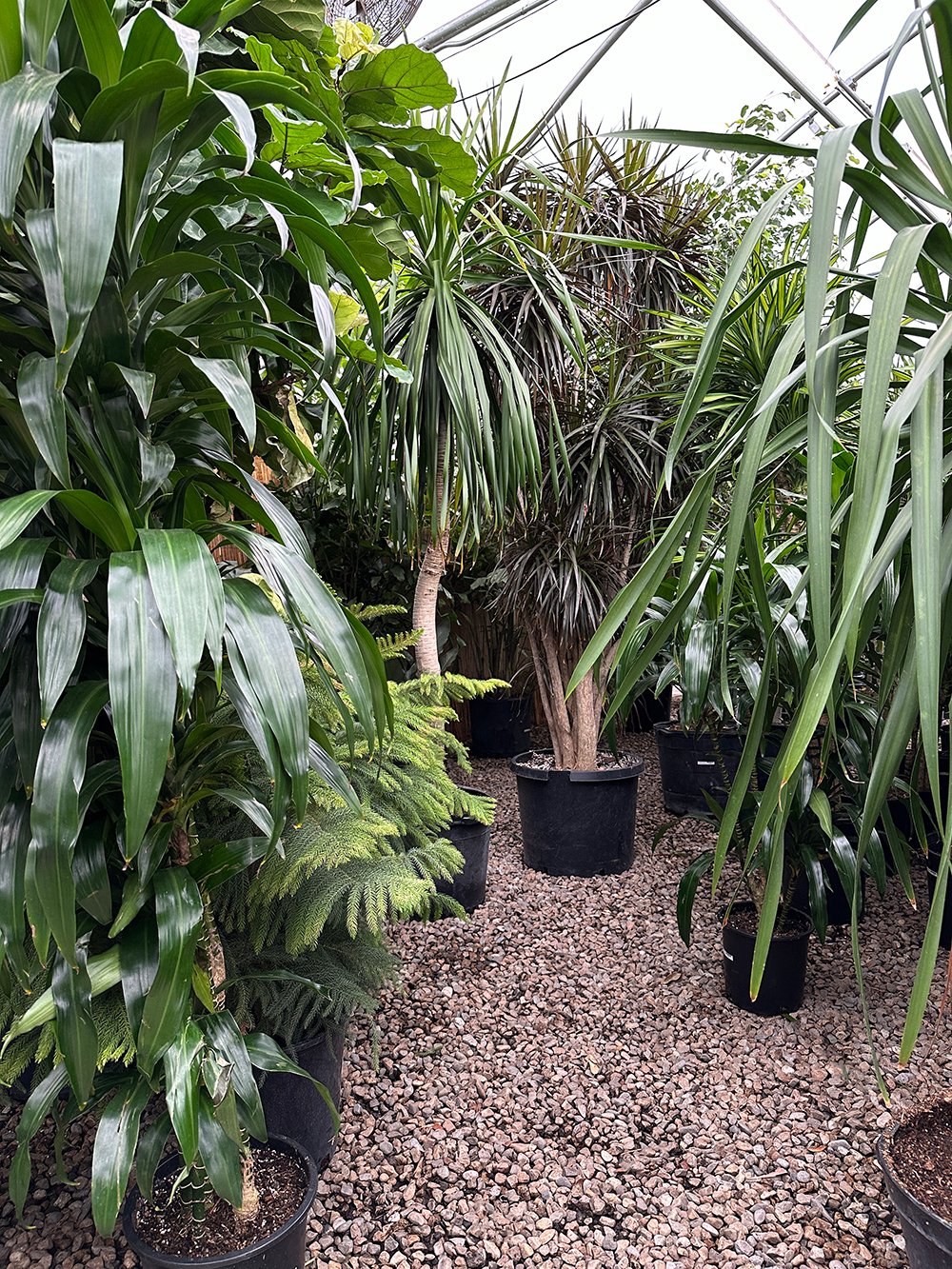
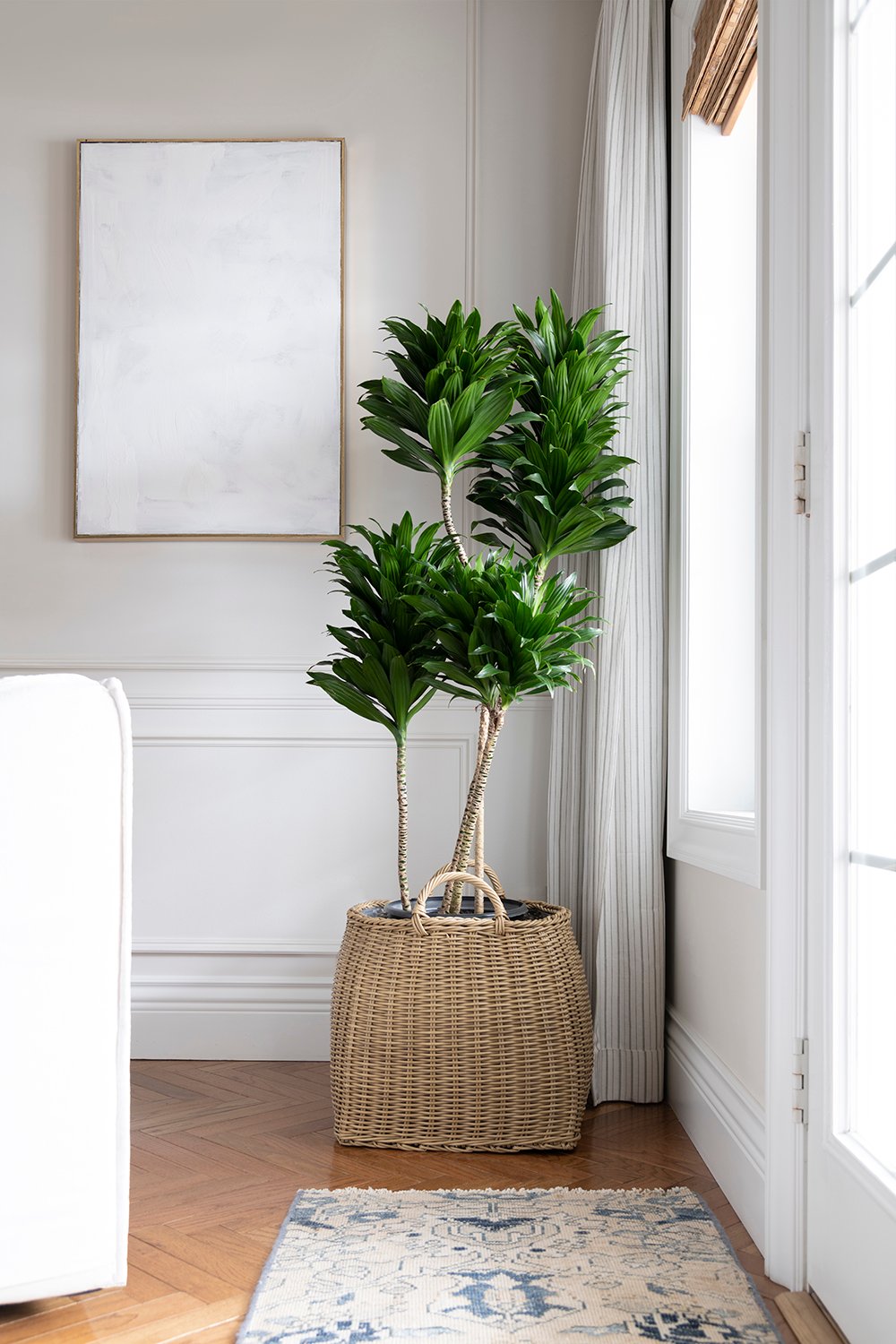
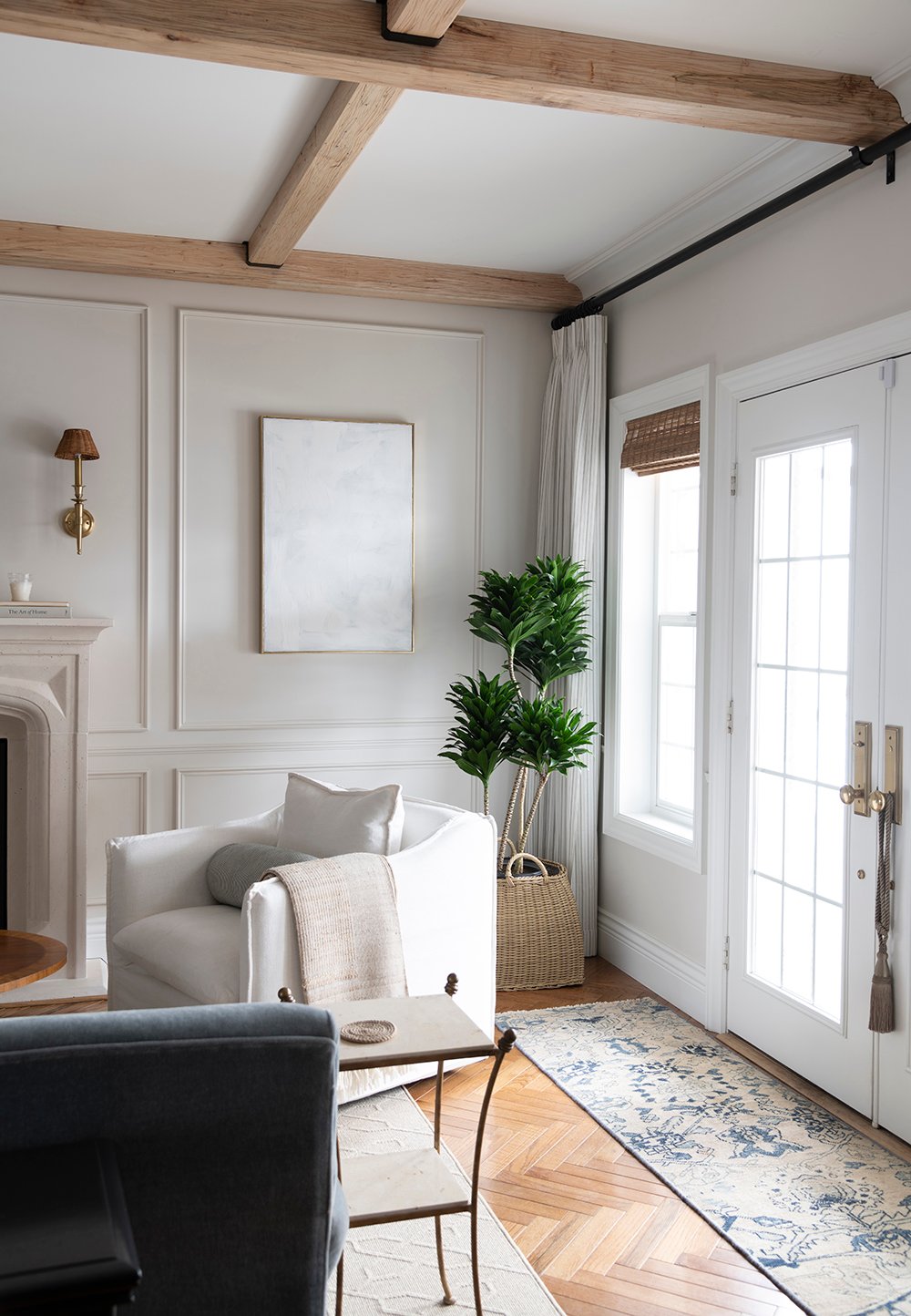
I went into the green house looking for something specific: a tree to keep in the corner of our living room. I wanted it to look organic or textural, add height, have air purification benefits, and have a sculptural aesthetic. I’ll admit, I picked out six or seven beautiful trees that better fit my aesthetic, all with a resounding, “That one is not going to work!” from the garden expert, before I finally landed on a dracaena. At the end of the day, I’d rather have a happy houseplant because I’ve made the mistake of purchasing solely based on aesthetic, only for the plant to die- resulting in time & money wasted and a deflated ego.
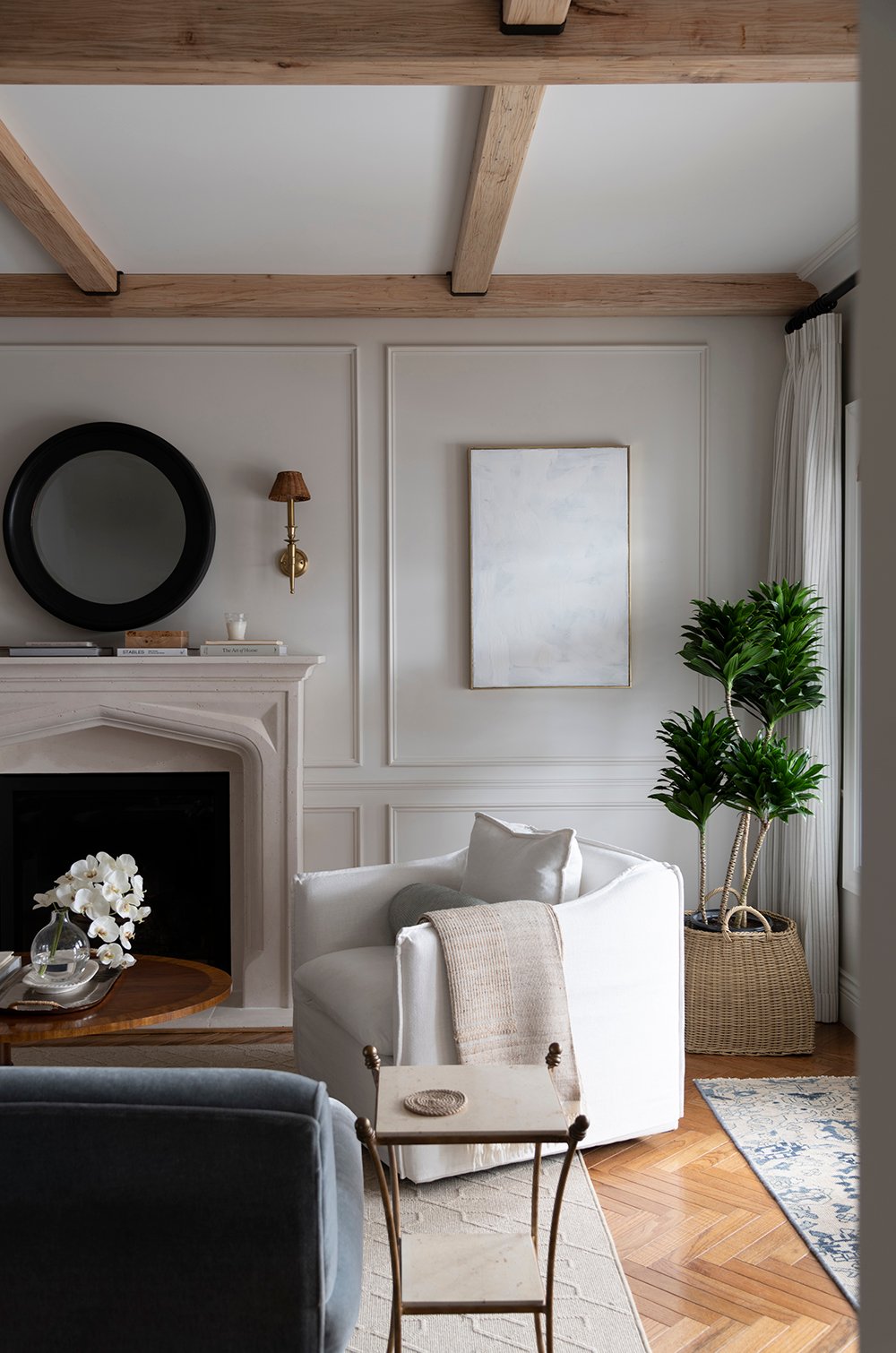
The dracaena really does look nice in our living room and it seems happy in the corner. Our bedroom balcony patio roof extends and covers the french doors and windows, meaning this area gets less light than you’d expect from a south-facing window. I’ve had the tree for two years now, and it has sprouted multiple leaves and grown about a foot. It seems to be thriving, and I’m feeling confident with this one!
How to Keep Low Light Plants Healthy
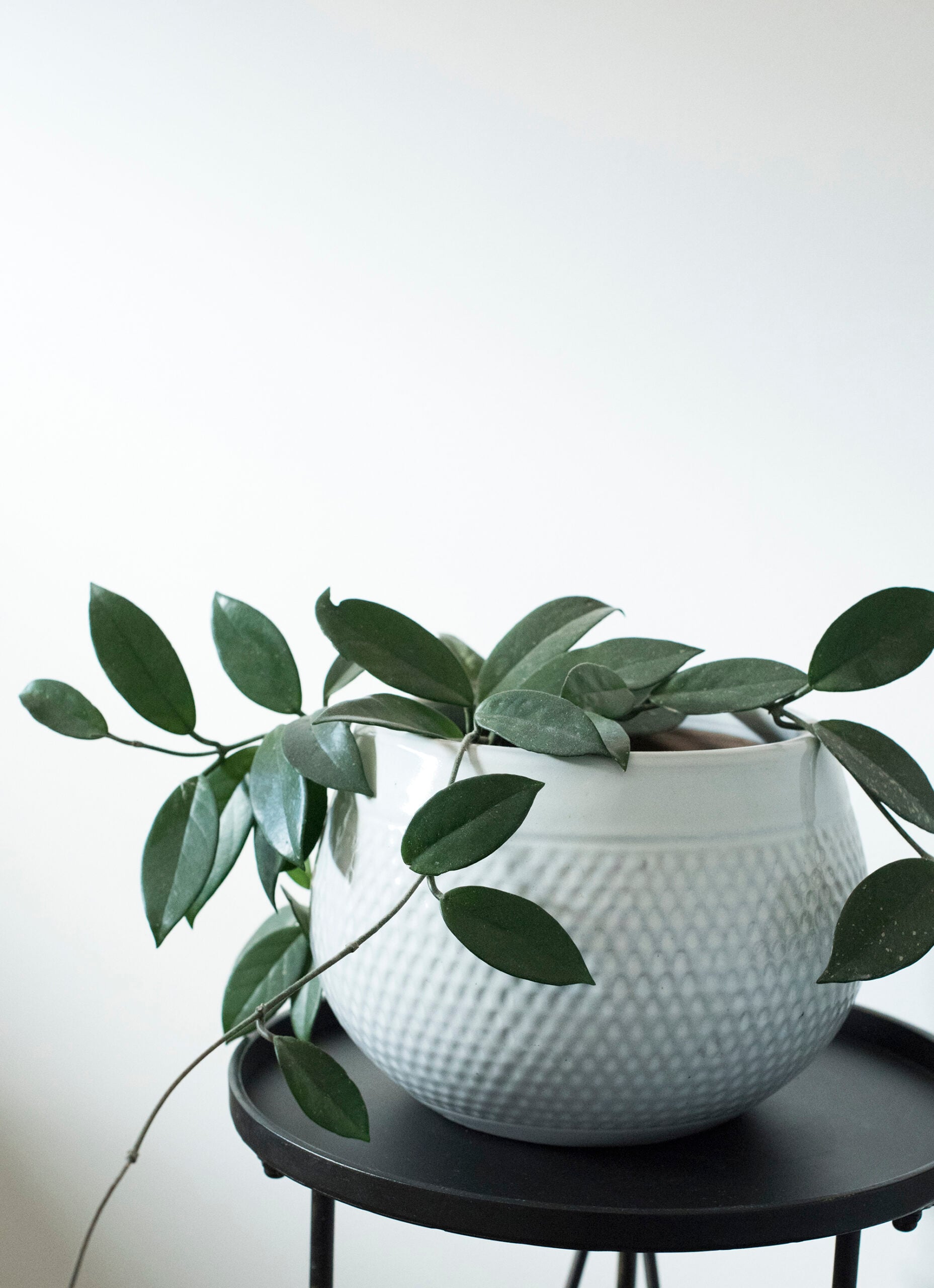
Low light plants still need care. Most low light indoor plants prefer to dry out slightly between waterings. Overwatering is far more common than underwatering. Check the soil with your finger before watering. If it feels damp an inch below the surface, wait. Rotate plants occasionally so they grow evenly. Wipe dust from leaves so they can absorb light more efficiently. If growth slows significantly or leaves yellow, reassess the light. Just remember- low light is fine…. no light is not.
Planter & Basket Favorites
Click directly on each item below to be redirected.

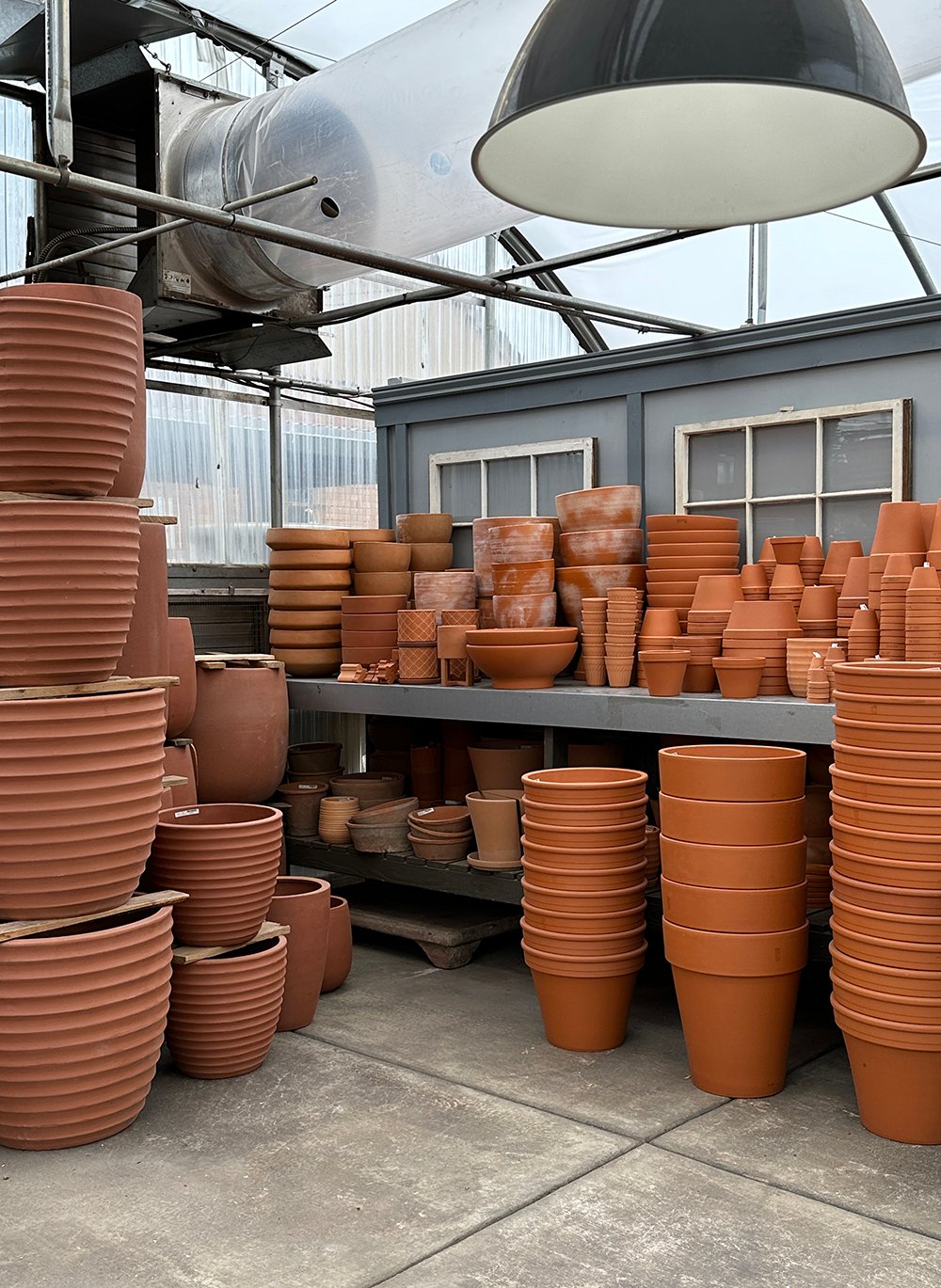
I also wanted to share some of my top picks for larger planters and planter baskets this spring! I’ve started to dig mine out of our cute shed for the season ahead.
FAQ
It’s actually been easy… and I’m going on 2 years of keeping it alive and thriving. I’m basically ignoring it most of the time, watering it once it has completely dried out (I’m told overwatering is the demise of this plant), and I’m making sure it stays in the indirect sunlight from the living room window.
Most indoor plants cannot survive long term in a room with no natural light. You will need a grow light if there are no windows.
I’m not saying they’re wrong… but I’ve tried other plants that were labeled as “low light” only to watch each look unhappy and die. This time around, I’m choosing to trust my local experts- who debunked many of those articles. I also think it’s situational. How low is your low light? A basement? A shady corner? Some rooms simply won’t support live plants.
An olive or ficus variety- I like the delicate, wispy textures! I also enjoy indoor maples, gingkoes, and palms. The lack of humidity here is also really limiting for me.
Yes. Growth is typically slower in low light conditions. That is normal and does not mean the plant is unhealthy.
Related
Looking for more plants & gardening posts? I’ll link some fan favorites for you below… tis the season to get your hands dirty and plant!
- Tips for Growing and Caring for Boxwoods
- Gardening with the Phases of the Moon: Lunar Planting Guide
- DIY Herb Garden
- My Go-To Spring Gardening Essentials from Lowe’s
- Tips for Styling Convincing Faux Outdoor Plants
- How to Repot a Fiddle Leaf Fig Tree
- Our Lawn Care & Landscaping Routine
- How to Install Window Flower Boxes
- Tips for Healthy Houseplants
- Classic Planters for Every Aesthetic and Budget
I think the moral of my plant story is this… don’t believe everything you read on the internet (obviously), and don’t try to force something into your home if it’s not the best fit. Having low light does not mean you have to sacrifice having plants. A thriving plant in the right spot does more for a room than almost any accessory. Once you find the few that work in your home, you’ll wonder why you ever thought you had a black thumb. My dracaena has thrived these past couple years, but it took some trial and error to find the right one. Do you have any houseplants? Indoor trees? Do you feel like you have a green thumb? Is there a certain plant that you’ve yet to conquer?
Oh wow! Thanks for the heads up! I’ve struggled to keep plants alive because of low light (plus no attention, because life is demanding). That’s so interesting that so many of the recommendations are wrong, I really appreciate you sharing the ones that actually grow! Hopefully I can still keep my zz plant alive, half of it gave up last month 🙈
Happy to share! I hope this one survives much longer than our previous plants. Ha! Also crossing my fingers for your zz plant, Amanda!
Good morning! Despite a wicked thunderstorm and two separate hailstorms, we enjoyed a beverage in the sun yesterday evening. Ha. Spring is wild, but at least we didn’t get your snow. I’ve definitely got plants on the brain, but I primarily stick to outside growing. I have two main problems with houseplants, but low light isn’t one of them. Our dining room has six large south and east-facing windows. It’s practically a greenhouse! I’m just the most inconsistent waterer. Ridiculous, right? I usually forget about plants until they’re drooping with thirst. Alternatively, I drown them with affection. Not great. My greatest concern though is my cat. She chomps on anything green I bring into the house…even bouquets! So many common houseplants are toxic. An employee at my local nursery assured me that a plant I admired “only” caused minor mouth burning, drooling, and vomiting. Um, no. Unfortunately, even animal-safe specimens aren’t safe in my house. I nurtured a beautiful spider plant which Sunday (the cat) systematically, and gleefully, shredded. I’ve had moderate success with poke-y varieties and one perch that’s mostly out of her reach. Honestly though, my money is better spent on perennials for the garden. I’m not mad about it. But I do admire your dracaena! It looks very happy, and I see definite sculptural potential in those trunks. Cheers to growing all the things! And here’s hoping March gets the “out like a lamb” memo. Happy Monday, Sarah!💜☘️
Hi Peggi! Wild weekend weather, indeed! We had some hail as well, and it’s still snowing here… off and on all day. Spring really is wild. You never know what you’re going to get! I envy your super bright, flooded with natural light dining room. I wish we had a space like that. Great point on houseplants and pets- it’s always best to look out for our furry family members! The tree we landed on is actually toxic to dogs (a discussion we definitely had), so we’re keeping a close eye on it. Cash & Cros have luckily never bothered our plants though, so we don’t see it being an issue. I’m actually with you on the garden perennials- money well spent! Hope your week is off to a good start :)
Ahhhh, the indoor plant debacle. Nothing will make a good gardener loose confidence like killing an indoor plant. Good morning Sarah! I share in your defeat, as I’ve killed a number of indoor plants myself. I do have a few that seem well suited for their particular rooms: a snake plant on Jeff’s nightstand, a Bromeliad on my nightstand, and a pathos in the kitchen. There have been many that came and went in the process. I second the opinions of your local garden center. It took me awhile to come to terms with that, but now that I have, I’ve learned to be more selective with what comes into the house. I’m still nursing a monstera that I adore, holding out hope that I can keep it going, but sadly I think this one will see its demise as well. I share in your conundrum of desiring plants that are closer to my aesthetic, but turns out, I only like plants that won’t like my home. I’m crossing my fingers for you that your new tree will grow on you! Thanks for sharing your info- supremely helpful for those of us who desire flora and fauna indoors as well as out! Cheers to the start of a new week!
My thoughts exactly, Lauren! It was definitely something I had to come to terms with. Some things just won’t grow in our house. I hope your monstera comes out of it! I’m with you on liking the plants that don’t like my home, ha. It’s a bummer, but better to be selective and save money than waste it and feel defeated, I guess. Oof. I like our new tree and I hope I can keep it alive for many years to come! I’d like to see how it does in our entryway, if it gets too tall for our living room. Who knows- that’s probably being super optimistic. lol! Hope your week is off to a good start! xo
I love your plant, and it looks very at home in your living room. It reminds me a little of Dr. Seuss with the shape :) I’ve experienced your same problems with indoor plants, and have largely given up. I much prefer gardening outside anyway, so I’m okay with that. There are a lot of people putting things online that are not always good advice, so you were right to ask someone with a lot more experience. I’m a part of the extension master gardeners in my county and a good tip I learned is when you’re searching for things online that are horticulture related add ‘extension’ to your search. Ex: how to plant blueberries extension. You will get results from various horticulture extension programs. It’s useful because it’s researched-based and from experts. One other helpful tip I’ve learned is the principle of “Right plant, right place”. Think about a plant’s native home and the conditions it grows in in the wild. Soil type, moisture, amount of sunlight, for example. Also, does that plant grow in the understory of other trees where maybe it gets dappled light and less rain, or in forest edges that get more sun? You can also work in reverse order and consider what your space offers and find a plant that fits those growing conditions. The same can be applied to indoor conditions. I think this is what we’ve all learned the hard way when our plants die or become sickly-without realizing it we are trying to force plants into conditions they don’t like. As I’ve been overhauling our landscaping with native plants it’s what I keep asking myself “What plant would like to grow here in these conditions?” If I plant accordingly, I’ve got much better chance of that plant thriving with little input from me. Those couple of tips were total game-changers for me so I hope they help your readers too!
Thanks, Brittany! I like the weird shape and hope as it grows, it will become more curvy and odd. Ha! Thank you so much for sharing your extension master gardener information- those tips are super helpful. I had no idea! Hope you have a sunny weekend ahead :)
Don’t forget, many plants do well under table or floor lamps. Phalaenopsis (moth orchid) is a very good example. It will even bloom under indoor lights.
Excellent point, Janna! Thanks for sharing
Thank you, hugely helpful. Will start with your recommendation first, no point wasting time, money & poor plants.
So glad to hear this post was helpful, Anna!
What is the paint color on your walls around the window and doors?!
Hi Jon! My paint color is Aesthetic White (walls) and Extra White (trim and doors) from Sherwin-Williams.
What type of Dracaena did you choose?
Best plant I’ve ever had in low light was a bamboo palm. They are hard to find but they last forever in low light.
Thanks for the tip, Viola! I love a pretty palm.
What type of Dracaena did you choose?
Hi there! I have 10 indoor plants they all getting sick because they don’t like be in low light room. I have take all outside can be thrive warmer weather.
Some are got throw away. I am looking for which will like be in low light. During winter my husband turn down heat 61° we usually turn on heat 68° and during spring and summer time
We closed Curtian during day. We turn on ac like 71° and was afraid of any all plants not like low light or temp in house. I put all in hobby room. My husband and mother in law offer me get a fake plants. That is really upsetting me because I want smell plants. They said it is not healthy. His family are not plants lover. I guess have to throw away all. Guess living with fake plants. I love smell dirts and plants. It help my sinus and my husband is smoker marijuana. I don’t smoke. I want find something that can grow in low light.
I wish could show picture what is look like.