
10 Decorating Mistakes Designers Never Make
I’ve been designing interiors for almost two decades now, and there are a handful of common mistakes I often see homeowners making. If you’ve ever looked at a vignette in your home and thought, “Why does this feel off?” you’re not alone. Unless you’re designing professionally, you wouldn’t necessarily know some of these styling rules. Today, I’m breaking down the decorating mistakes designers never make, and what we do instead to make a room feel tailored, layered, curated, intentional, and well designed. These concepts that feel second nature to designers should be known by all! Let’s get into it…

1. They Don’t Solely Rely On Overhead Lighting
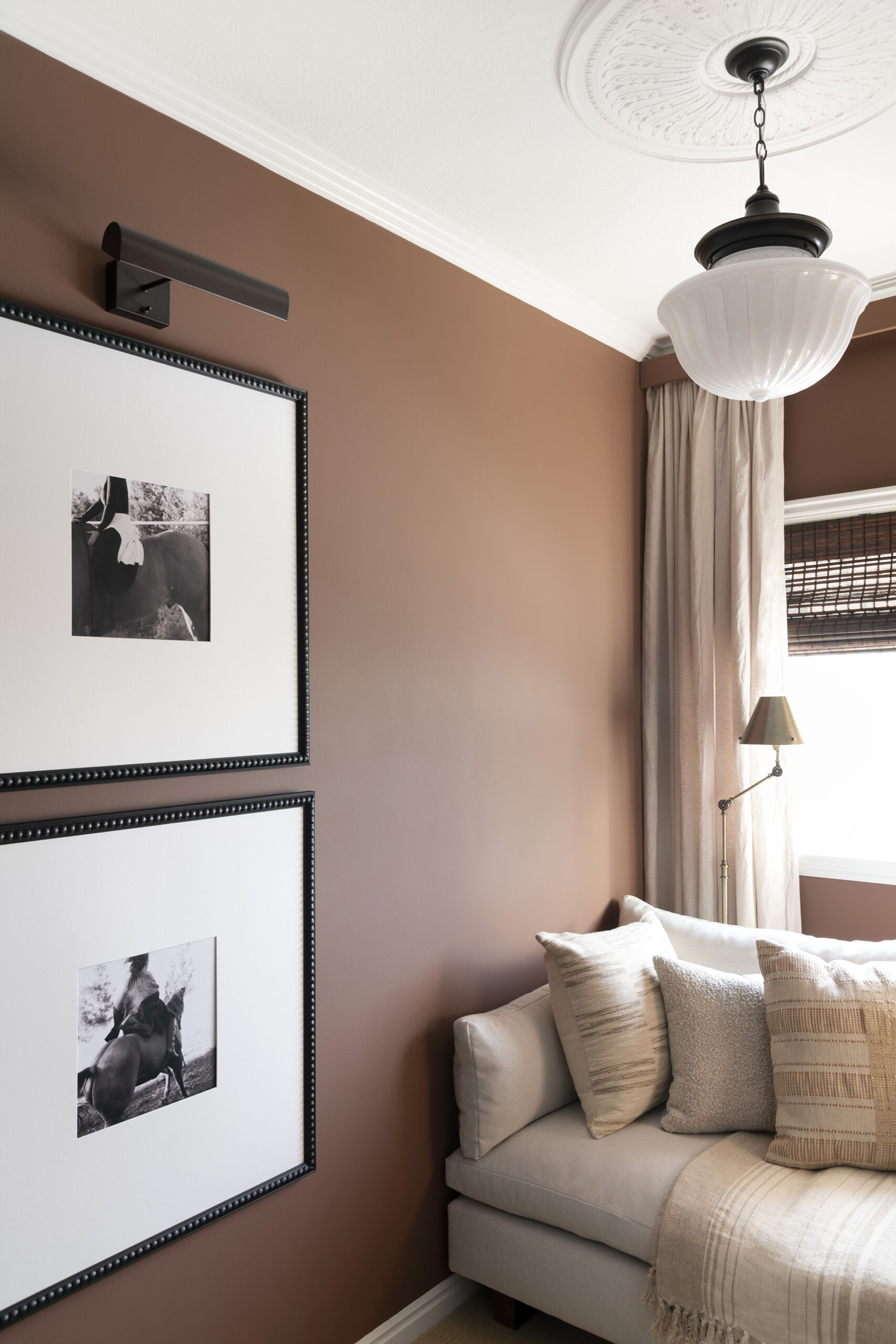
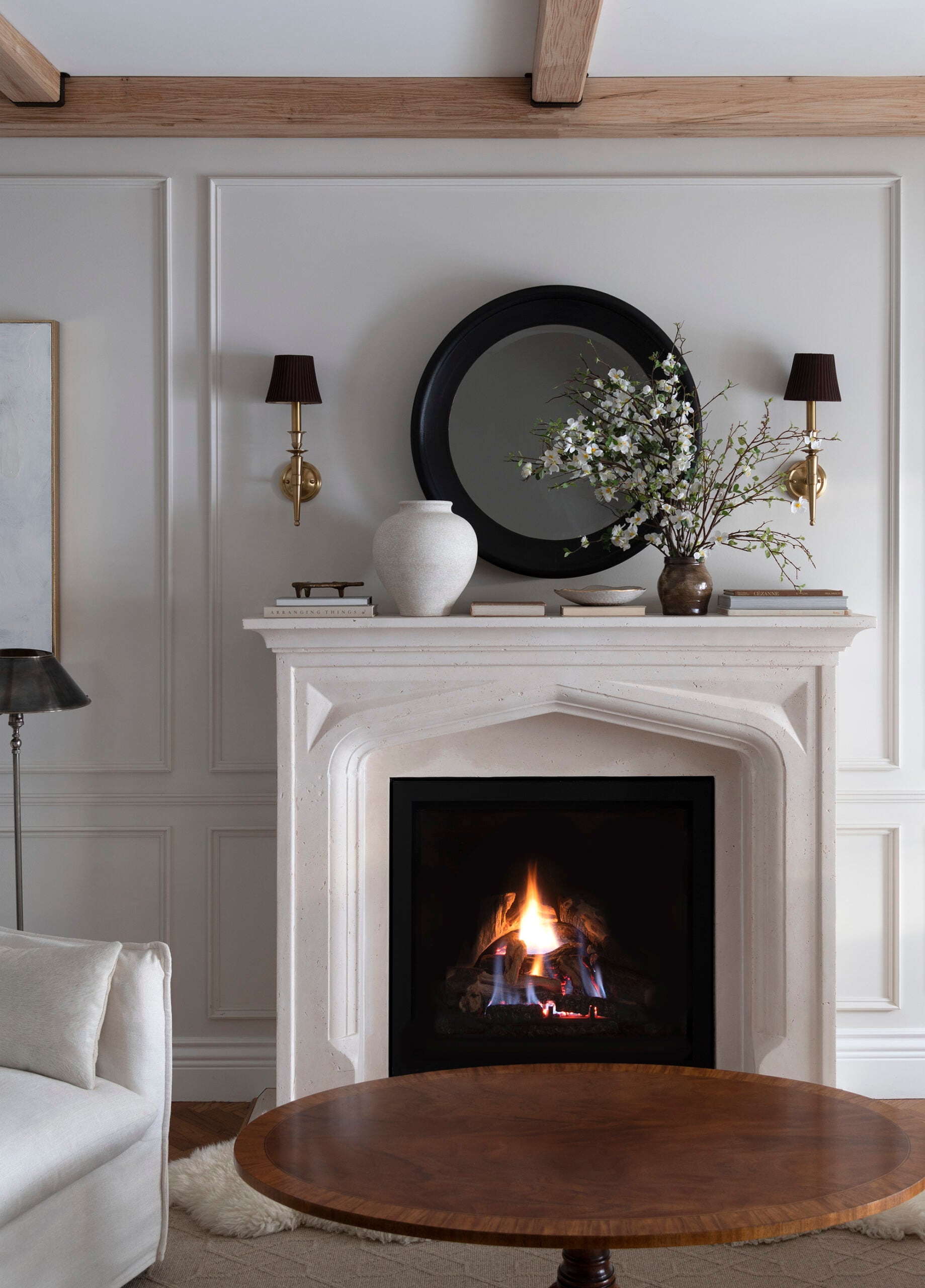
Overhead lighting is necessary, but designers never treat it like the only light source in a room. If a space is lit only from the ceiling, it usually feels harsh and falls a flat. No matter how pretty the decor or how well designed the room is, you need multiple fixture types. The fix is simple… here’s how to layer lighting light a designer. Add a table lamp, a floor lamp, or sconces so the room has light at different heights. It instantly feels warmer, more finished, and so much more inviting at night. Be sure to use warm bulbs as well!
2. They Don’t Hang Artwork Too High
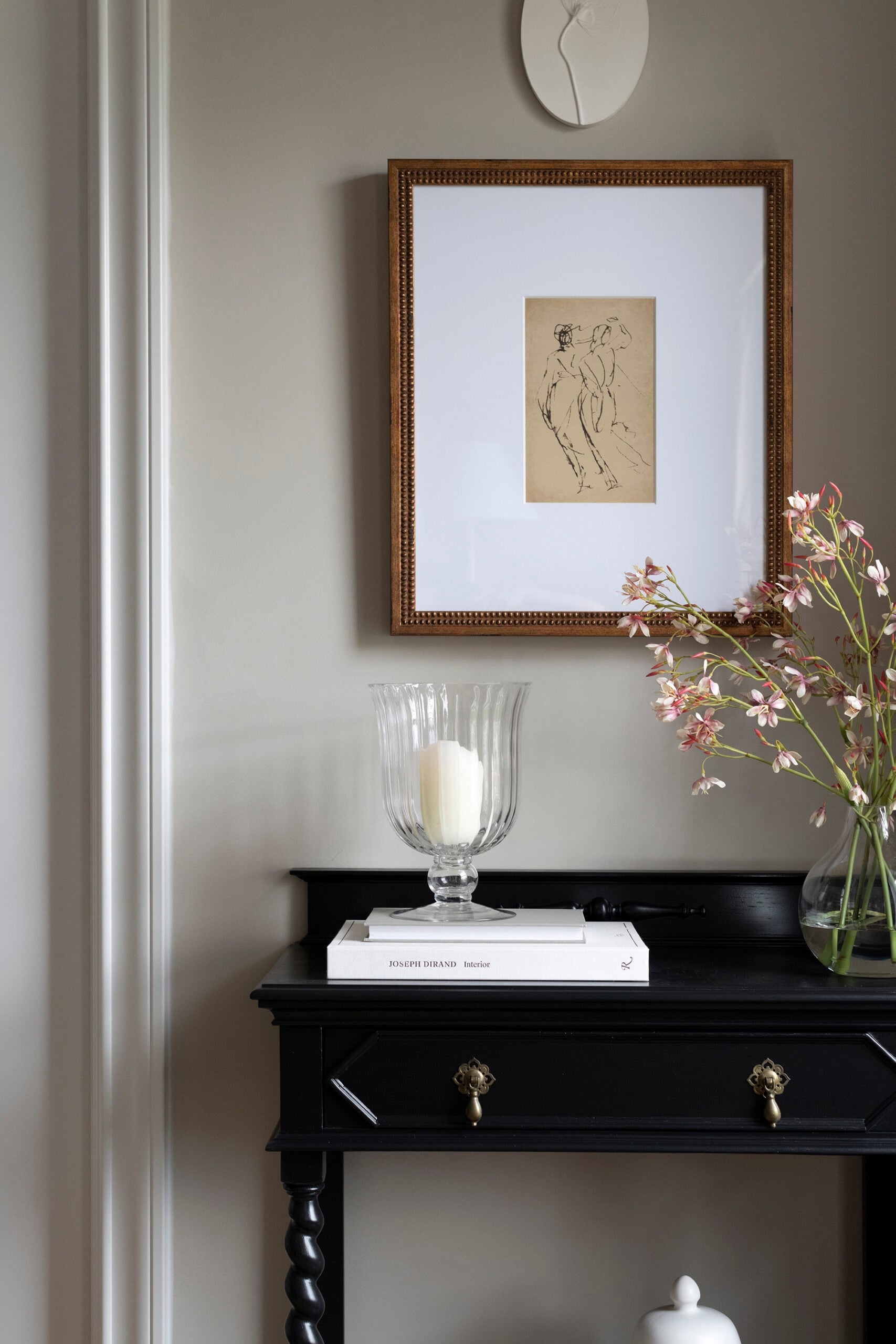
I know this one is everywhere, but it’s still one of the most common decorating mistakes designers see people making, and it throws off the entire room. Artwork should connect to the furniture underneath it. If it’s floating too high on the wall, it makes the room feel disjointed. A quick trick I use all the time is to step back and look at your furniture and art as one unit. The goal is for it to feel like it belongs together, apart of the same vignette… not like the art was added as an afterthought. If you’re unsure, go lower than you think. It almost always looks better. It should also be eye level or lower for easy viewing height.
3. They Don’t Stick to One Metal Finish
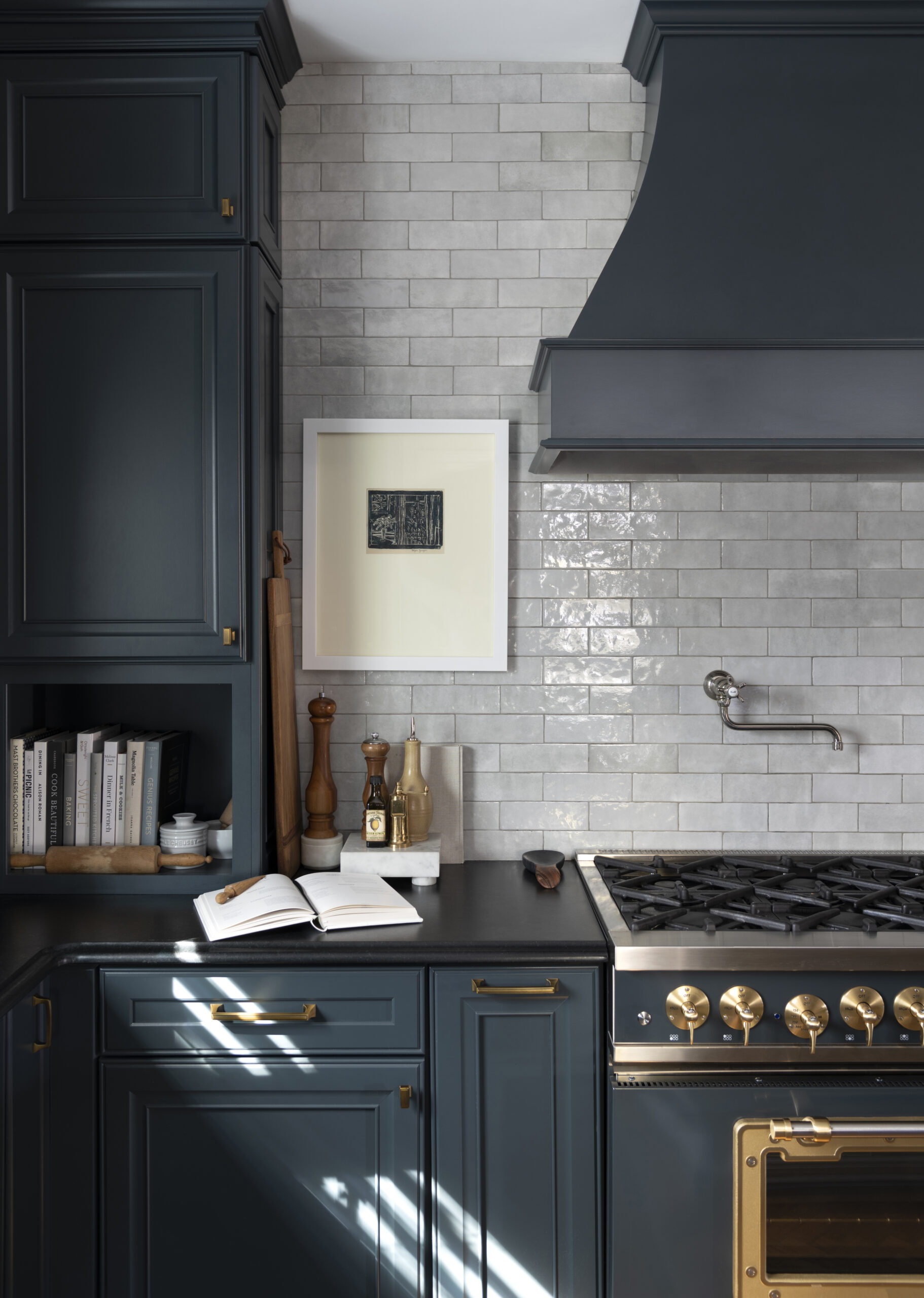
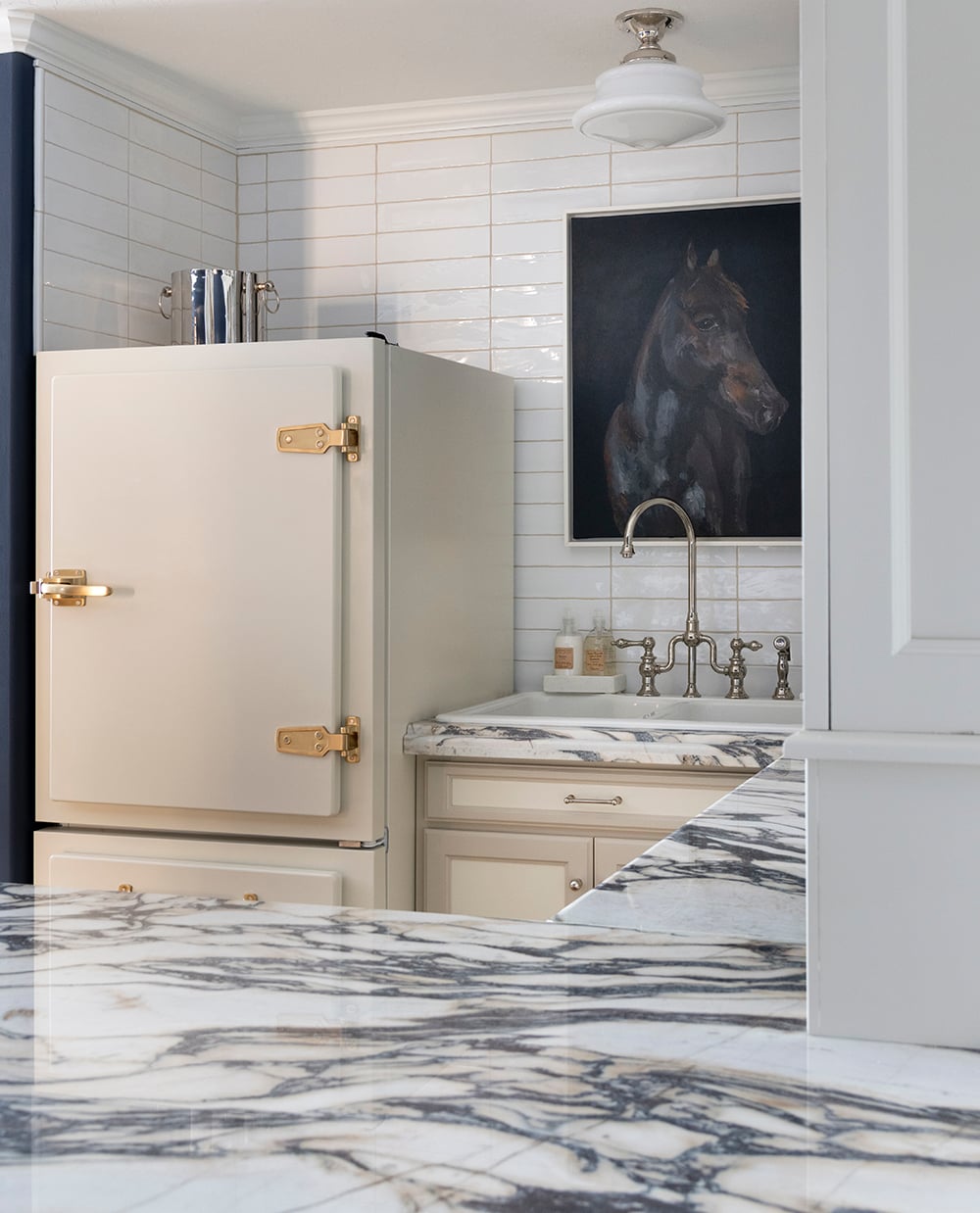
This is where a room can go from amateur to designer pretty quick. When every single finish is matched, it feels too calculated and flat. Designers mix metals to add depth and dimension, especially in classic spaces. You can absolutely keep things cohesive without looking chaotic or too eclectic. I usually prefer two dominant finishes, then add a third finish that shows up in a few supporting fixtures. It feels intentional, but not overly coordinated. This is especially perfect for kitchens and bathrooms where you’ve got multiple opportunities to add personality. Check out my designer guide to mixing metals by room!
4. They Don’t Hang Curtains at the Wrong Height
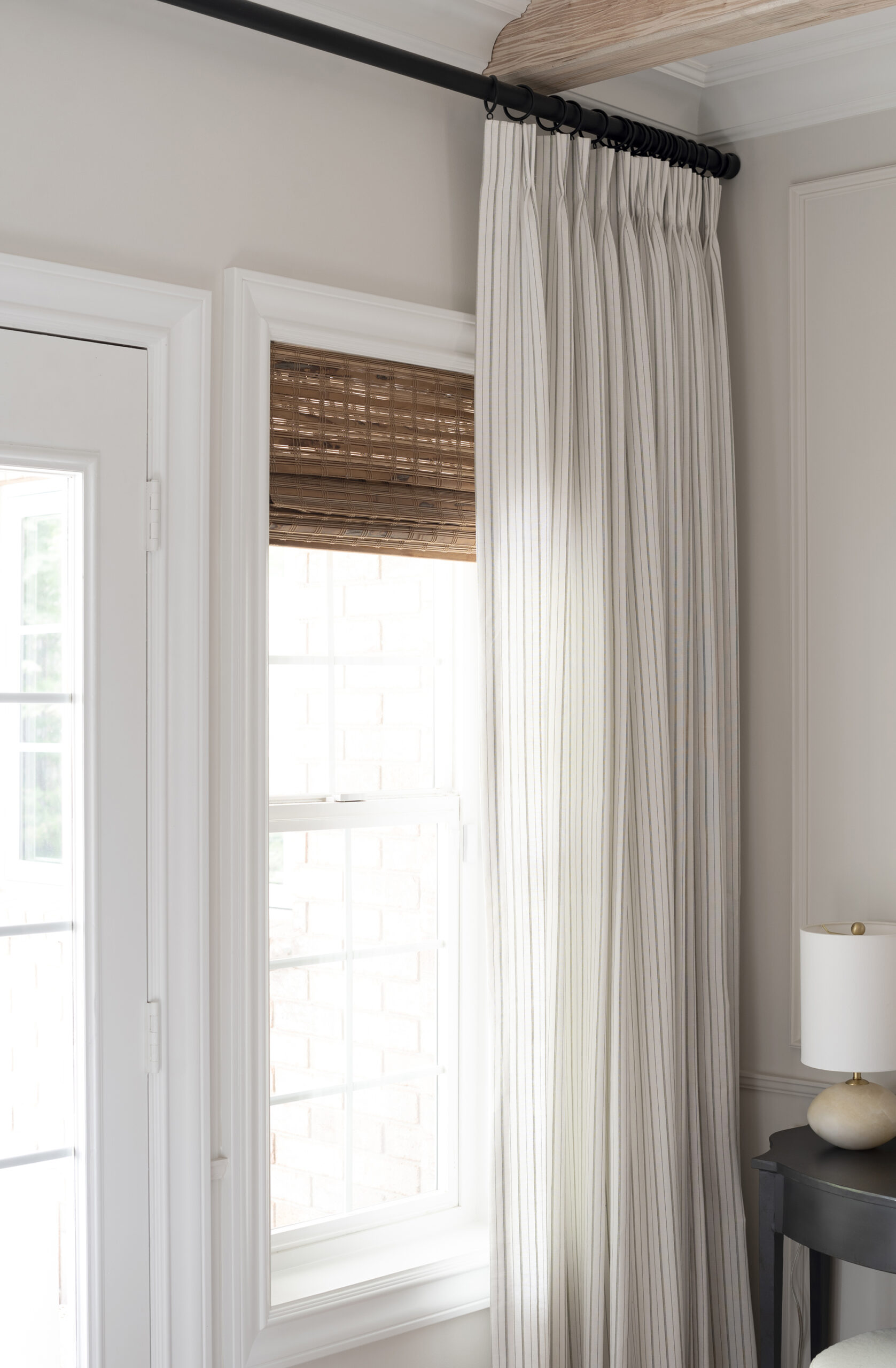
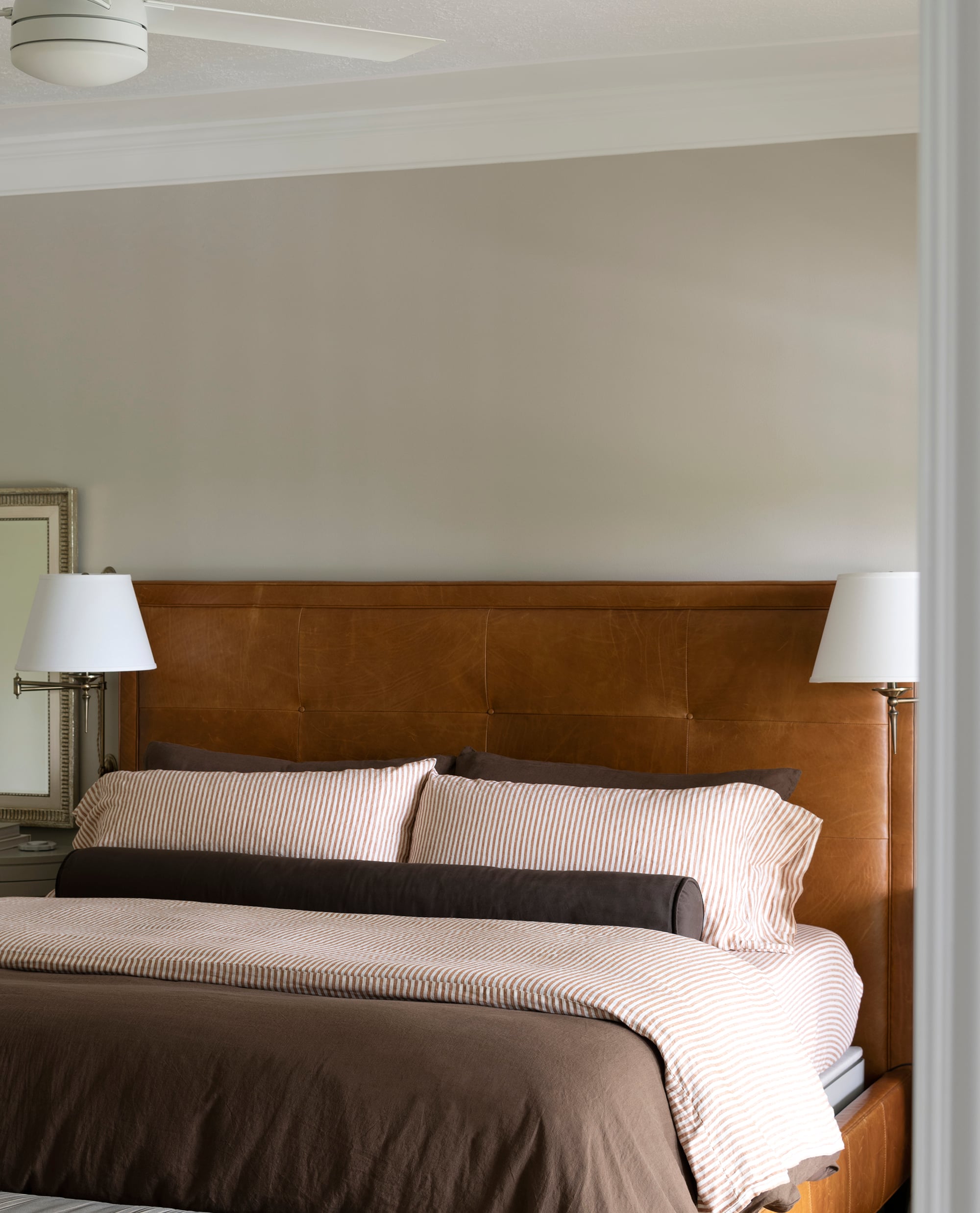
Curtains are one of the fastest ways to make a home feel custom, but only if they’re installed properly. When curtain rods are placed too low or panels are too short, it instantly makes the ceiling feel lower and the window feel smaller. Designers almost always hang curtain rods higher and wider than expected, and we make sure the curtains actually have some presence. Bonus points, if you opt for tailored or layered window treatments. This is one of those upgrades that makes a room feel elevated without spending a fortune. Check out this post for the best budget curtains that look custom… along with how to train readymade curtains!
5. They Don’t Choose Paint Color First
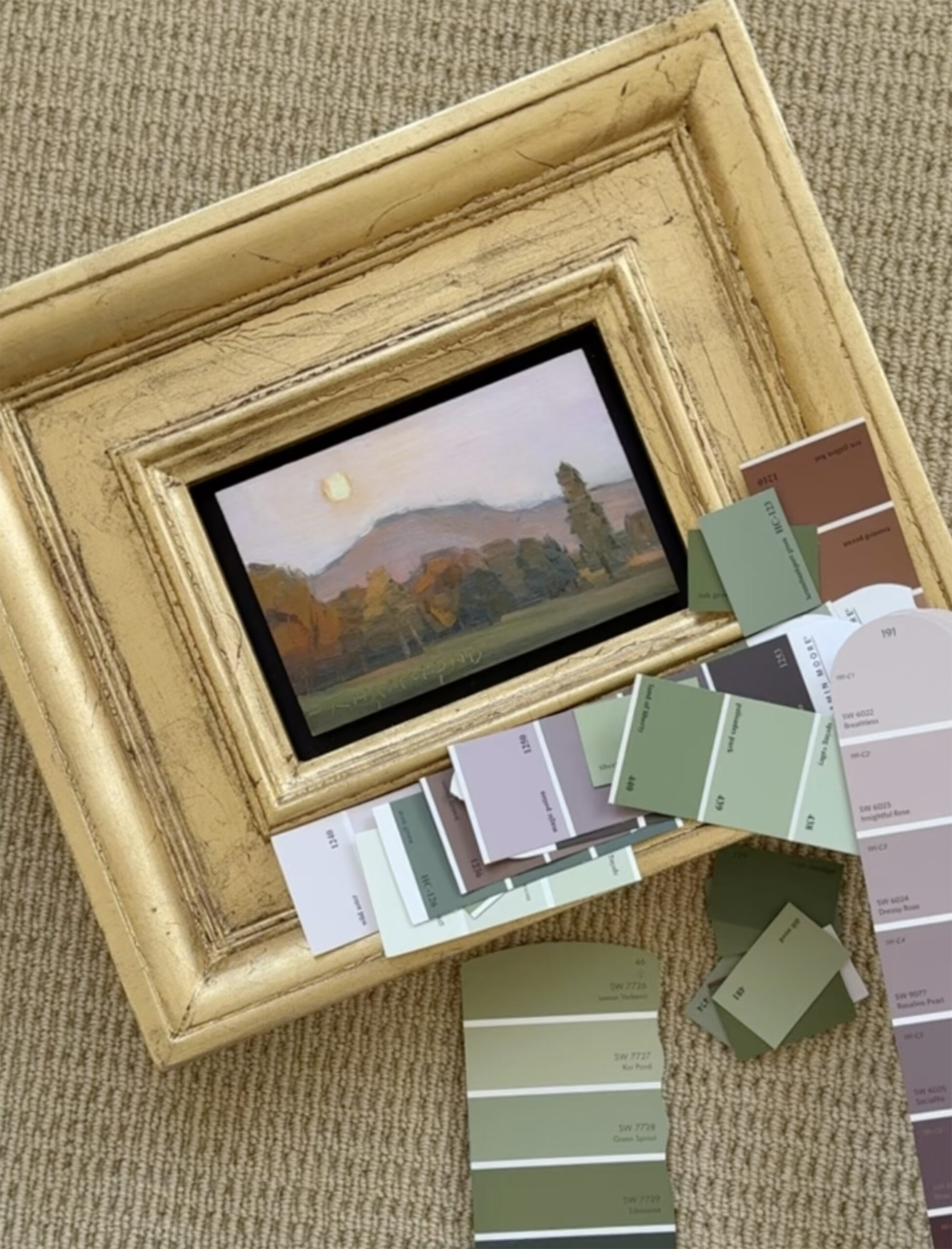
This one is a big deal, and it’s a mistake 90% of people make- so no judgment. Paint feels like the obvious first step because it’s exciting and it changes the entire room. However, designers usually choose paint later, because the color should work with everything else. The pieces that are harder to change should come first. Think rugs, upholstery, tile, countertops, wood tones, and existing finishes. Once those choices are in place, paint becomes the perfect final layer. Not the starting line. I like to choose something specific from the design plan (like artwork or a rug) and let that guide my color palette for a room.
6. They Don’t Push All Furniture Against the Walls
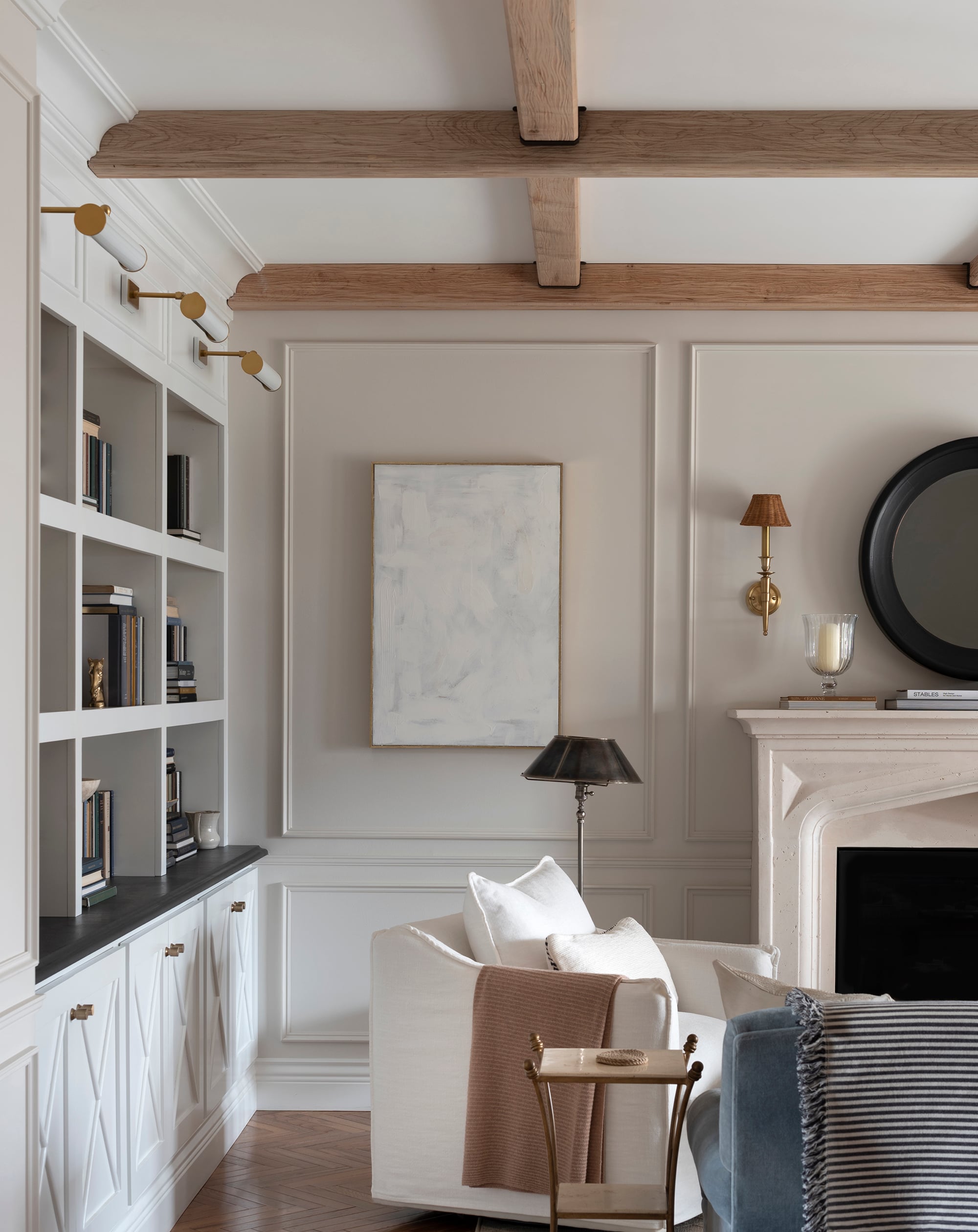
I completely get the instinct to do this… you want the room to feel open, or maybe you’re working with a smaller room. However, pushing everything to the perimeter usually makes a room feel less designed. In a living room especially, furniture should create a conversation area. Even pulling the sofa forward a few inches can make the room feel more intentional and layered. A lot of the time, the issue isn’t that you need different furniture… the layout or floor plan simply needs a tiny shift.
7. They Don’t Overmatch Everything
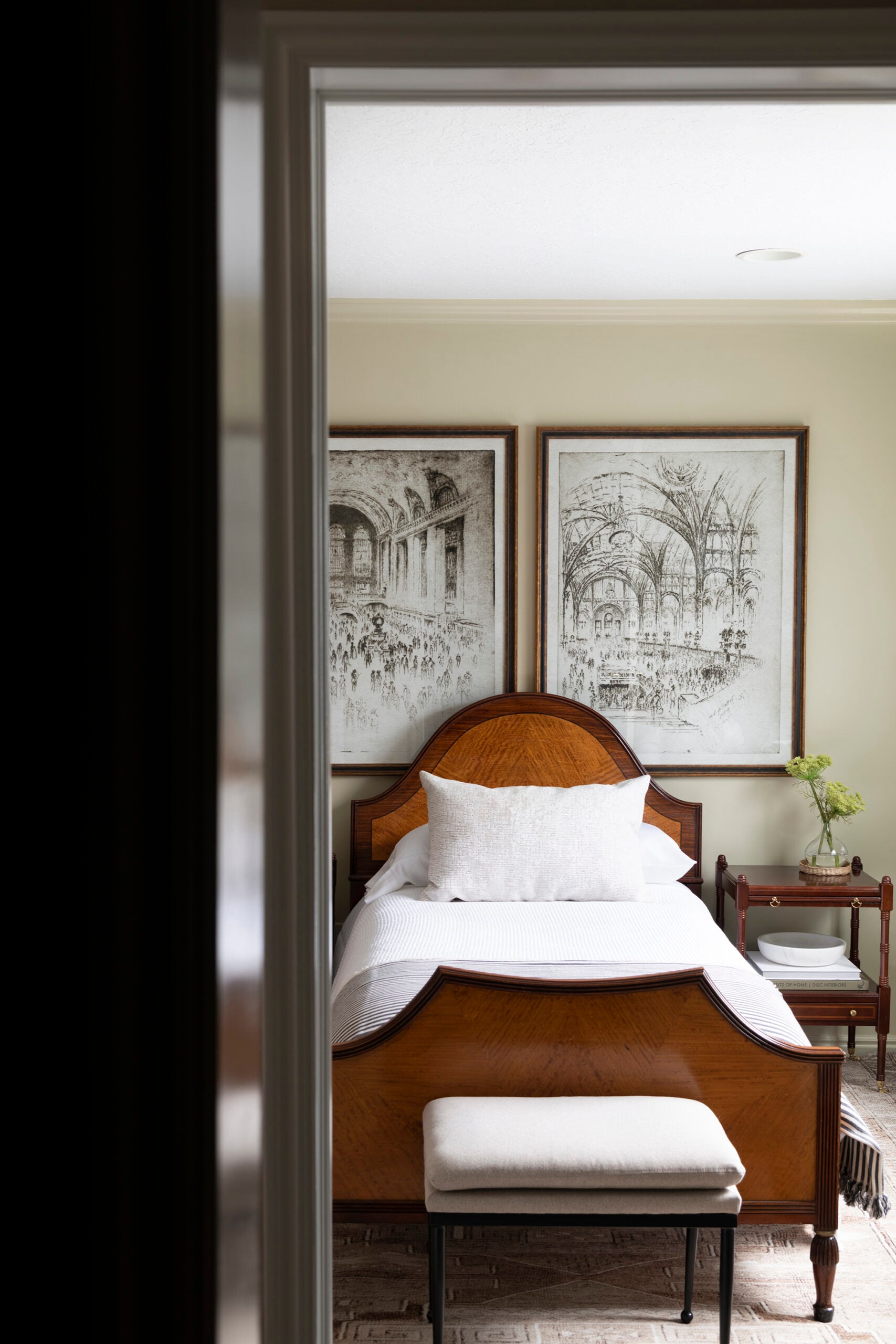
I know we’re in a bit of a color drenching era, and I’m all for a monochromatic space, but that’s not what I consider to be overmatching. I’m talking exact finishes, bed-in-a-box, matching furniture sets, all brass hardware, etc. Overmatching is when a room feels like it was purchased in a single checkout cart. Designers repeat tones, materials, and shapes, but we don’t make every piece match perfectly. Contrast and juxtaposition is key in achieving a layered designer look, and THAT is exactly what gives a room personality. It’s what makes it feel collected over time. Honestly, it’s also what makes it feel like a real, lived-in home… not a staged one. If you’re trying to avoid this decorating mistake, aim for coordinated, not identical.
8. They Don’t Furnish a Room Without a Plan
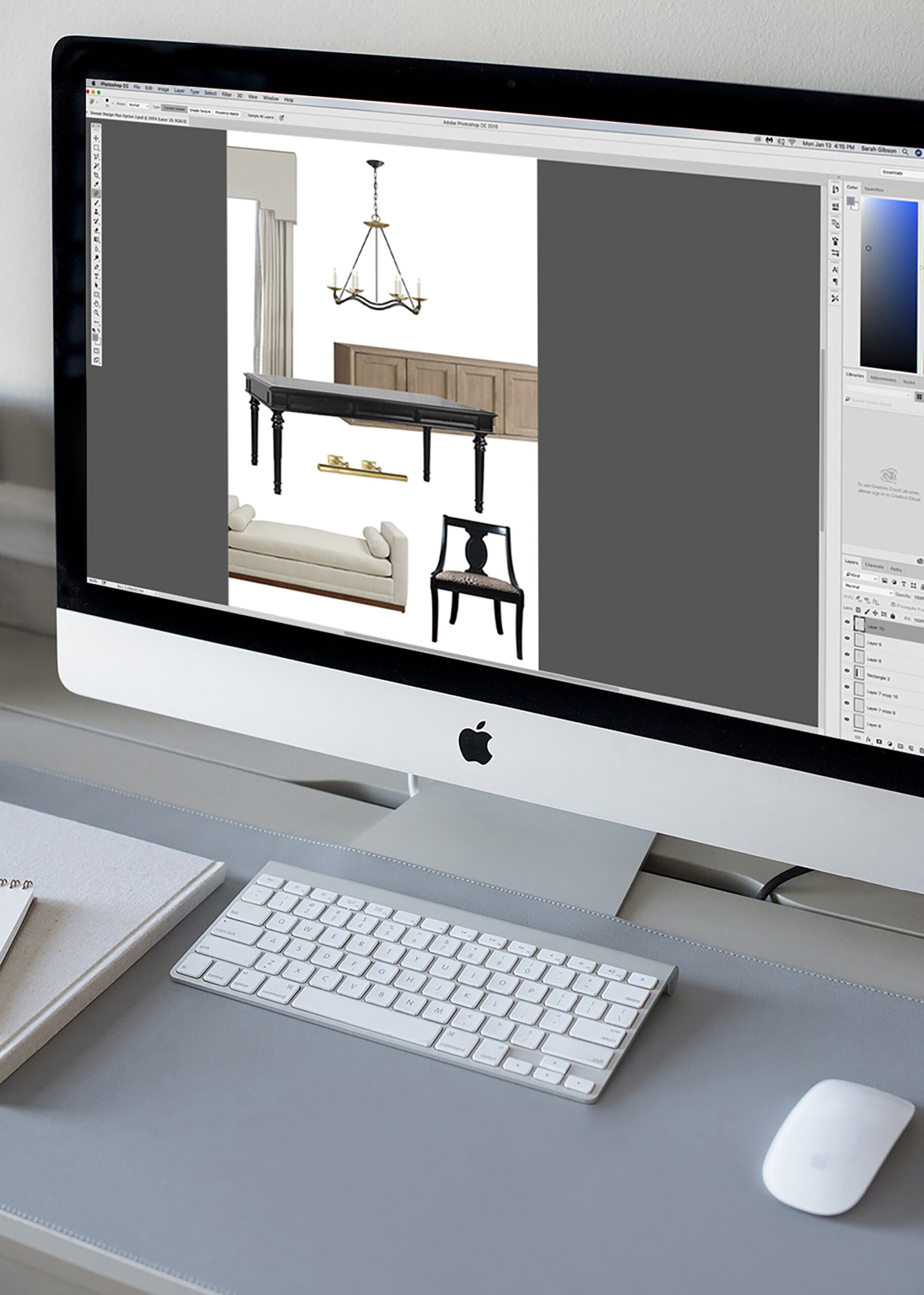
This might be the most expensive decorating mistake designers never make (because it’s our job to pitch a plan). Shopping without a plan is how you end up with a cart full of cute things that don’t actually work together once they’re home. The room starts to feel random. Then you buy more things to “fix” it. Then the room feels even more haphazard. Even having a loose plan helps. You don’t need a full design presentation, you just need a direction. Before you buy anything, make sure you have a clear vision of what you’d like the space to look like, what colors you’re working with, a floor plan (with dimensions), and how the room needs to function.
9. They Don’t Buy Everything from One Store
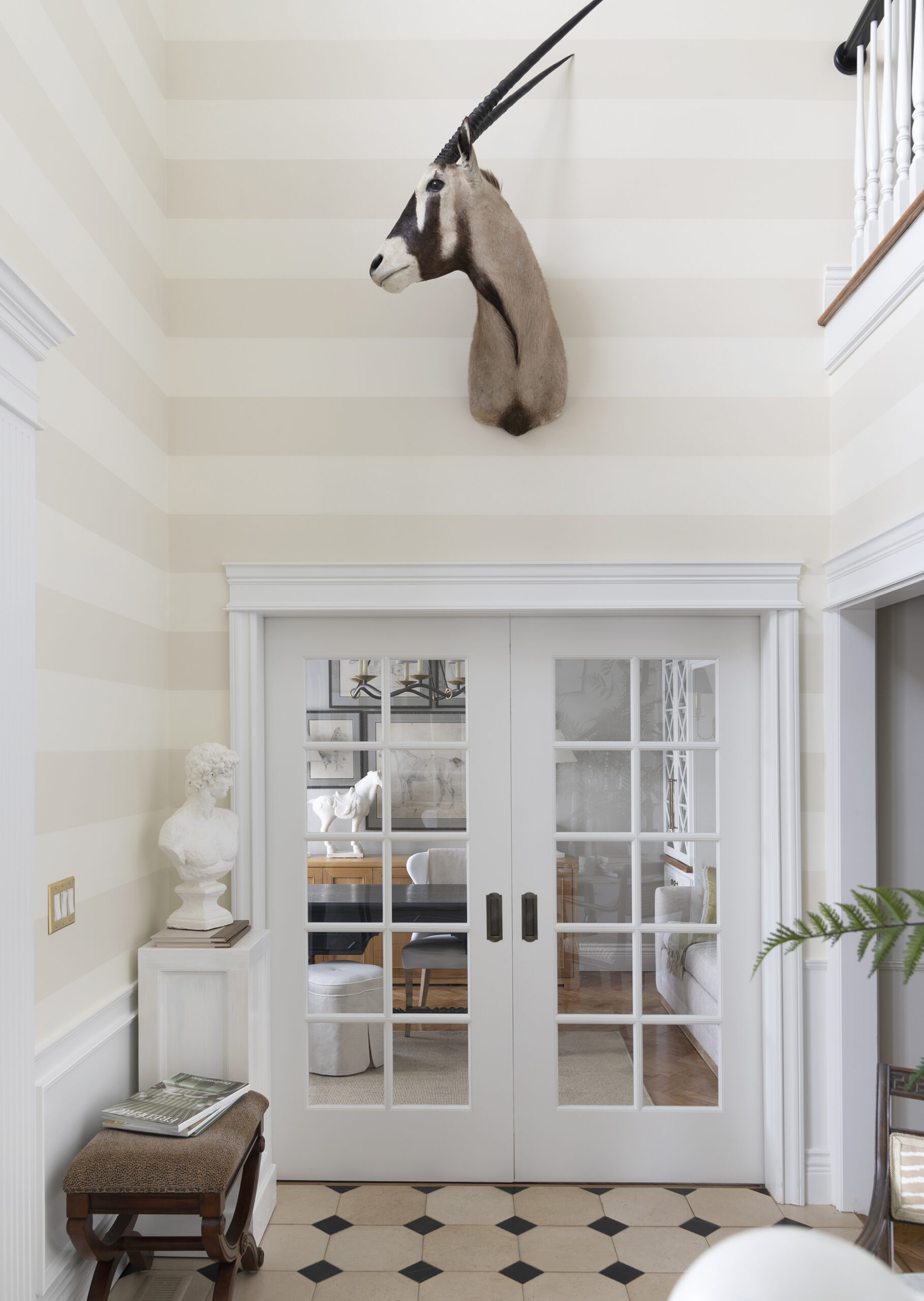
This is one of my favorite designer truths. When everything comes from the same place, it usually looks like it came from the same place. It can feel a little one note, even if the pieces are beautiful, high-end, or well made. Designers mix sources! We blend old and new. We pair high and low. We add something unexpected. That’s what makes a home feel layered and personal. If you’re decorating and you feel like your room is “almost there,” try adding one piece that breaks the pattern. A vintage mirror. A different wood tone. A unique lamp. Something that gives the room a little personality.
10. They Don’t Ignore Ceiling Height
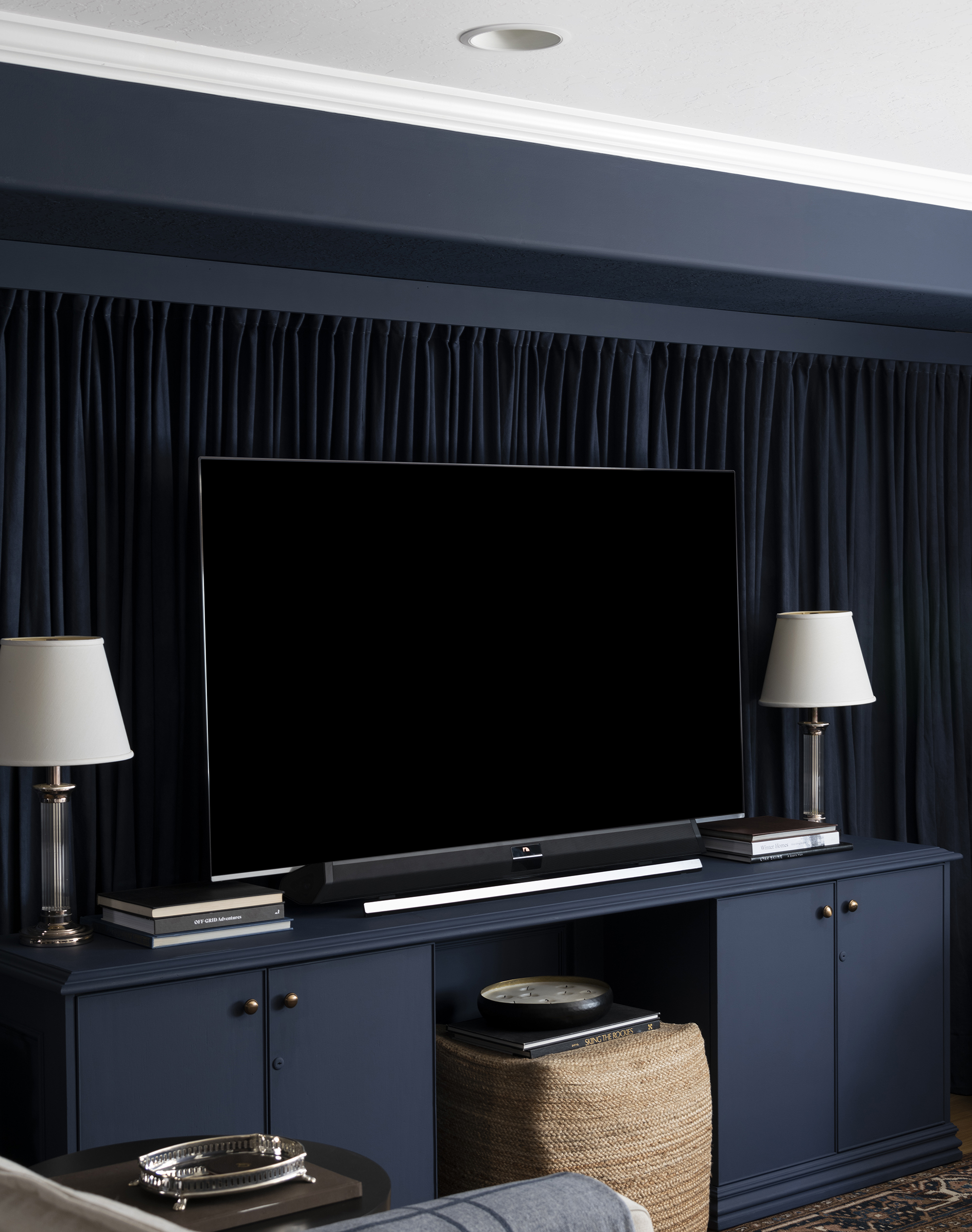
The ceiling height determines what scale and proportion looks best in a space. It changes how you should hang curtains, choose lighting, floor plan, and even style furniture. When ceilings are low, you want to use a few visual tricks to make the room feel taller. When ceilings are high, you want to make sure the space feels grounded and not hollow. This is also why I’m big on nailing curtain height, artwork placement, and layering lighting. All of it connects back to the architecture and scale of the room. Designers decorate the room they have- not the room they wish they had. Check out this post for 12 designer tips to make your ceiling look taller!
My Quick Checklist to Keep Things Looking Designerly
Here is my quick recap or list of designer tips, if you’re trying to fast track making your home look it’s best:
- Layer your lighting and use warm temperature bulbs
- Hang art lower and make sure it feels connected to furniture
- Mix metals intentionally instead of perfectly matching
- Hang curtains higher and wider to lift the room
- Pick your paint color after you choose starting point materials
- Pull furniture away from the walls to create a better floor plan
- Coordinate instead of matching everything- don’t shop at one store
- Make a simple plan before shopping
- Mix sources so your home feels collected
- Allow ceiling height to guide scale and placement
Questions?
The fastest way? Insert antiques or collected finds! Mass produced objects aren’t going to get you very far with that. Instead, shop home estate sales, source vintage, and slowly build your home decor or art collection.
Absolutely! Check out this post on how to choose the perfect rug for any room…
The biggest ones are inconsistent lighting, curtains and art hung incorrectly, and furniture pushed against walls.
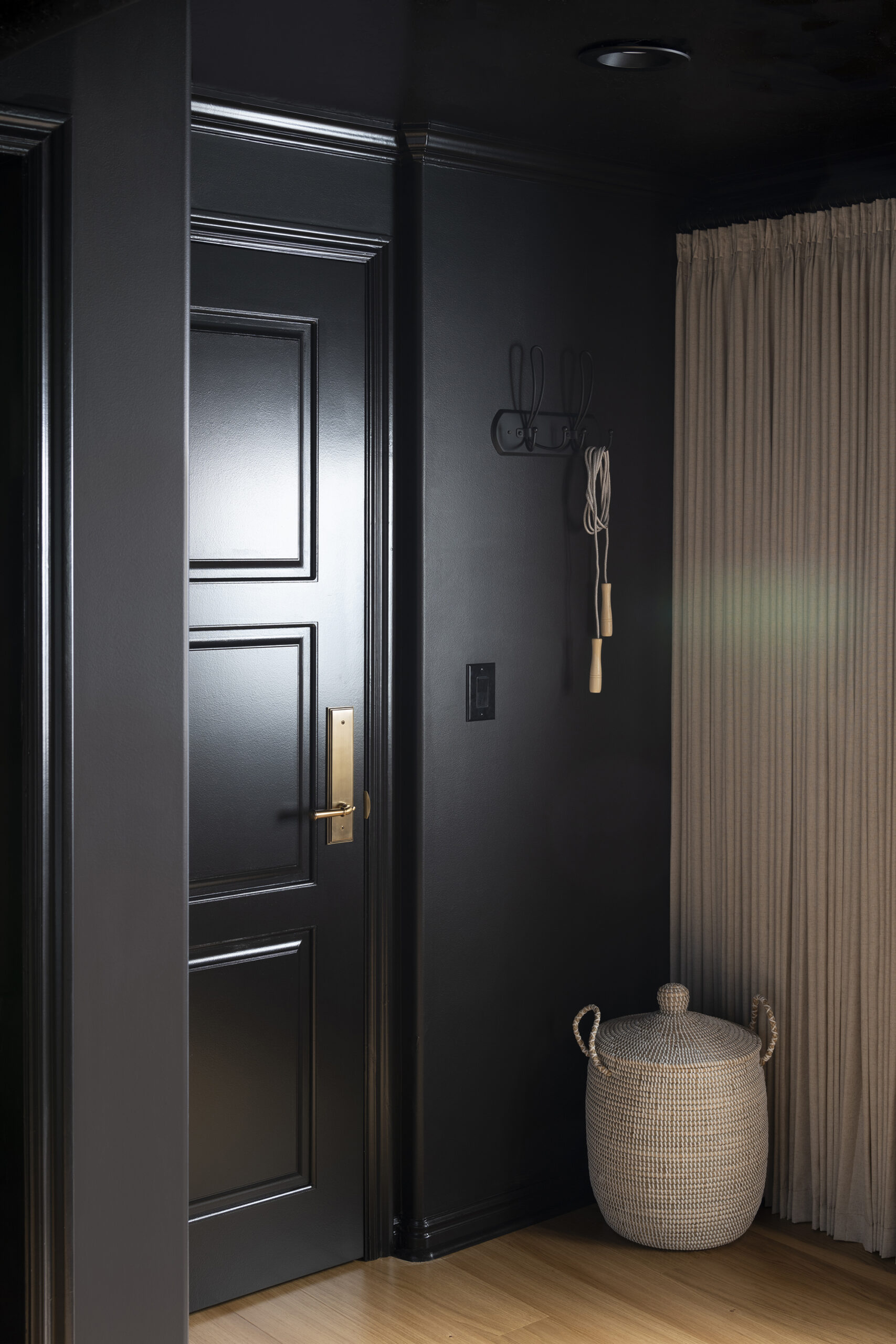
Not at all! Black is a classic color that belongs in every room… seriously, contrast is key! Check out this post for the top black paint colors designers always use. I put all of my favorites there!
Related Posts
Looking for more designer styling, decorating, and renovating tips? I’m going to link some more posts for you below. Give these a read…
- The Designer Guide to Styling Built Ins
- How to Choose the Perfect Rug for Any Room
- How I Designed a Classic Kitchen That Still Feels Timeless
- Designer Tips for Making Outlets & Light Switch Plates Look Better
- Common Home Decor Mistakes That Make Your Home Look Dated (And How to Fix Them)
- 15 Tips for Designing a Home That Looks Cohesive
- 20 Things Every Bedroom Should Have (According to A Designer)
- The Best Interior Design Books for Timeless Home Inspiration
- How to Choose the Right Wall Trim and Baseboard Style for Your Home
- 10 Ways to Be a Bad Interior Design Client and How to Avoid Them
If there’s one thing I want you to take away from this, it’s that decorating isn’t about following a million rules. It’s about making a few smart choices that create balance, interest, and intention in your home. The reason designers avoid these decorating mistakes isn’t because we’re trying to make things complicated. It’s because we’ve seen how much smoother the process goes when you start with a plan, get the scale right, and allow the room to guide your decisions. There’s always a visual payoff! If you want to tackle one change this week, start with lighting or curtains. Those two shifts alone can make your whole home feel fresh.
Loving these tips Sarah! Every one of them is spot on. I’ve learned some of these lessons the hard way- but luckily, I love a layered look. Many of these come natural to me. This is a great resource to refer back to with active projects though, and I appreciate the tips! I hope your weekend was equal parts productive and relaxing. Xoxo