
Where to Use Dimmer Switches: A Designer’s Guide
Lighting is one of those details that completely changes how a room feels. You can choose the most beautiful fixtures, but if it’s too bright, too cool, or too dark, you’re missing the main part of good lighting design. After years of designing and renovating homes, I’m pretty generous with dimmer switches. I don’t put them everywhere, though. There is definitely a time and a place for a dimmer. Here’s my simple rule for deciding where they’re actually worth it, and should be installed in your home.
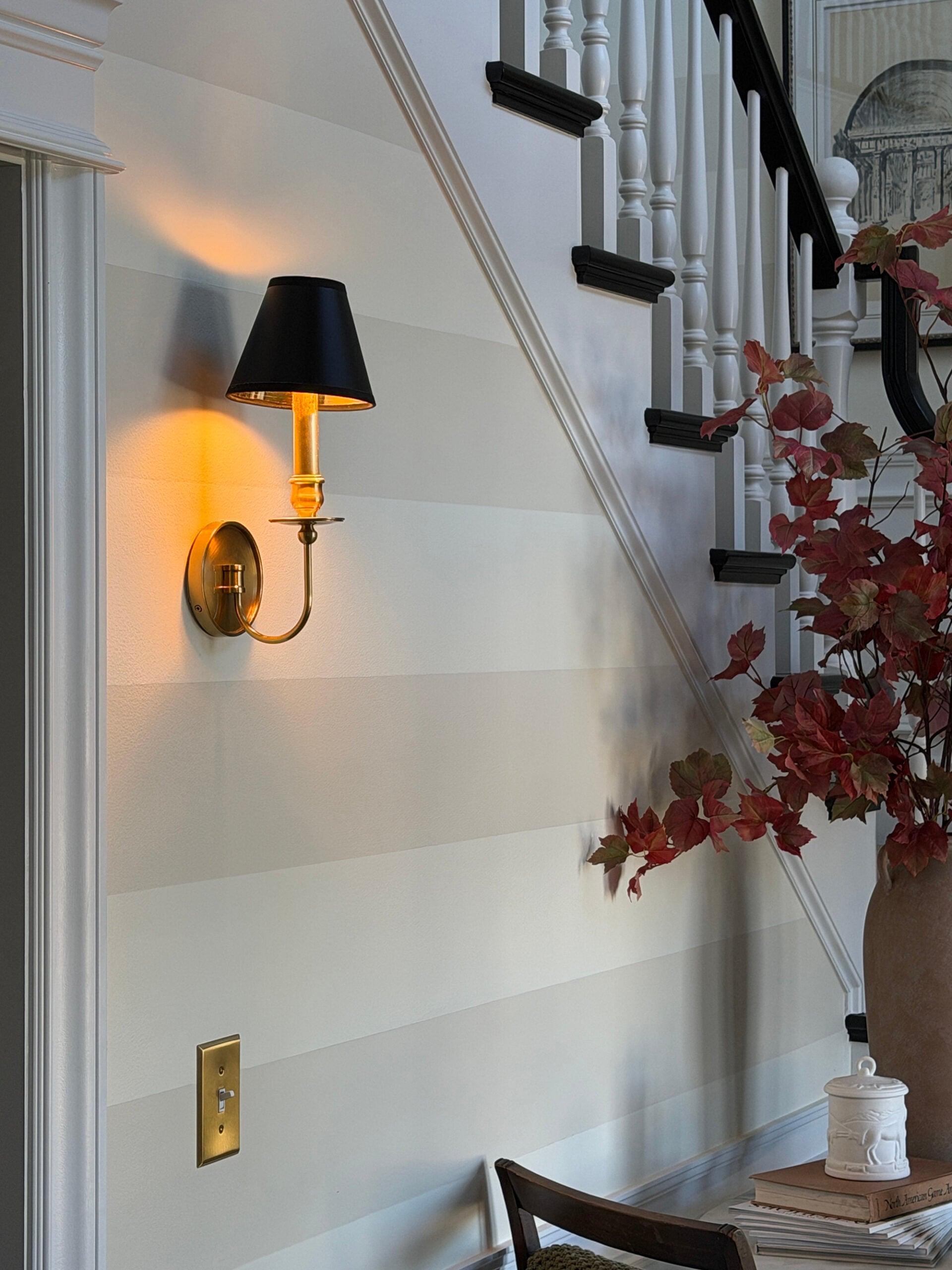
Before you dive into where to put a dimmer (if you’re renovating or starting from scratch), you should definitely read and save my basic guide first… light switch and outlet layout guide for your home. That will give you the foundations, then you can decide which fixtures require a dimmer.
Where Should You Use Dimmer Switches?
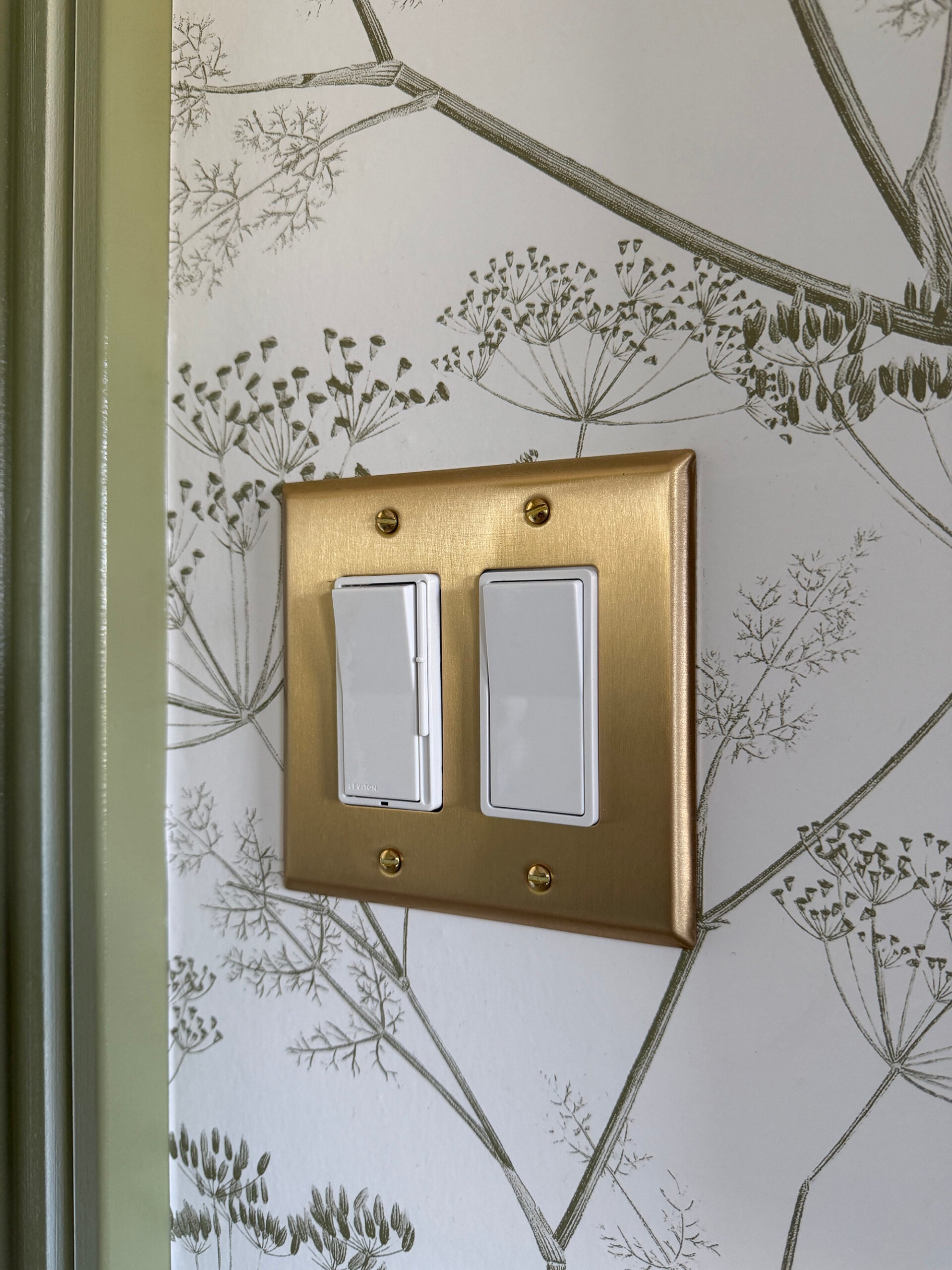
My designer rule is simple… if a light contributes to the atmosphere of a room, I want to be able to dim it. If it’s purely functional and I always want it bright, a standard switch is usually fine. Here’s where I typically use dimmer switches:
- Kitchen recessed lights and pendants
- Dining room chandeliers and pendants
- Living room recessed lights and sconces
- Bedroom ceiling fixtures and sconces
- Bathroom sconces and overhead lighting
- Entryway chandeliers and pendants
- Hallway and stair lighting
- In a nurseries or children’s rooms
- Picture lights and decorative lighting
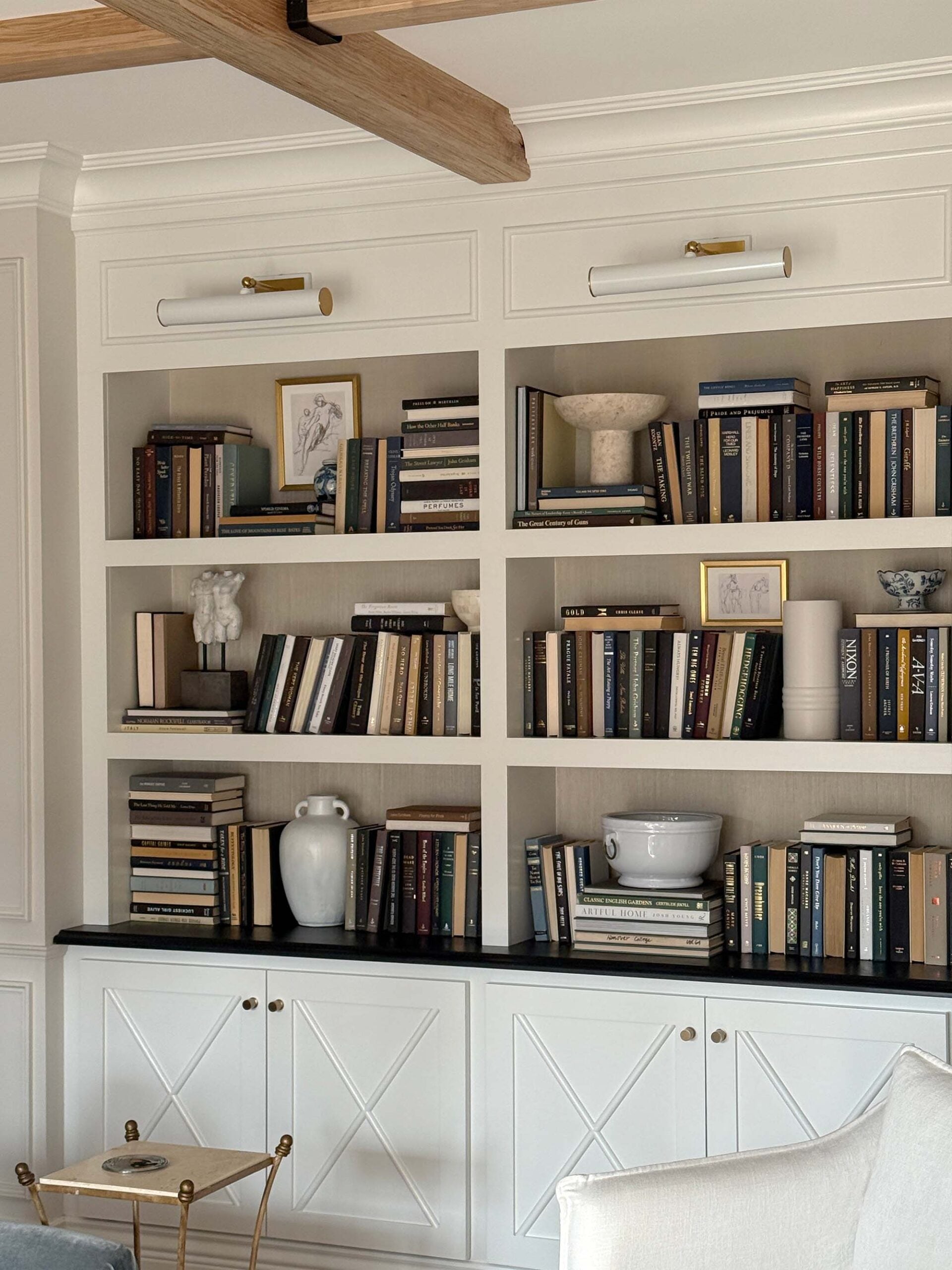
The goal isn’t simply to make a room darker. It’s having control over how the room feels at different times of day. Think about your kitchen. You might want everything bright while you’re cooking, then much softer lighting while you’re sitting around the island after dinner. The same room will have completely different lighting needs throughout the day.
Where I Skip Dimmer Switches
Not every light needs a dimmer. It would be ridiculous to put every light on a dimmer. I usually skip dimmers in closets, pantries, storage rooms, and other purely functional or utilitarian spaces. When I open my pantry, I’m not trying to set a mood— I just want to find the olive oil.
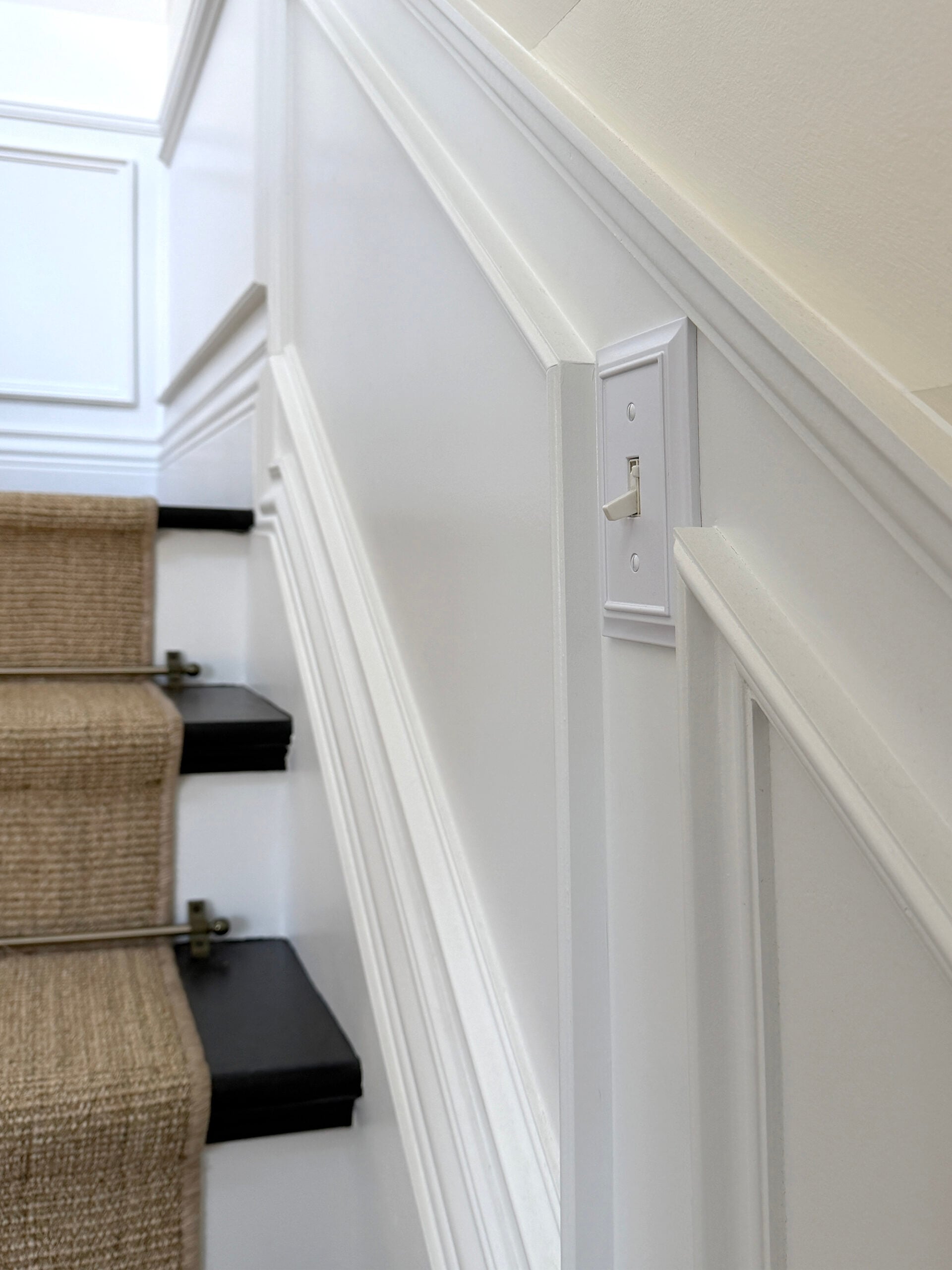
Of course, there are exceptions. A large dressing room with beautiful decorative lighting is different from a basic reach in closet. The easiest question to ask is… will I ever want this light at different brightness levels? If yes, add the dimmer. If you’re always going to turn it on at full brightness, save yourself the extra switch upgrade.
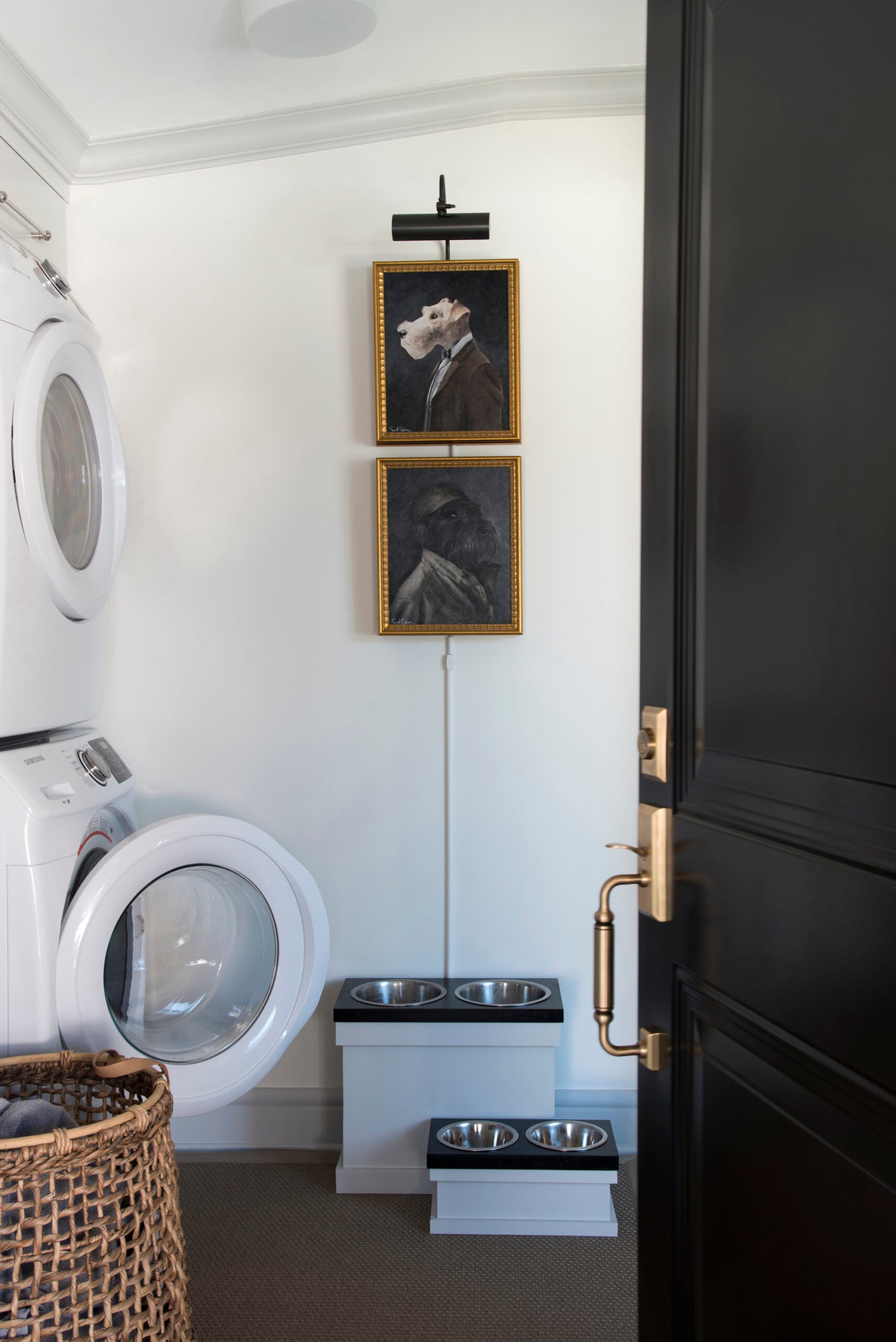
Think in Lighting Layers
This is probably my most important designer tip… don’t put every light in a room on the same control. If your kitchen has recessed lighting, pendants, under cabinet or toe kick lighting, and a decorative sconce, I want those layers controlled separately. During food prep, you might use the overheads. Later in the evening, you can turn off the recessed lights and leave the pendants or sconces glowing. We even use the toe kick lighting as a soft nightlight, illuminating a path to the fridge. That flexibility makes a much bigger difference than simply being able to make every light in the room brighter or darker at once.
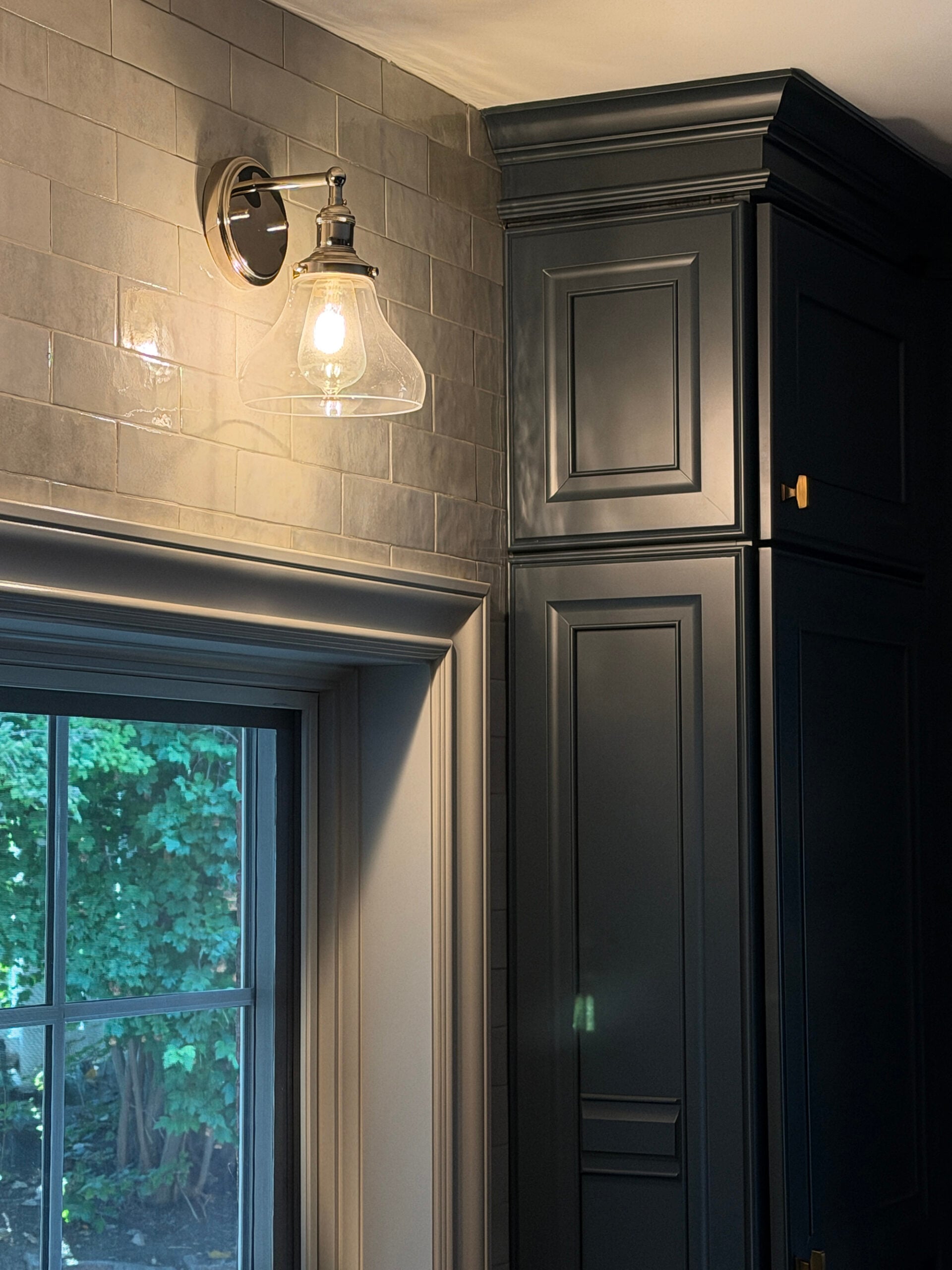
My Quick Dimmer Test
When I’m looking at an electrical plan, I ask these three questions:
- Is this light decorative or atmospheric? Dim it.
- Will I want different amounts of light during the day and at night? Dim it.
- Is it purely functional and I always want it bright? A standard switch is fine.
That’s really it. Lighting plans can get complicated quickly, but this particular decision isn’t a complex one.
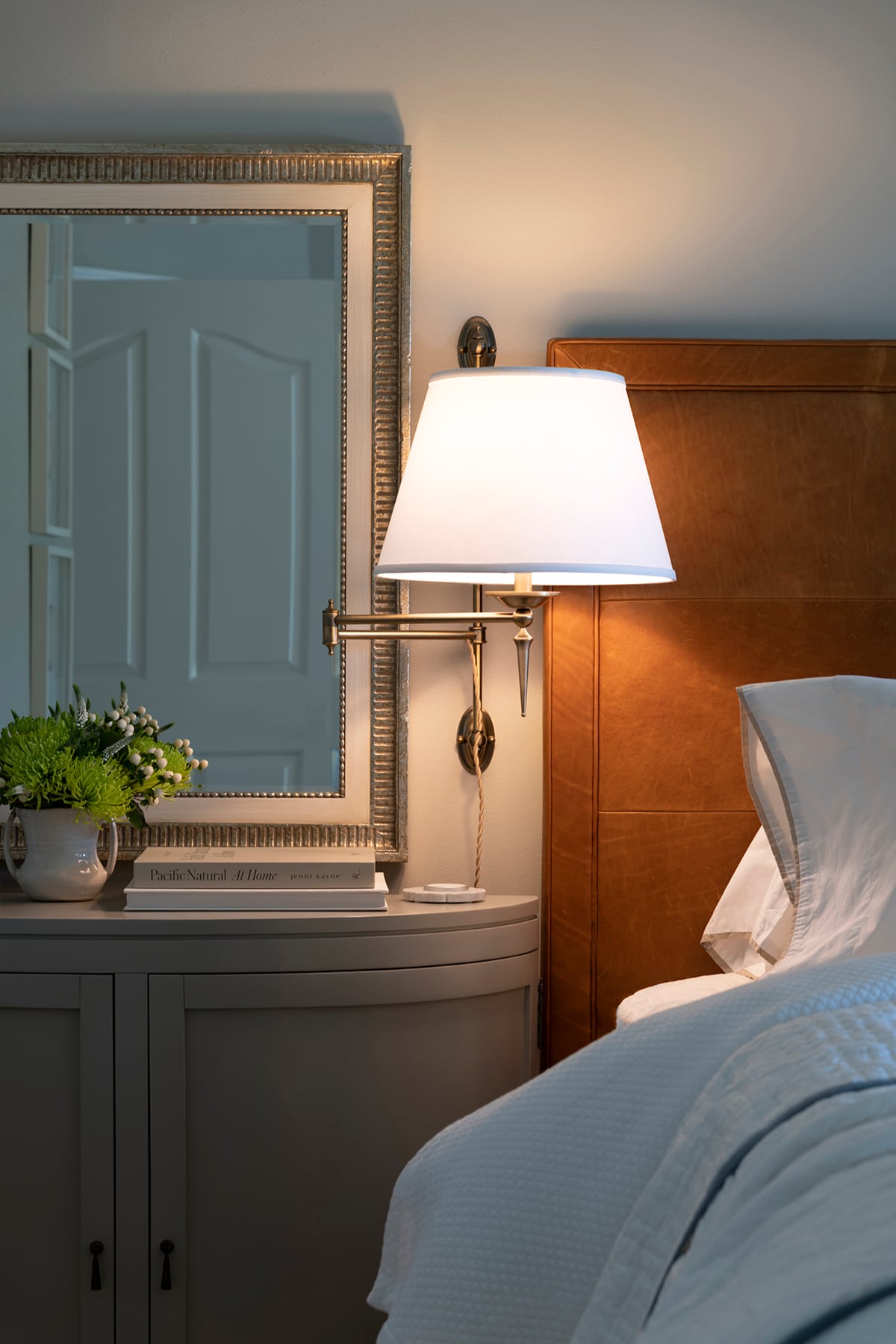
One Thing to Check Before Buying Your Fixtures
Make sure your fixture is actually dimmable. This is especially important with integrated LED fixtures. If you’re using replaceable LED bulbs, you’ll also need dimmable bulbs and a compatible dimmer. I like to figure this out while specifying lighting rather than after installation. There’s nothing more annoying than choosing the perfect fixture and discovering afterward that it doesn’t work the way you planned, or can’t be dimmed. Just ask Emmett how many times this has happened and we’ve had to pivot.
Lighting Questions?
No! I prioritize dimmers for decorative and ambient lighting. Purely functional lighting often doesn’t need one. Lots of plug-in lamps and sconces even come with dimming dials.
It depends… here is my recessed lighting guide: layout, spacing & design.
I always put different lighting layers on separate controls in a kitchen… but the brightest ones (recessed cans) usually have dimmers. Most important in the kitchen is unique switches for control!
I definitely recommend them in the bath. Bright lighting is useful while getting ready, while softer lighting is much more comfortable at night. Since having a baby, this is even more apparent. During bath time, we use dim lights to ease into our bedtime routine. I also love winding down with a bath and soft lighting.
In most living spaces, yes. It gives you more flexibility and prevents recessed lighting from feeling overly bright when you don’t need it.
You can definitely put lamps on a switch, even if they’re plug-in… but lots of higher-end lamps have a dimmer dial, so it’s not necessary (unless they’re synced with your smart home).
Related Posts
Looking for more posts on lighting? I’ve shared designer tips, my recommendations, budget fixtures, designer lights, and everything in between. Here are some of my favorite posts to visit…
- 25 Visual Comfort Lights Worth the Investment
- Recessed Lighting Guide: Layout, Spacing & Design
- How to Light a Kitchen Like a Designer
- Flush Mount vs Semi Flush Lighting: When to Use Each
- Hiding Cords for Wall Sconces and Picture Lights
- How to Properly Light a Bathroom for Function and Design
- Why an Exhaust Fan & Light Combo Is the Best Choice for Bathroom Renovations
- How to Choose the Best Picture Light for Your Artwork
- Choosing Timeless Exterior Lighting (My Designer Guide)
- How to Layer Lighting Like a Designer
If you’re building or renovating, don’t put every light on a dimmer. It’s not necessary, but you should think about how you actually use each fixture. Remember my designer rule… dim the lights that contribute to the atmosphere of your home and skip it for lights that are purely functional. Good lighting design isn’t just about choosing beautiful fixtures. It’s about having control over how your home feels during different hours of the day. I hope this was helpful! I’m happy to answer questions in the comment section below!
Smart tips for a rainy Monday morning Sarah! We have dimmers on all the recessed lights in our home, the bedrooms, and the exterior lights. That was probably the only smart decision the previous owners made, ha! As a person who is sensitive to bright lights, it’s one feature in my home I truly appreciate. This question is random: we have two separate switch controls for the lights in our kitchen (one set in the kitchen, the other on the opposite end in our dining room. All control the same lights). What is the purpose and when does this make sense? I actually hate them. Truth be told, we do use both equally- but my brain can’t stand when a switch is pointed the wrong direction for the intended function. We have a few “double” switches like this in the house, and it drives me insane. Any insight would be helpful! I hope you had a fantastic weekend. Ours was spent relaxing and enjoying the rain.