
Light Switch and Outlet Layout Guide for Your Home
When you’re building a home or tackling a renovation, there are countless decisions to make… and this one is often overlooked or an afterthought (once it’s too late). I’m talking about light switches and outlets. I know. Not exactly the most exciting topic, but after renovating multiple homes and designing countless spaces for clients over the years, I’ve learned that a thoughtful light switch and outlet placement can make a home feel effortless and more functional to live in. A poor layout can leave you wondering why you’re constantly walking across a room to turn off a light or hunting for a place to charge your phone. This is one of those planning decisions that rarely gets much attention, but it can dramatically improve your day to day life. Today, I’m sharing the exact things I consider when reviewing electrical plans so you can create a home that’s both beautiful and functional! Consider this your light switch and outlet layout guide for your home renovation or new build…

If you missed my designer tips for making outlets and light switch plates look better, that’s another post to pin or save. I shared how to choose the right plate aesthetic and shared some of my favorites once your outlets and switches are in place.
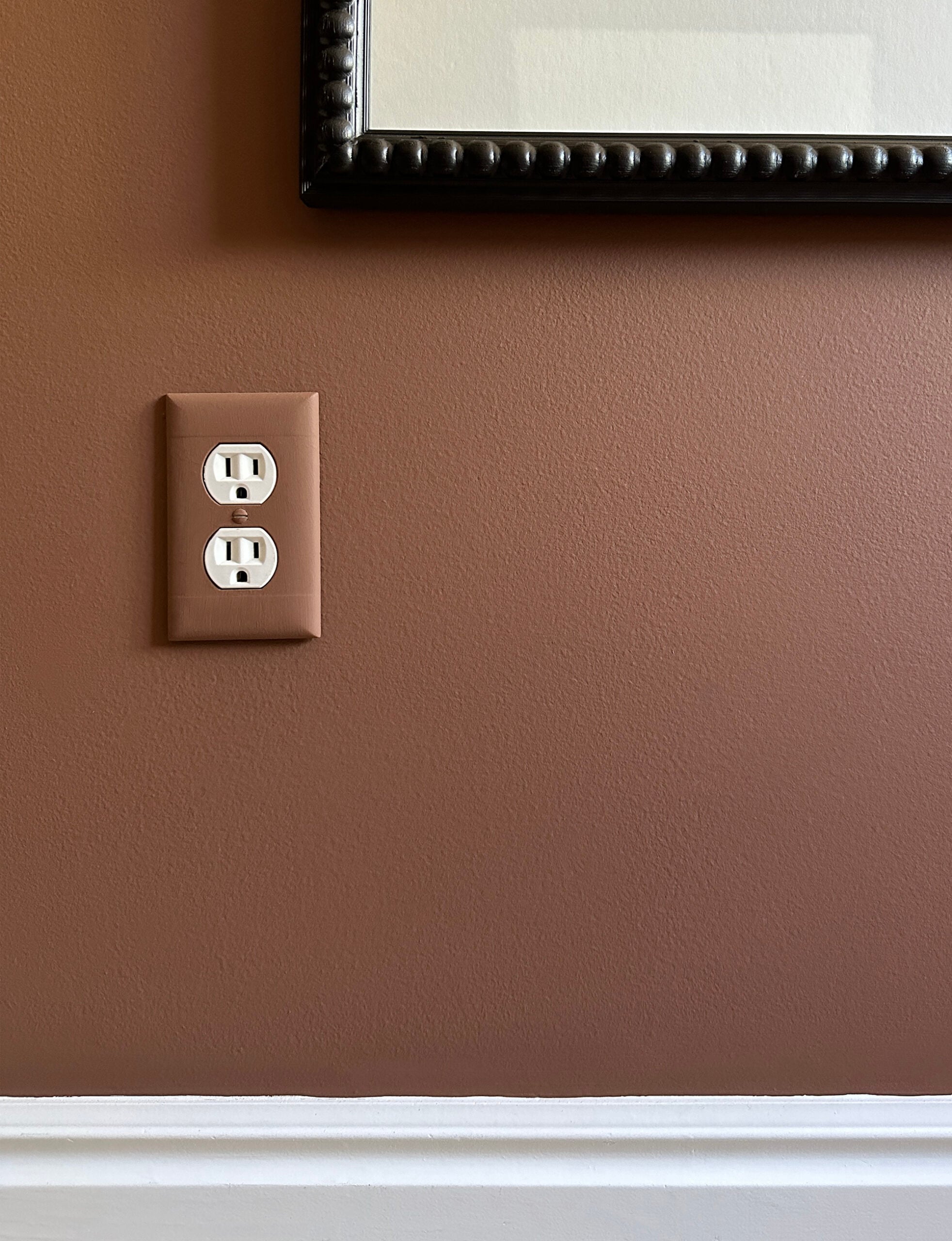
Why Light Switch and Outlet Placement Matters
The best homes don’t just look good- they work well. When electrical plans are rushed, homeowners often end up with switches hidden behind doors, missing outlets where they’re actually needed, and cords stretched across rooms because nobody thought through furniture placement. A good light switch and outlet layout should support how you live. Think about your morning routine. Think about where you charge devices. Think about holiday decorating, entertaining, reading in bed, vacuuming, and brewing coffee. Those everyday habits should influence your electrical plan far more than simply meeting minimum code requirements. You also want to consider aesthetics- like floor outlets, hidden outlets (inside cabinetry), and tucking switches into the appropriate place. Here’s how…
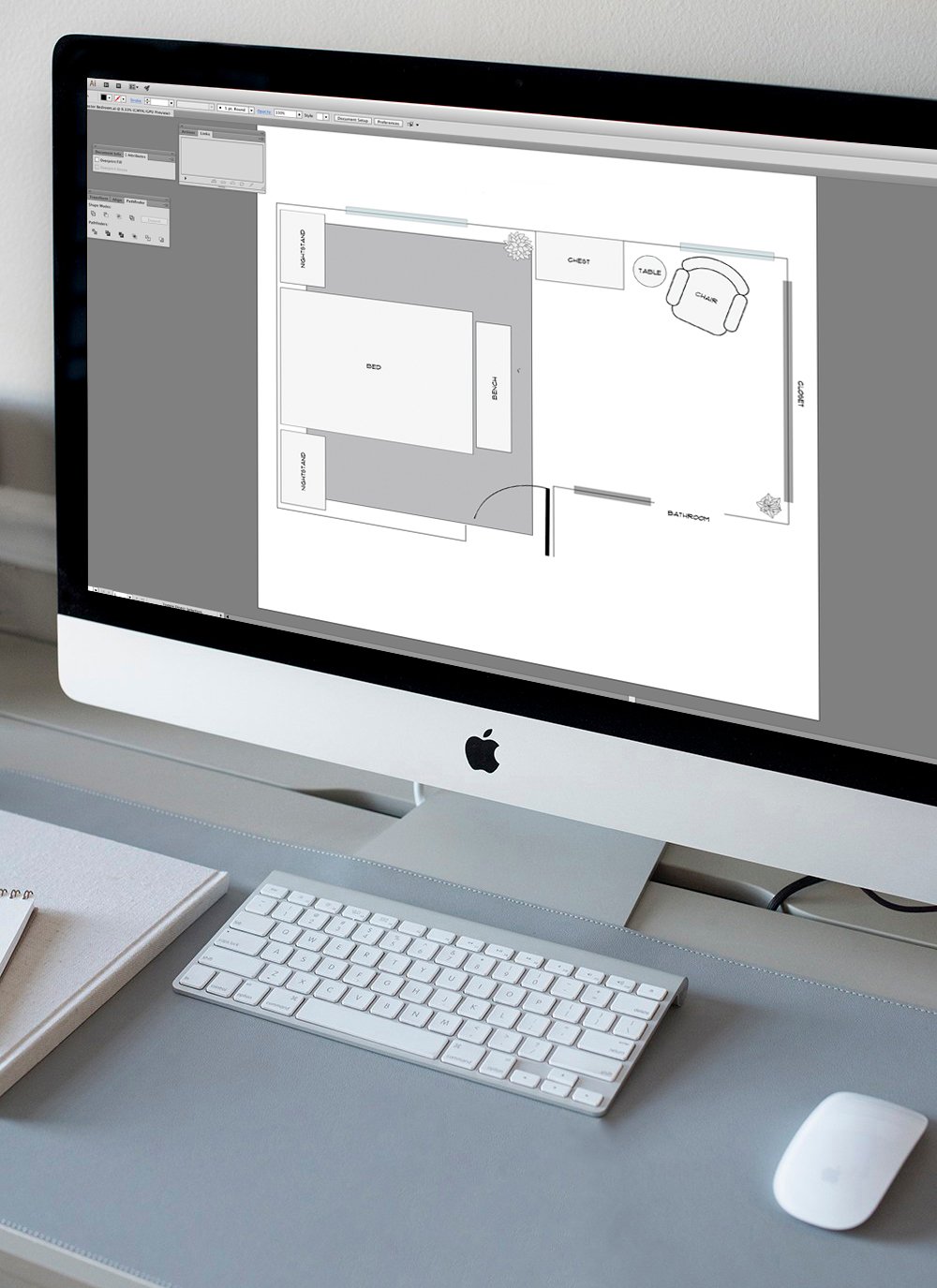
My Designer Rule: Floor Plan Before Electrical
This is probably the biggest mistake I see during renovations and new builds. Many homeowners review electrical plans before they’ve visualized floor planning. That’s backwards! Before deciding where outlets and switches belong, I always map out the room first… even a rough visualization. Once you know where the sofa, bed, dining table, and nightstands will live, the electrical layout becomes much easier to plan. I just reviewed plans for our Utah cabin and because I worked through the furniture plan and layout, I was able to place switches EXACTLY where they’ll be most convenient. Had we done electrical first, the locations would have been much more of a guessing game. The lesson? Design the room before you finalize the electrical, if possible.
My Electrical Planning Checklist
Whenever I’m reviewing plans, these are the details I double check before construction begins:
- Bedside outlets and charging stations
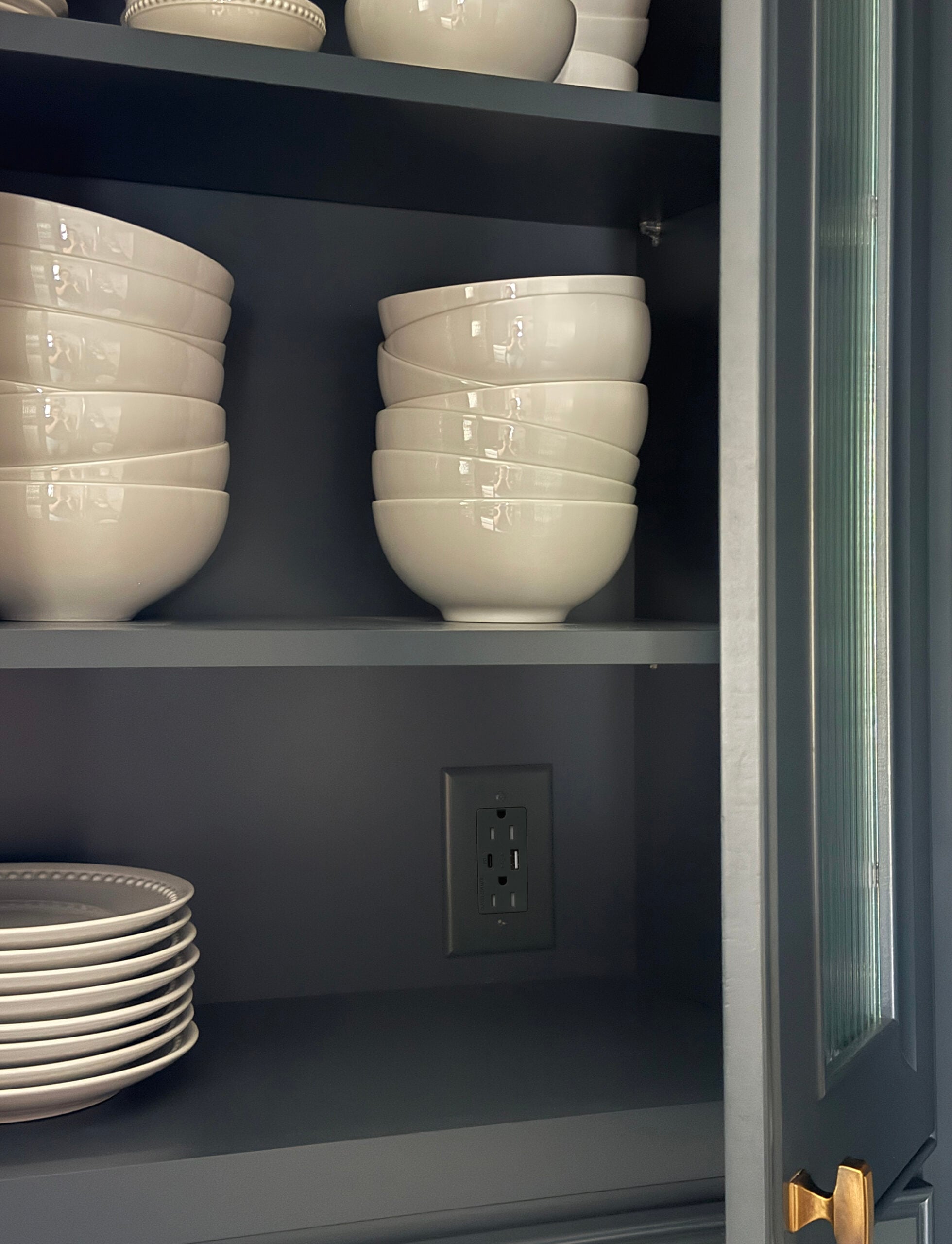
- Kitchen island and in-cabinet outlets
- Pantry or appliance garage outlets for small appliances
- Bathroom outlets and in-vanity outlets
- Hidden outlets inside closets
- Floor outlets in large living spaces or home offices
- Dedicated outlets for televisions
- Exterior outlets for holiday lighting
- Future smart home needs (think Wifi router, security panel in hall or mudroom, etc)
- Lamp locations and furniture placement or floor planning
Light Switch Placement Tips
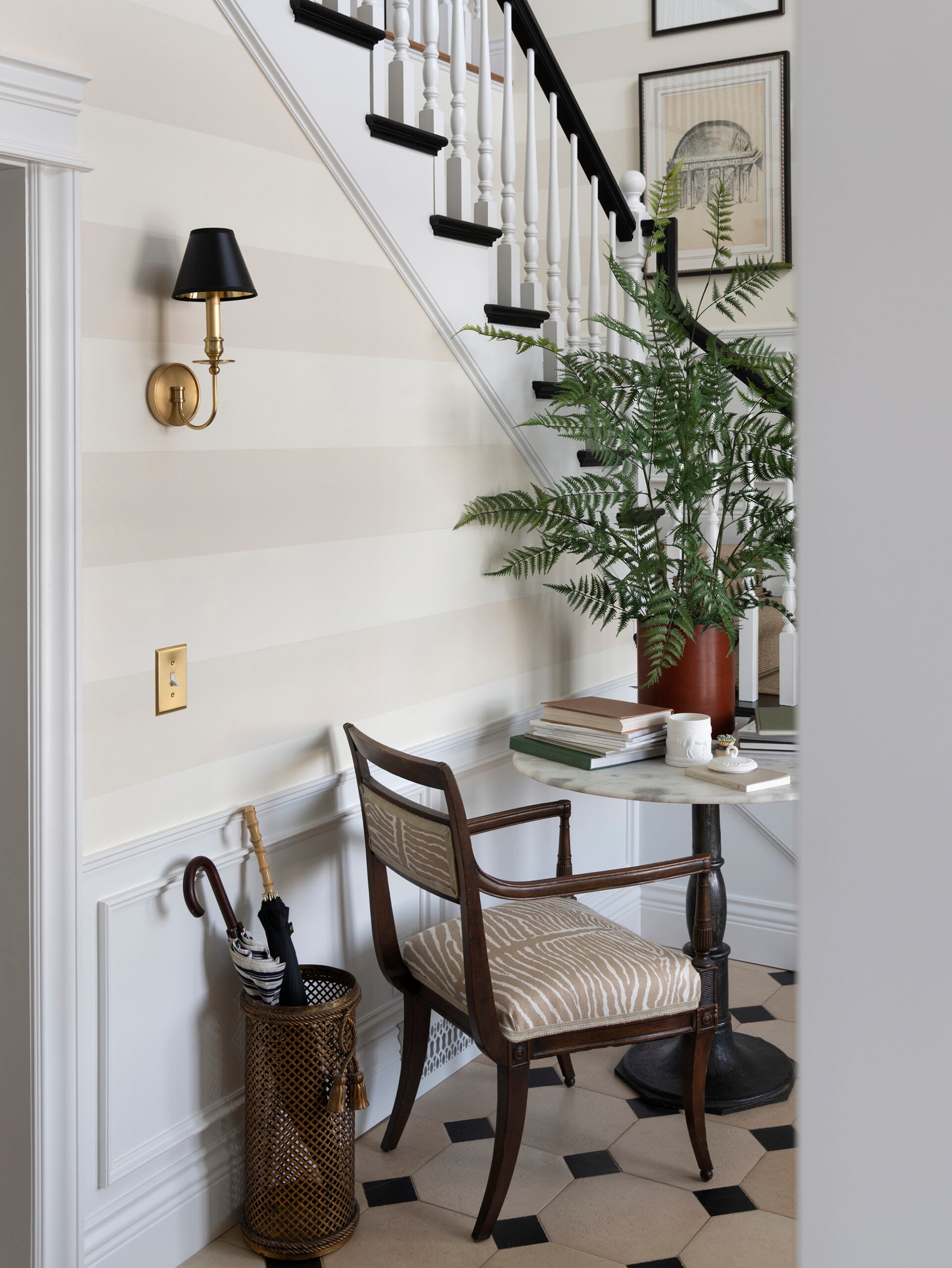
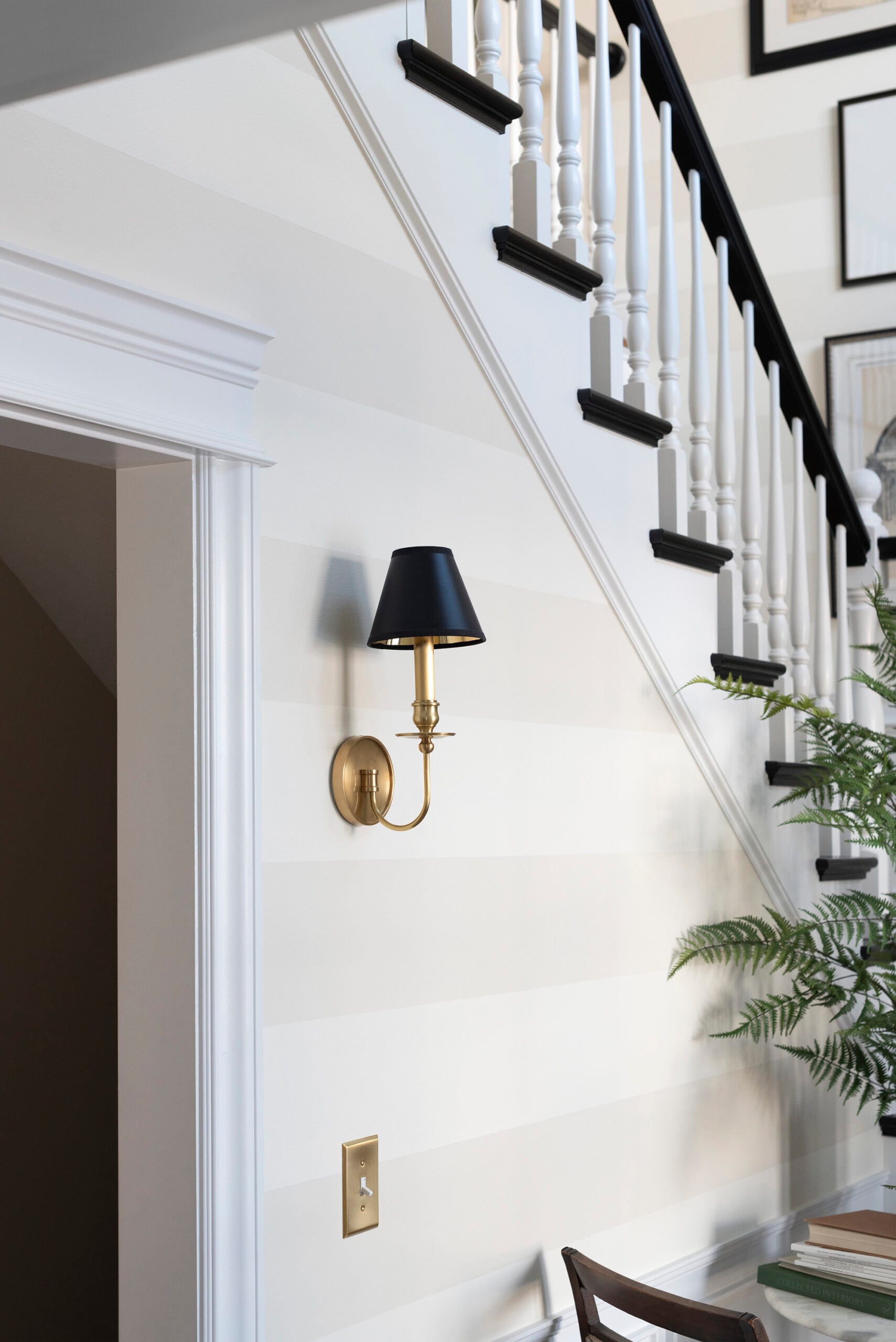
Switch placement should feel intuitive. You should be able to walk into a room and immediately know where the controls are located.
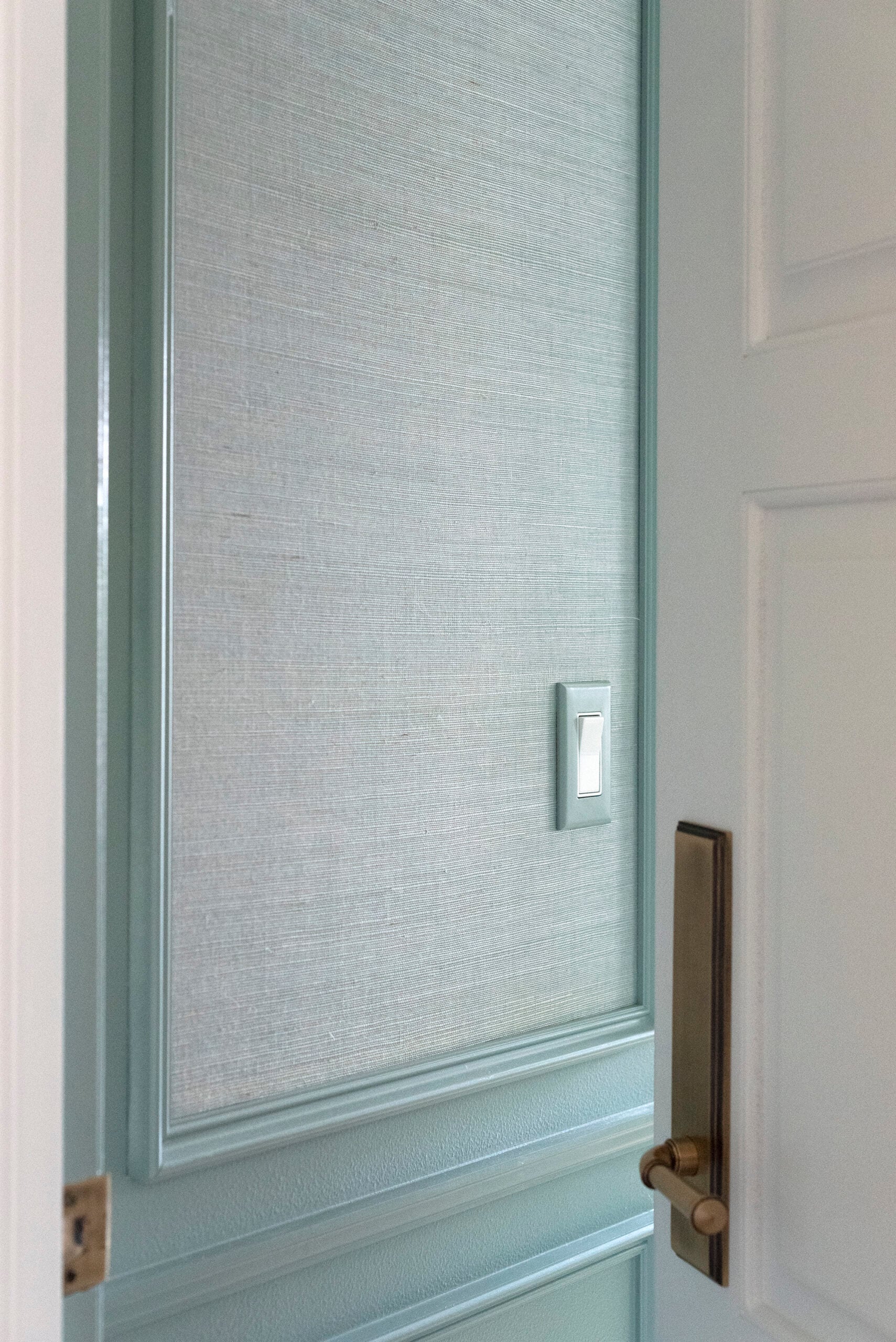
For most rooms, I prefer placing switches just inside the doorway on the latch side of the door. This is where people naturally reach when entering a space.
If you’re planning a larger room, consider three way switches. Being able to control lighting from multiple locations is one of those features you’ll appreciate every day. In bedrooms, I always encourage homeowners to think about convenience from the bed. Whether that’s bedside sconces with integrated controls or additional switching options, it’s a small upgrade that feels like a nice luxury. One thing I pay close attention to is the door swing. You’d be amazed how many plans place switches behind an open door. It sounds obvious, but it happens more often than you’d think!
Outlet Placement Tips
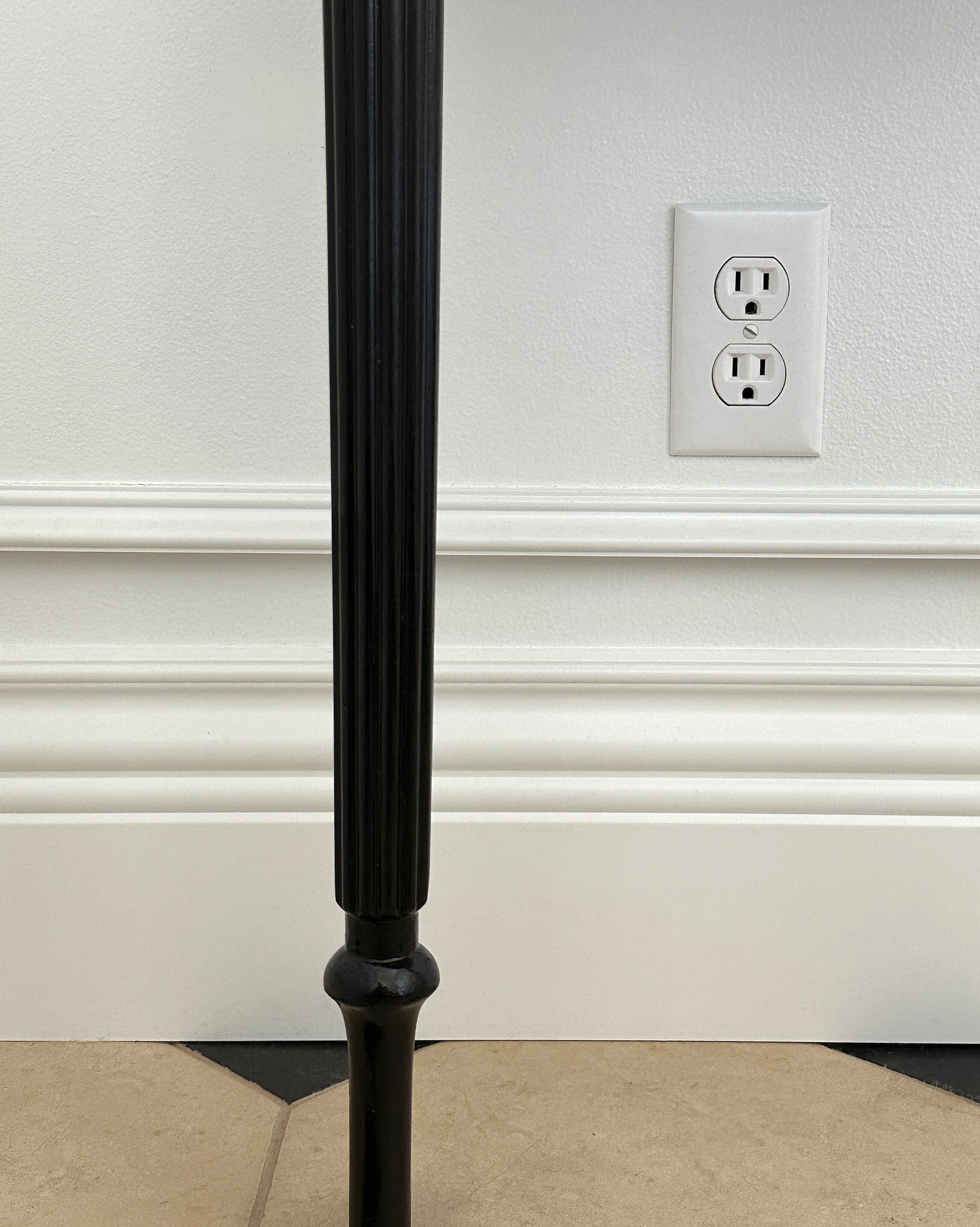
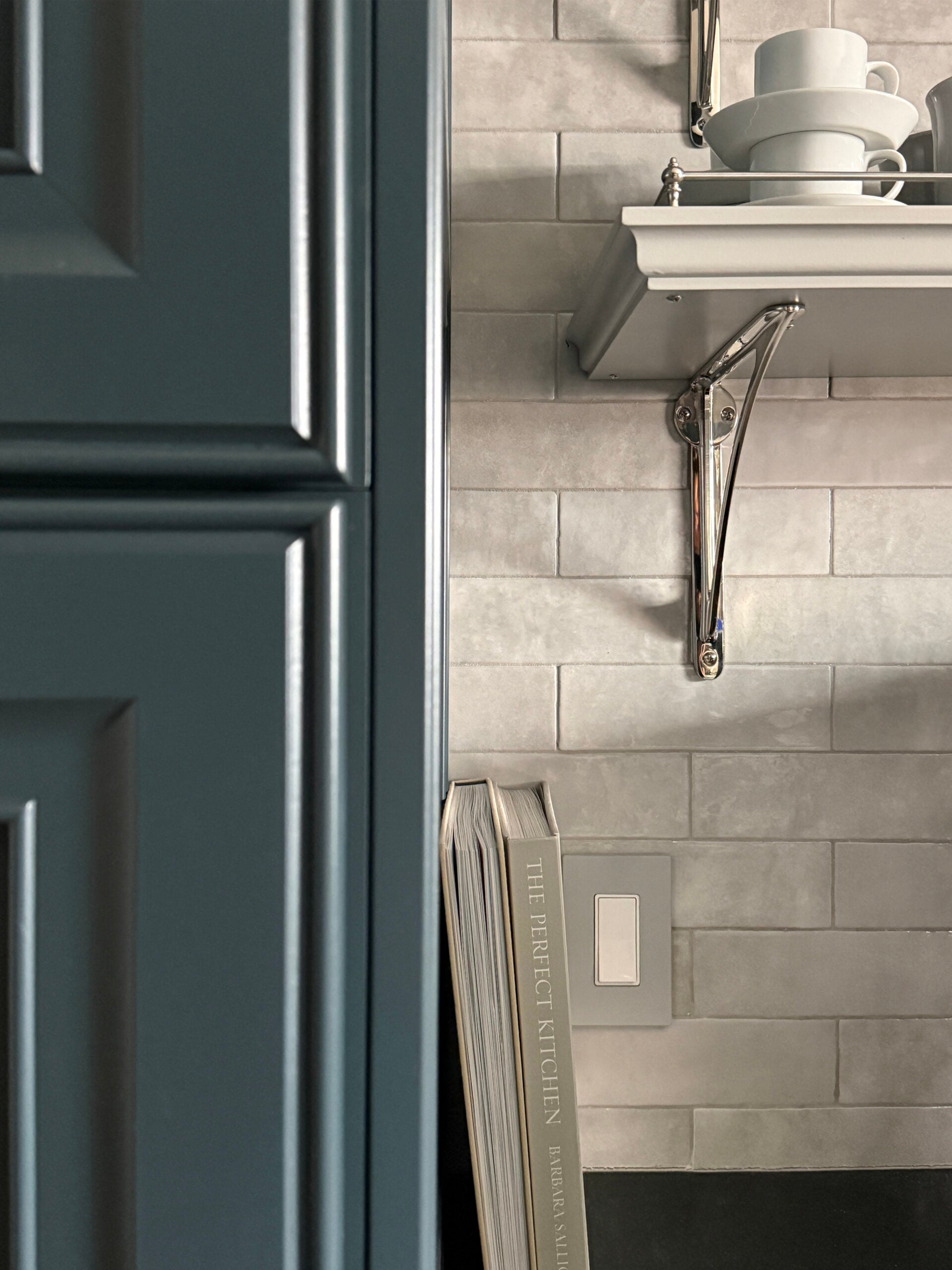
If I could give homeowners one piece of advice, it would be this… you probably need more outlets than you think. Our homes rely on more technology than ever before (phones, tablets, laptops, lamps, speakers, vacuums, fragrance diffusers, baby monitors, security, holiday decor, and smart home devices all require power). When planning outlets, I ask myself a simple question: “What will happen in this exact spot every day?” If it’s a reading nook, I’ll want a nearby outlet for a lamp. If it’s beside the bed, I’ll want charging access. If it’s a coffee station, I’ll want dedicated power. Function should always lead the conversation when it comes to electrical planning.
Floor Outlets: Are They Worth It?
In my opinion, yes! Especially in large living rooms or home workspaces where furniture floats away from the walls. Floor outlets are one of those upgrades homeowners rarely regret. They’re particularly useful beneath sofas, between chairs, under a desk, or underneath console tables located in the center of a room. Without them, extension cords tucked beneath rugs often become the default solution. A properly placed floor outlet virtually disappears once furniture is installed.

Remodel vs. New Build: What’s Different?
The approach is similar, but renovations often come with additional limitations. In a new build, you have complete flexibility. You can design the electrical plan around your ideal furniture layout from the beginning. During a remodel, existing framing, plumbing, and electrical infrastructure may influence what can realistically be moved. This is why I always encourage homeowners to spend extra time planning before the walls are closed up. Making changes on paper is significantly easier than making changes after drywall is installed. Don’t feel rushed into decision making before you’ve thought it through!
The Most Common Mistakes I See
After years of renovation projects, these are the issues homeowners mention most often… and what’s interesting is that almost all of these could have been prevented during the planning phase:
- Not enough outlets
- No floor outlets in large rooms
- Poorly placed switches
- Missing outlets
- Forgetting seasonal lighting needs
- No dedicated charging locations
- Insufficient kitchen power
- Skipping in-drawer or behind closed cabinet outlets
Before Finalizing Electrical Plans Do This…
Print your floor plan. Walk through each room mentally (tape it out with painter’s tape if you have to). Imagine waking up in the morning, making coffee, charging your phone, reading in bed, entertaining guests, decorating for the holidays, and cleaning your home. Ask yourself where you’ll need light and power during each of those activities. That’s the exercise I use when reviewing plans, and it’s one of the easiest ways to identify potential issues before construction begins. The goal isn’t simply adding more switches and outlets. The goal is creating a home that supports the way you actually live.
Questions?
Of course! You can find them here.
Most homeowners wish they had added more outlets. While building codes establish minimum requirements, I typically recommend planning beyond the minimum whenever possible. It usually revolves around square footage and room use.
Light switches should be easily accessible when entering a room. Avoid placing them behind doors or in locations that require walking through a dark space.
Here’s my guide for hiding cords for wall sconces & picture lights!
Absolutely! Hidden outlets are incredibly useful for charging cordless vacuums, phones, and other rechargeable household tools.
I strategically cut my rug… it sounds scarier than it is. Check out my post on why I love floor outlets (designer tips and advantages) for visuals on how I do this.
Finalizing electrical plans before they’ve finalized their floor plan. Furniture placement should guide outlet and switch locations, not the other way around.
Related Posts
If you’re building or renovating, here are some additional posts to help you avoid making mistakes early on… there are SO many decisions that go into renovating! I hope these are helpful:
- Overlay vs Inset Cabinets: What’s Best for Your Kitchen
- How to Find and Hire a Reliable Contractor
- Standard Bathroom Dimensions To Know Before Renovating
- 15 Tips for Designing a Home That Looks Cohesive
- Designer Guide to Mixing Metals by Room
- Why an Exhaust Fan & Light Combo Is the Best Choice for Bathroom Renovations
- The Kitchen Dimensions Every Designer Knows (And You Should Save)
- Designer Guide for Choosing the Best Paint Sheen or Finish
- How to Choose the Right Wall Trim and Baseboard Style for Your Home
- How Paint Color Percentages Work and When To Use Them

A well designed home isn’t solely about finishes and aesthetics (and that’s coming from a designer). It’s how the space functions when real life happens. Your light switch and outlet layout may not be the most exciting part of a renovation or new build, but it’s one of the decisions you’ll interact with every day. Spend the extra time thinking through your routines, furniture plans, and future needs before it’s too late in the process! Trust me, it’s much easier to move a line on a drawing than it is to live with a frustrating outlet location for the next decade. I hope that helps! I’m happy to answer any questions in the comment section below.
I feel this to my core! We have had to add so many outlets during our renovations. Switch placement is great except for one pesky switch on the kids’ bathroom. Moving that one would allow us to install a pocket door to their tiny water closet; a move that would make their bath space so much more functional. I’m hoping when it’s time to renovate their bathroom that we’ll be able to make that adjustment. I love your tip on floor planning first. When you know the layout, you also know the traffic pattern- placement becomes intuitive. Spot on tips for a chilly June morning! I hope your week is off to a great start.