
How to Find Your Home Design Style
I’m excited to share some easy tips for determining the aesthetic of your home. Before you choose paint colors, furniture, or finishes, understanding your home design style gives you a clear foundation and starting point. It helps you make confident decisions, avoid costly mistakes, and create a home that feels cohesive and personal (rather than pieced together). From marrying your personal style with the existing architecture of your home to making informed renovation decisions, I hope this post will help you hone in on the aesthetic that feels most representative of you and your home! Finding your style isn’t about fitting into a trendy label- or even needing to fully define it. It’s more about understanding what you’re drawn to, how you live, what items function best in your space, and how your home’s architecture naturally complements your style. Let’s walk through it in a way that feels approachable and realistic. Click through to chat design with me!

I’m actually really excited to change up the aesthetic you’re accustomed to seeing from me. We went cabin hunting in the Utah mountains and found our next big renovation project. Here you can see a first look at our Utah cabin (before we renovate) and see how the architecture and location of a home help determine the design style. Obviously, we’ll be leaning hard into a rustic aesthetic over there… unlike our traditional colonial home. Anyway, let’s dive in!
Defining Your Home Design Style
First and foremost, don’t feel limited to define your personal style. In design interviews, I’m often asked, “How would you describe your aesthetic?” and it’s a question I tend to dislike because of a few reasons:
- I believe my aesthetic is ever evolving, as I grow and change.
- For me, it’s always a little influenced by the architectural style and location of our home.
- I enjoy mixing multiple aesthetics or interior styles.
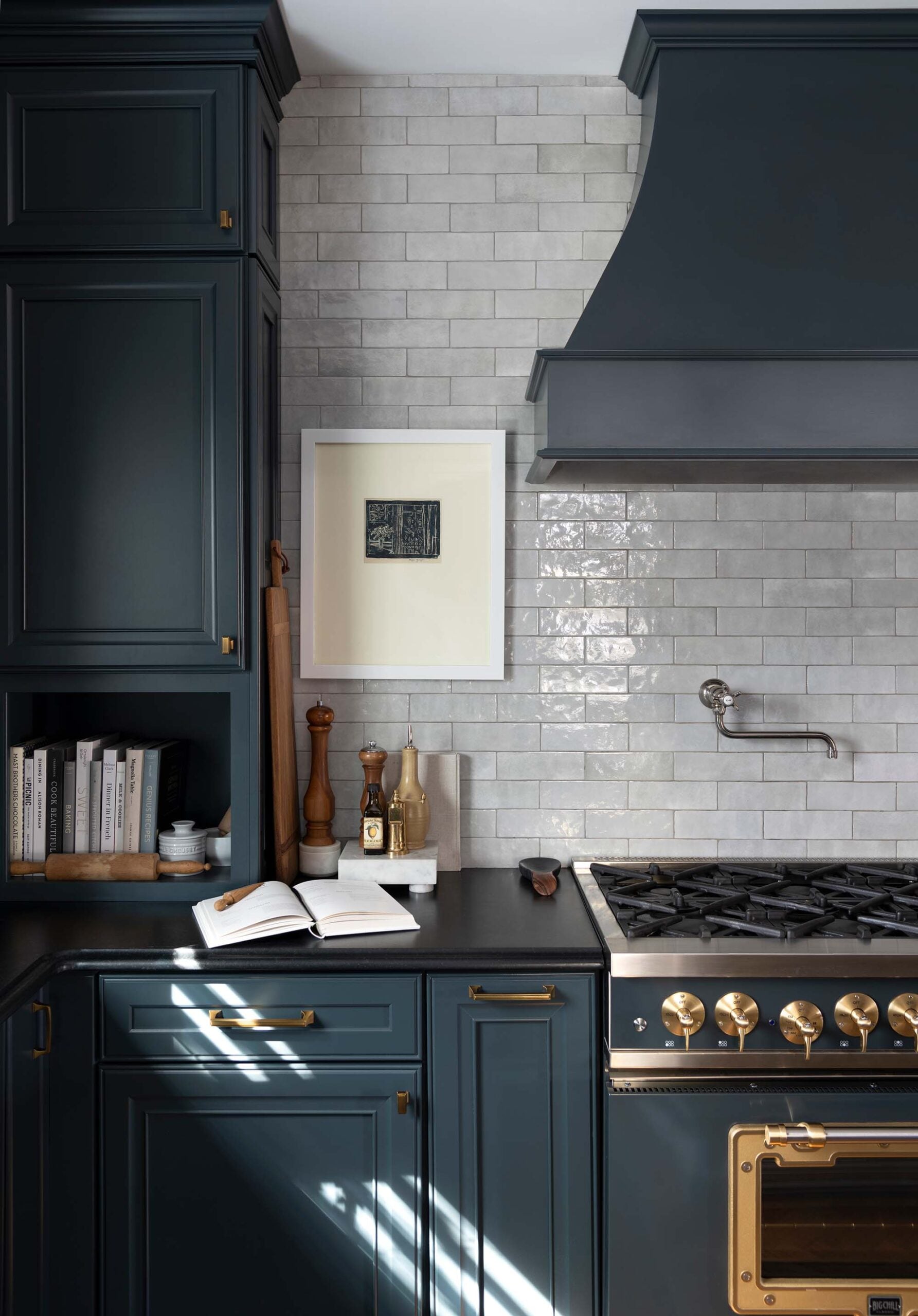
Therefore, it’s difficult to describe exactly what my personal aesthetic is. It’s not 100% traditional, it’s not 100% modern, it’s not 100% eclectic, but it could be a little bit of all three, plus a lot more. It’s layered and curated to our liking. There isn’t a definitive answer and it feels like we’re doing ourselves a disservice by trying to put a single word on our style. My answer has changed over the years and it changes with each home we make our own- and that’s ok! I feel like my style (however I may describe it on any given day) feels cohesive to what Emmett & I enjoy and what feels right for our home.
I’ve always believed that your personal aesthetic is a blend of what you love and the home’s history or architecture. More often times than not, your aesthetic will shine through or often speaks for itself without you even having to think about it… solely based on what you bring inside. Don’t overthink it and don’t feel like you have to assign a word to it (cottage core, modern, Japandi, transitional, coastal grandma, etc). The interior aesthetic names continue to get more interesting with time, ha. Sometimes I think it’s more beneficial to understand the aesthetics you don’t like.
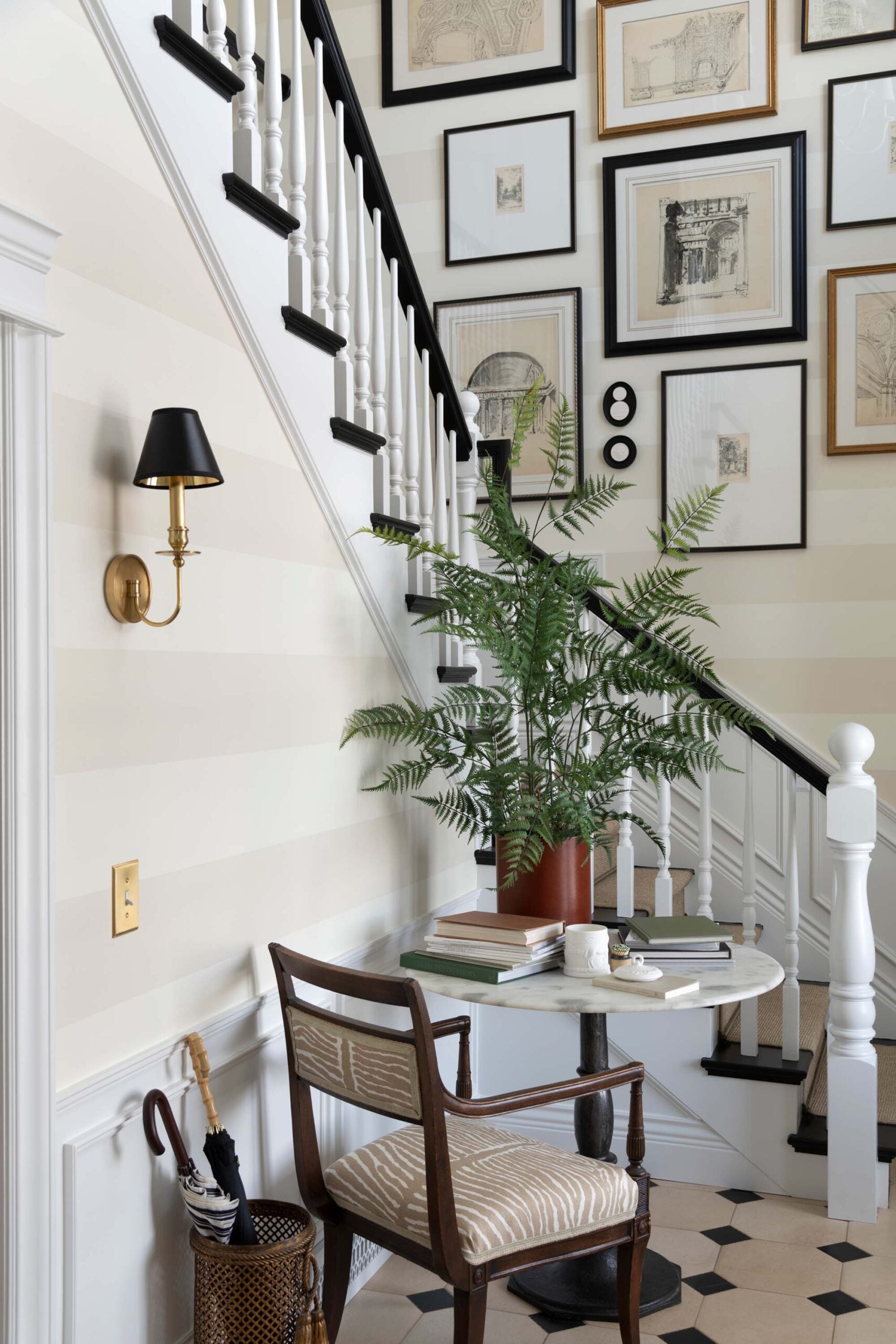
Your home design style acts as a filter for every decision you make. When you understand it, you stop second-guessing yourself and start designing with intention. A clear sense of style creates visual consistency from room to room, guiding you toward pieces you genuinely love long term, and it helps you avoid impulse purchases. It also makes it easier to blend old and new in a way that feels intentional. Design becomes much more intuitive when you have a point of view. Even as your taste evolves, having that baseline brings clarity to the process and makes designing your home far more enjoyable. Here are some tips for doing just that…
Start By Filling Your Home With Things You Love
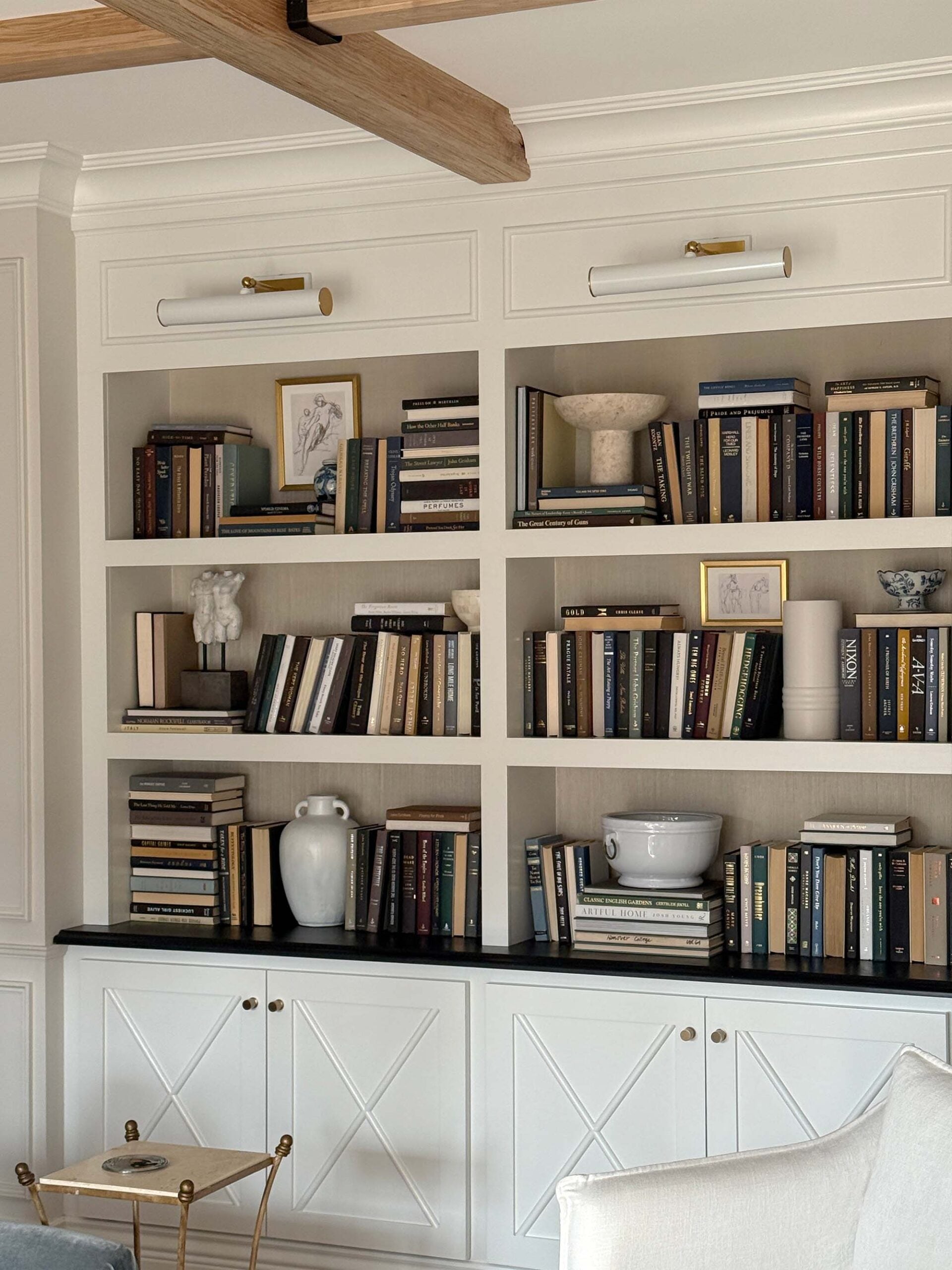
I believe that a home should represent its inhabitants. Your existing preferences are the clearest clue to your home design style. I love visiting the homes of friends & family members, purely because I enjoy seeing how it reflects their unique personality and interests. Fill your home with things that bring you joy and reflect those who live under your roof. Emmett and I fill our home with meaningful things from our travels, art that reflects our interests, books that we’ve read and loved, vintage items that spark memories, or even something pretty or random that just felt like it belonged. Obviously, I’m into using our home as a creative outlet and it’s our safe haven, but it also tells the story of us.
Let Your Home’s Architecture Lead
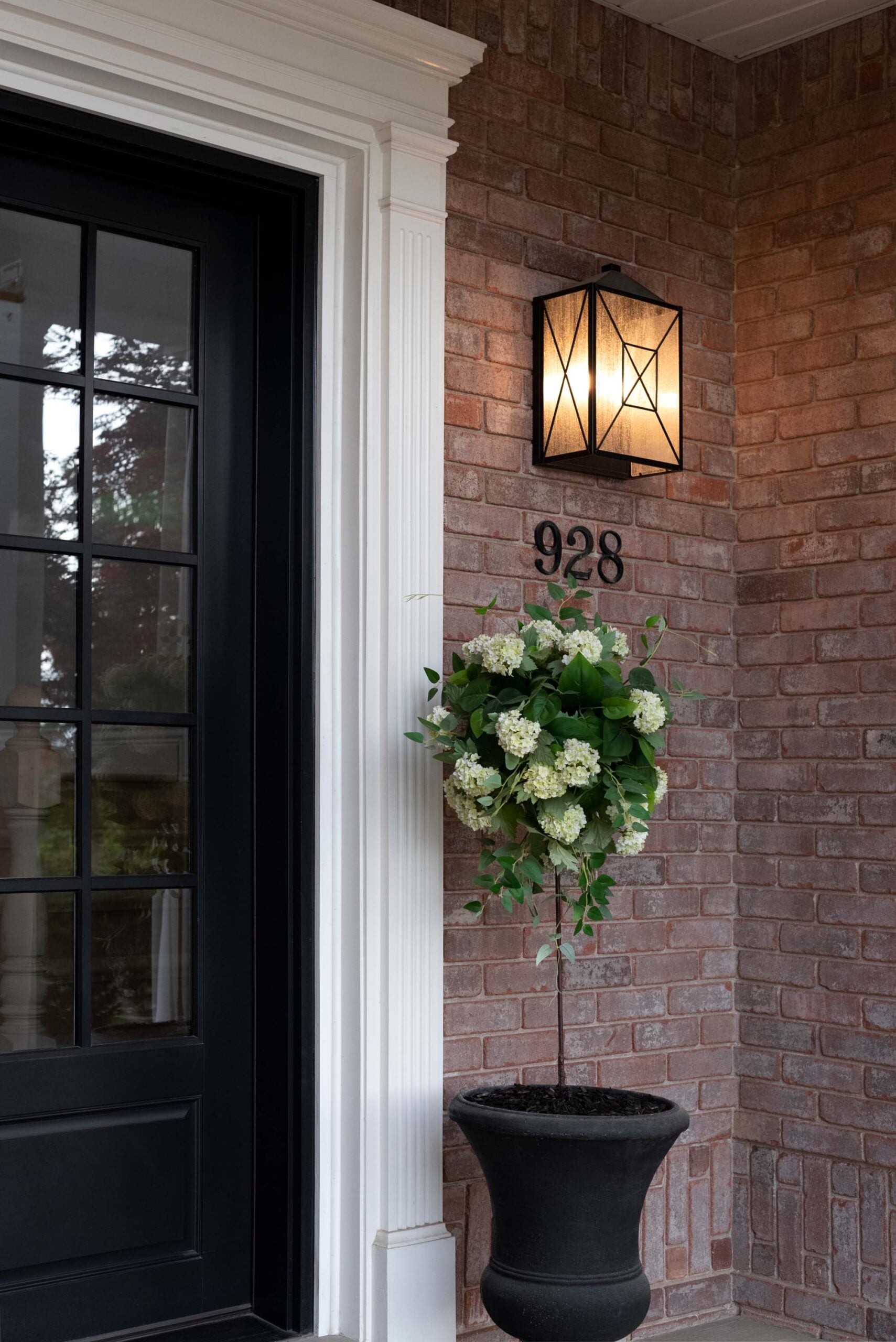
Contrary to my last point, I am a believer in understanding the architecture of a home and making informed renovation decisions based on those design principles. This concept pertains more to millwork & architectural elements and less to furniture & decor, but it still contributes to your overall aesthetic. A traditional home often lends itself beautifully to classic or transitional interiors, while a mid-century home may feel best with cleaner lines and simpler forms. This doesn’t mean you can’t mix styles. It means your architecture should anchor your decisions, not fight them.
If your home doesn’t have a particularly distinct style, I think you have more room to get creative and move forward in whatever direction you prefer, but for us- our home architecture obviously mimics a Georgian colonial and I’ve enjoyed revisiting my books from design school to understand what principles I can apply to enhance the overall look and embrace that specific architectural style.
Consider Your Location
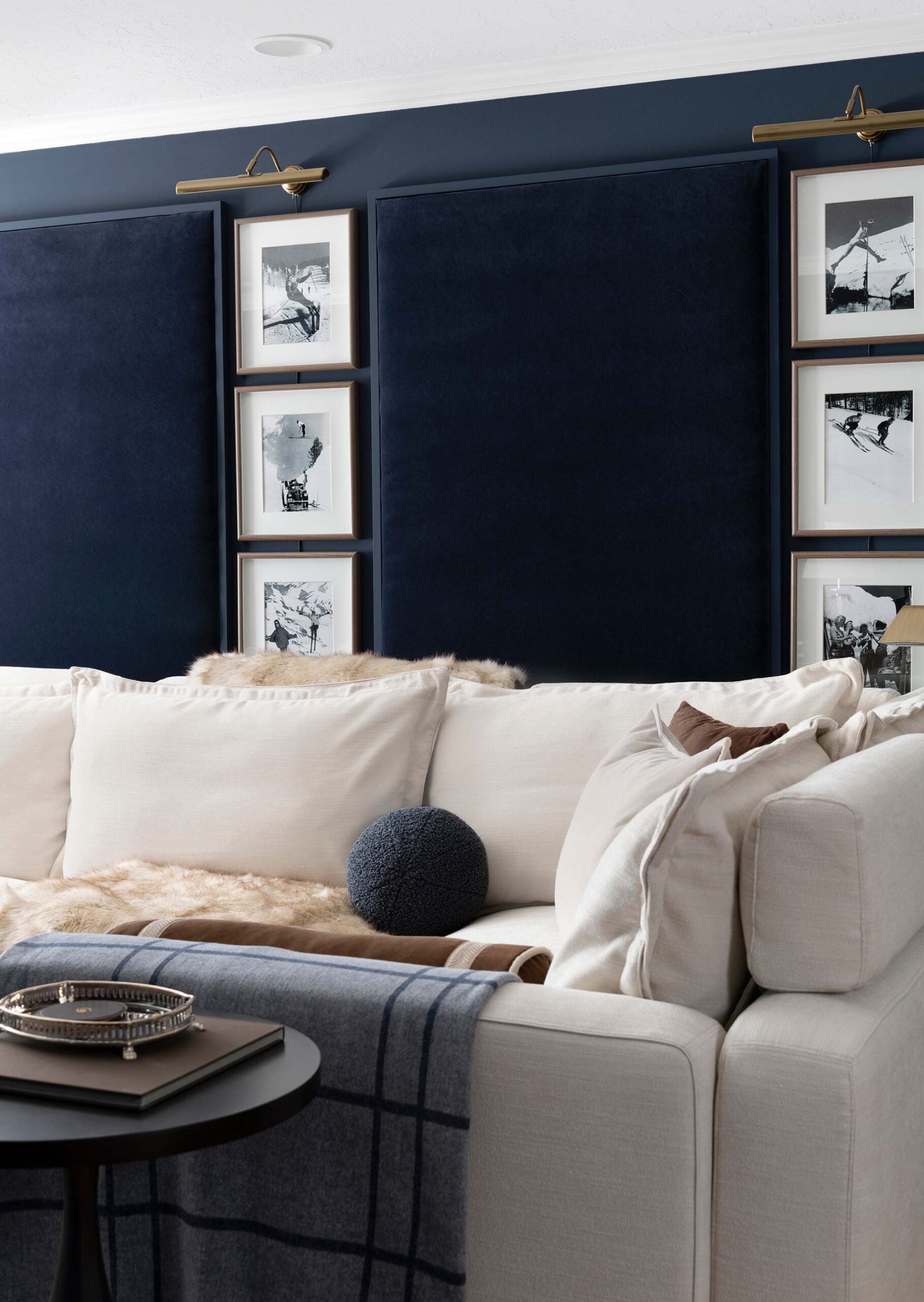
Your location can and should influence your style. If you live in a very rural area, your overall aesthetic and perhaps farmhouse style architecture will probably look & feel a bit different than a brownstone squeezed into a bustling cityscape. I’m a fan of integrating subtle elements from the environment and location, where form and function reflect your setting.
For example: if I had a home on the beach, I may opt for cedar shake siding or shingles, board & batten, and lighter natural materials (linen, cotton, jute, etc). Whereas, for our cabin in the mountains, you’ll probably notice more warm and heavy materials (think wool, sheepskin, fur, leather, etc). I’m not encouraging a theme (I actually would advise against that), I’m just reiterating to choose materials, furniture, and decor that are functional and appropriate for your climate and location. Your location can really help you hone in your aesthetic, purely based on function.
Pull Inspiration With Intention
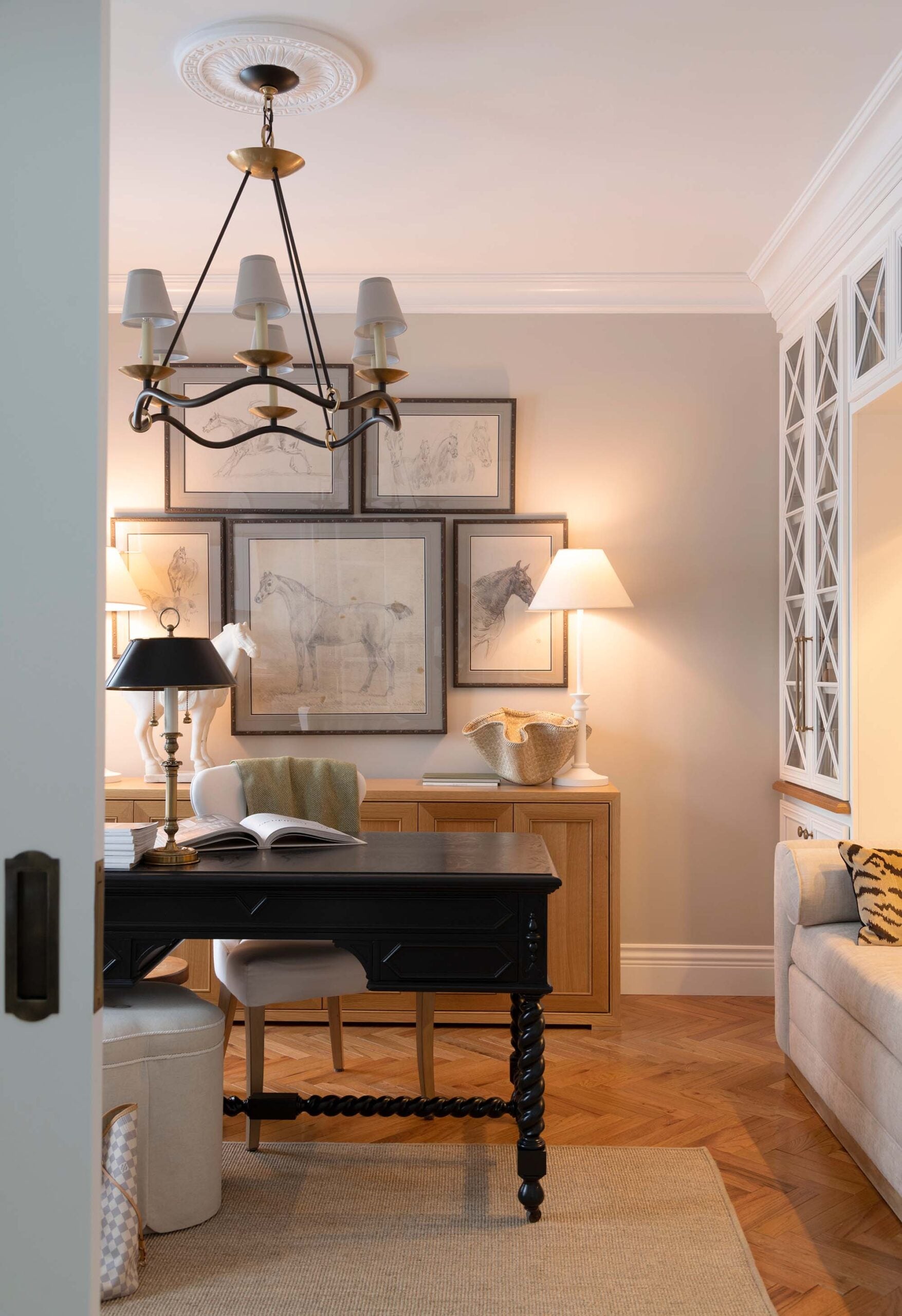
Really take the time to analyze your inspiration and determine what exactly it is you like or dislike about a particular space. Jot down reoccurring themes- that can really help you hone in and discover your preferred aesthetic. It may also be helpful to examine your own home in 2-D. This allows us to look at our space from an outsiders perspective. What are your favorite elements in photos of your home? What are some things that feel amiss, that you stopped noticing in person? How can you make positive changes that better fit your aesthetic or needs? These exercises are both fun and helpful!
As you review inspiration images, pay attention to repeating color palettes, similar furniture shapes or profiles, and whether the spaces share a consistent level of contrast or softness. Notice the overall mood as well, since that emotional quality often matters more than any single design detail. Ask yourself whether you’re drawn to tailored, structured rooms or spaces that feel relaxed and layered. Consider if you prefer bright and airy interiors or ones that feel warmer and more moody. These cues reveal far more about your design style than surface level aesthetics alone.
Define What You Don’t Like
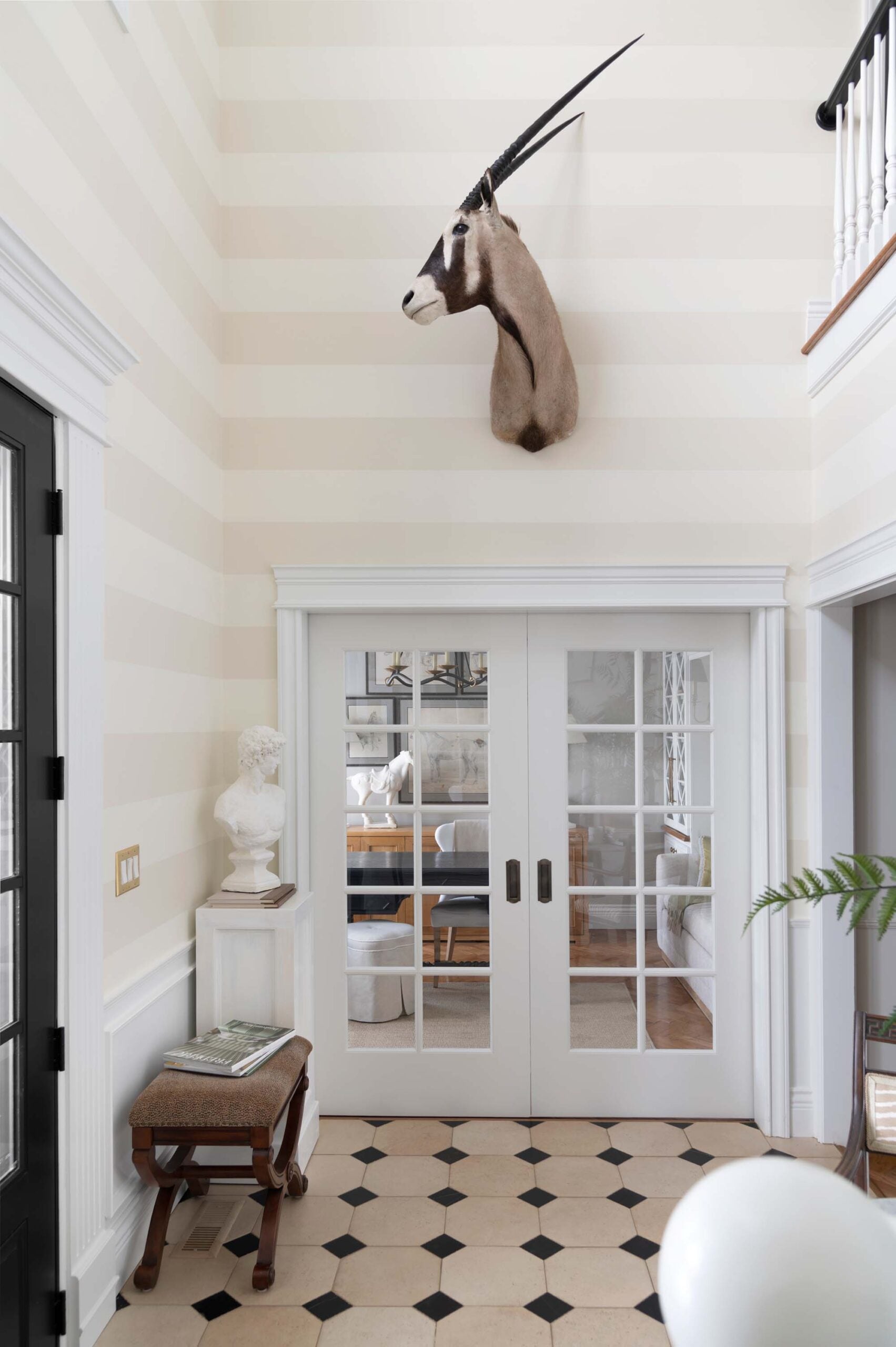
Sometimes clarity comes from elimination. Knowing what you don’t enjoy is just as important as knowing what you do. If a space feels too stark, too busy, or too trendy to you, take note. Those reactions help refine your taste and keep your design choices aligned with your long-term preferences. Editing and allowing for negative space is really an art. This task alone can prevent expensive missteps.
Blend Personal Style With Practical Living
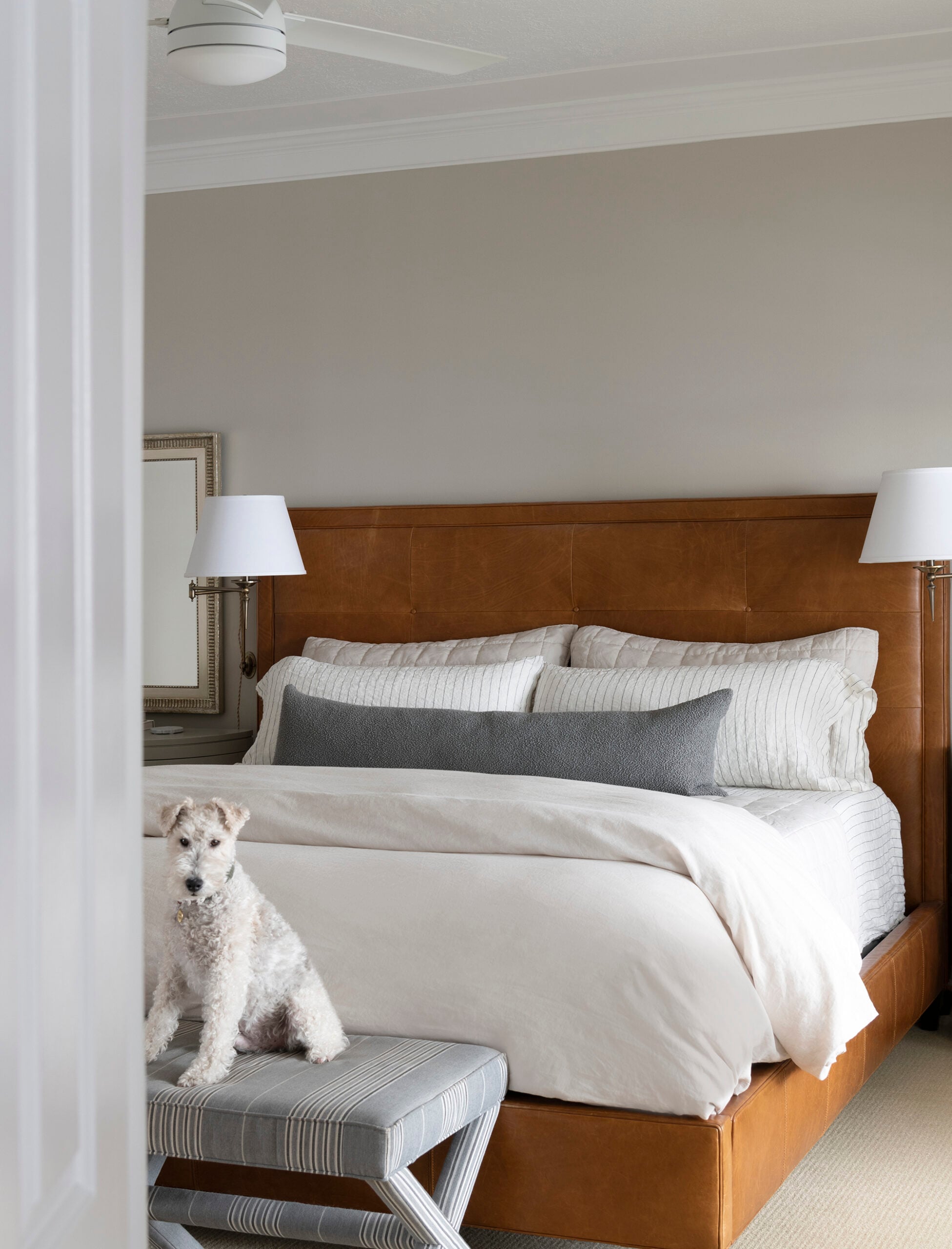
Your home design style should support how you actually live. I want to touch on embracing your home as is, in its current state… we have plans to renovate every inch of our home. I’m excited that we plan to be here for a long while, but- it’s interesting to see when friends or family come visit and they can easily tell which rooms are complete and which spaces we’ve yet to tackle. It’s very much a work in progress. Despite the obvious giveaways, like half installed flooring or drywall patches, we try to embrace the process, really live in our home (even the unfinished parts), and of course we look forward to the day when each room feels representative of our aesthetic and style.
I actually really enjoy knowing that people can clearly recognize which rooms are finished solely based on our defined aesthetic. A beautiful space that doesn’t function well will never truly feel finished. The best interiors balance aesthetics and function seamlessly. That balance is what allows a home to feel timeless and livable, rather than styled solely for a photo.
Simple Exercises to Clarify Your Design Style
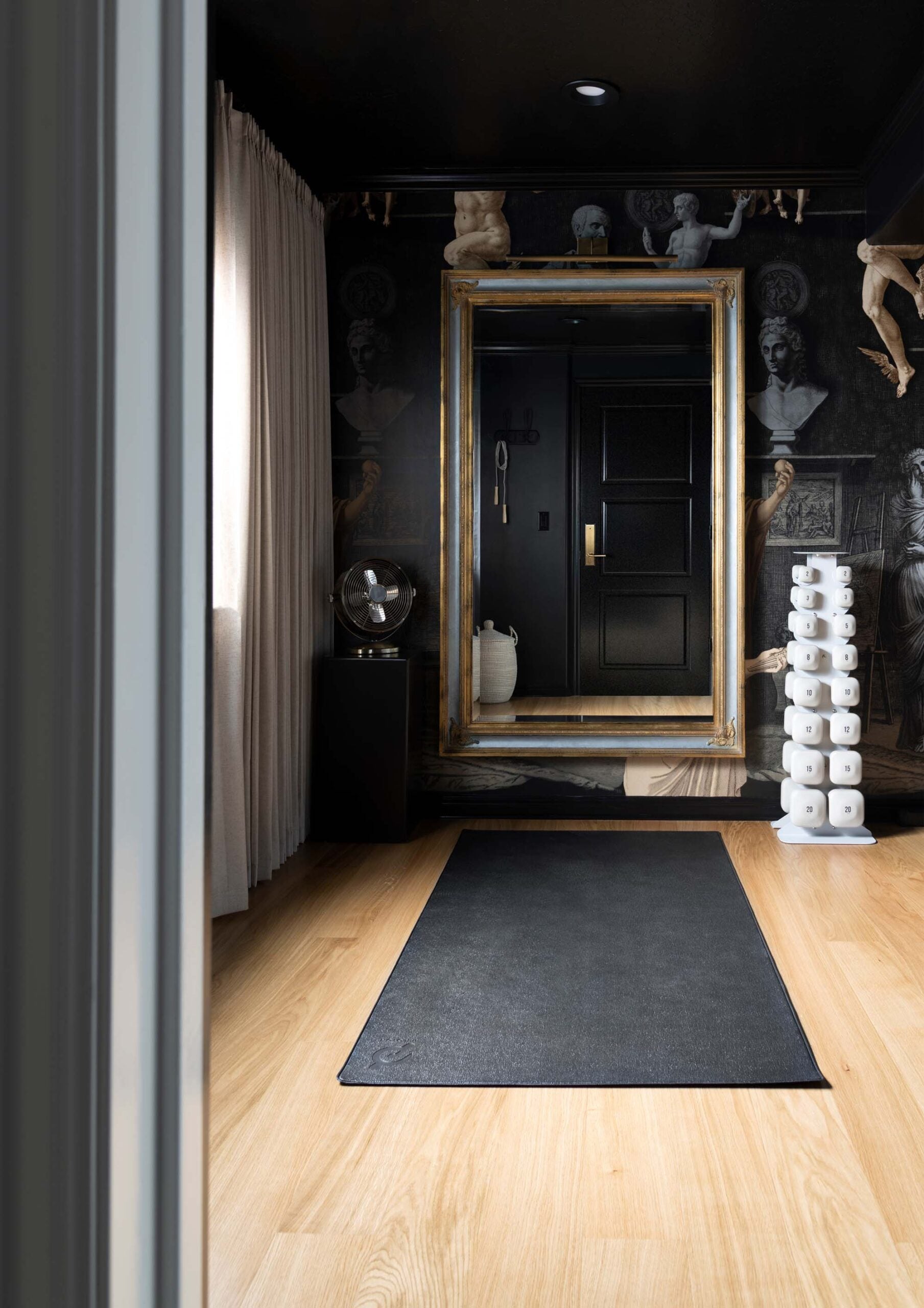
If you still feel unsure, a few intentional exercises can bring surprising clarity… give these a try:
- Start by writing down five words that describe how you want your home to feel, focusing on mood rather than specific styles.
- Take photos of your favorite vignettes of your home and look closely at what they have in common (color, texture, scale, lighting, etc).
- Spend time editing your inspiration boards, keeping only the images you truly love and would happily live with long term. Over time, notice the styles, spaces, and details you consistently save. If you repeatedly love warm woods, classic silhouettes, layered textiles, or neutral palettes, that’s not accidental.
Remember that it’s ok for your aesthetic to change as you age, grow, learn, and your interests shift. It’s also perfectly normal to pivot your interior aesthetic altogether when moving (especially if your new and previous home look nothing alike or are in totally different locations). When looking back at the first interior spaces I designed- like my college dorm room, I can still recognize things that feel very Sarah, while other items make me cringe a little. It’s all a part of our design evolution as we learn and grow.
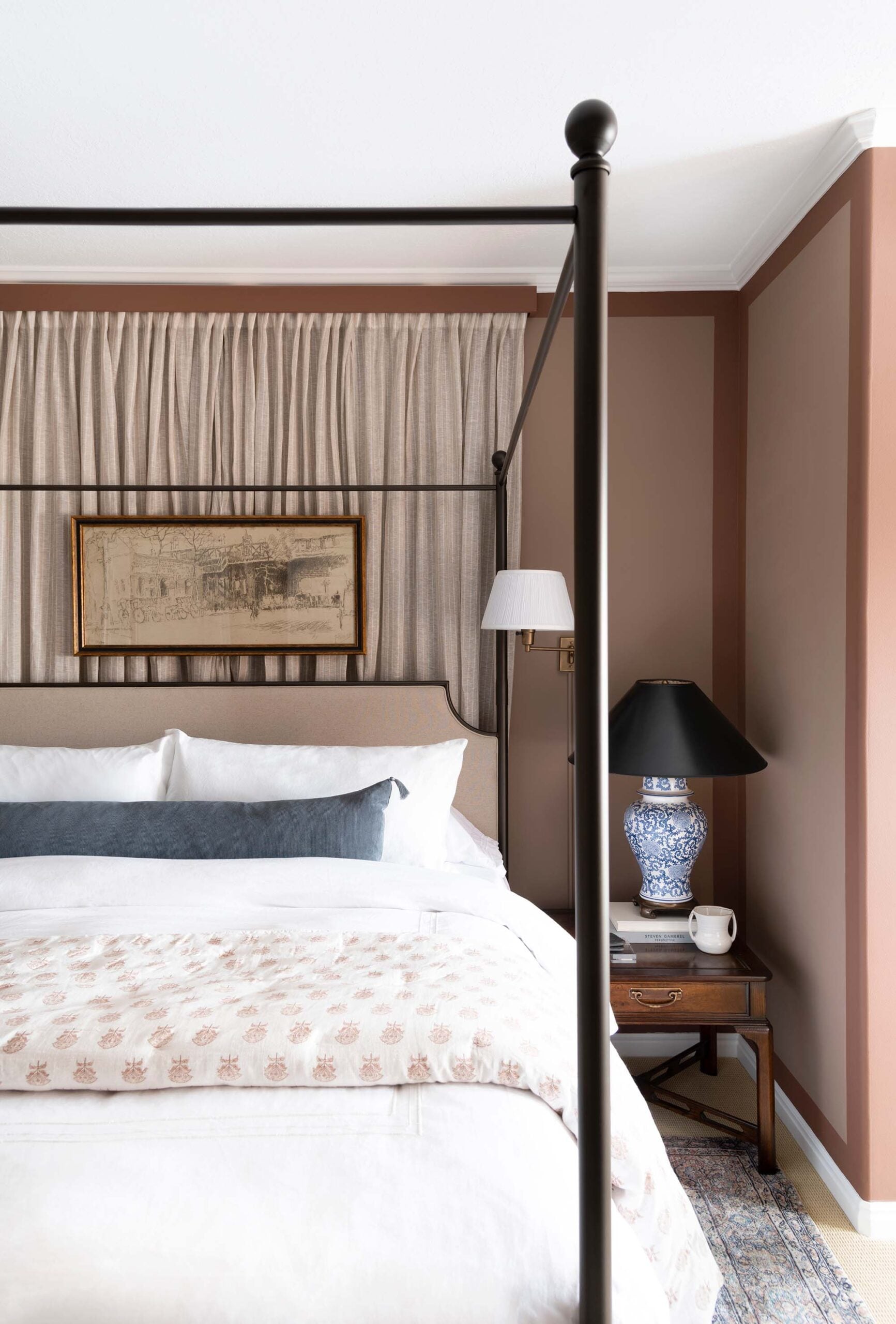
To get a bit more personal, at this stage in my life, my current home aesthetic goals are as follows (the top five)….
- Be patient. Renovate slowly and embrace the process. I’ve learned allowing myself more time typically yields a better design outcome. Home renovating for us is a marathon, not a sprint!
- Think long term in selecting classic and timeless materials or investment pieces, with an emphasis on quality. I’m not trying to renovate again in 10 years. I’m thinking decades.
- Keep cohesive with our Georgian colonial home- an architectural style I really love, as we update and renovate.
- Only bring items into our home that we really love and enjoy… especially mixing in old pieces with character.
- Balance form and function… I’m all about beauty and design, but I also want comfort and practicality these days.
Questions?
That may be a topic for another post! Back when I was taking interior design clients professionally, I certainly had some instances where I felt like a marriage counselor trying to strike a compromise (in terms of design). Ha! Look for overlap. Shared colors, materials, or moods can bridge different preferences and create a balanced design. Really lean into decisions based on your architecture and location.
Creating a whole-home mood board is a great place to start. I love using a combination of inspiration images, color swatches, material samples, and even snippets of past designs I’ve saved (from my own work or others). Pinterest boards are a free and easy way to do this! I shared my full mood boarding process here: how to make a physical interior design mood board… if you’re curious about how I plan cohesive spaces room by room.
Absolutely. The key is balance… choose a dominant style and use elements of others in a supporting role. Keep color palettes and scale consistent to make it feel cohesive. I use the same brass door hardware throughout my home for a unified design.
Absolutely- I feel like your home should always be a reflection of your personal aesthetic, interests, and taste. Do what feels right to you! As the saying goes, “design rules were meant to be broken.” I’m a rule follower myself, but that’s just my personality. If you want to do something totally different inside that doesn’t match your exterior, you should go for it. If you would like the inside and out to look a bit more cohesive, insert your personality with decor and furnishings!
Related Posts
I’ve got many more posts associated with “how to” assist with various design dilemmas. I hope these links will help inspire you to DIY your next home project with ease…
- How to Design a Cohesive Home That Flows Room to Room
- How to Choose the Right Wall Trim and Baseboard Style for Your Home
- How to Style a Bookshelf: Easy Designer-Approved Tips for a Curated Look
- How to Choose the Perfect Rug for Any Room
- How to Select Different Countertop Edge Profiles
- How to Plan and Design a Shower Niche
- How to Thrift Books Like a Designer
- How to Layer Lighting Like a Designer
- How to Mix Metals in Your Home Like a Designer
- How to Make a Small Bathroom Look Larger
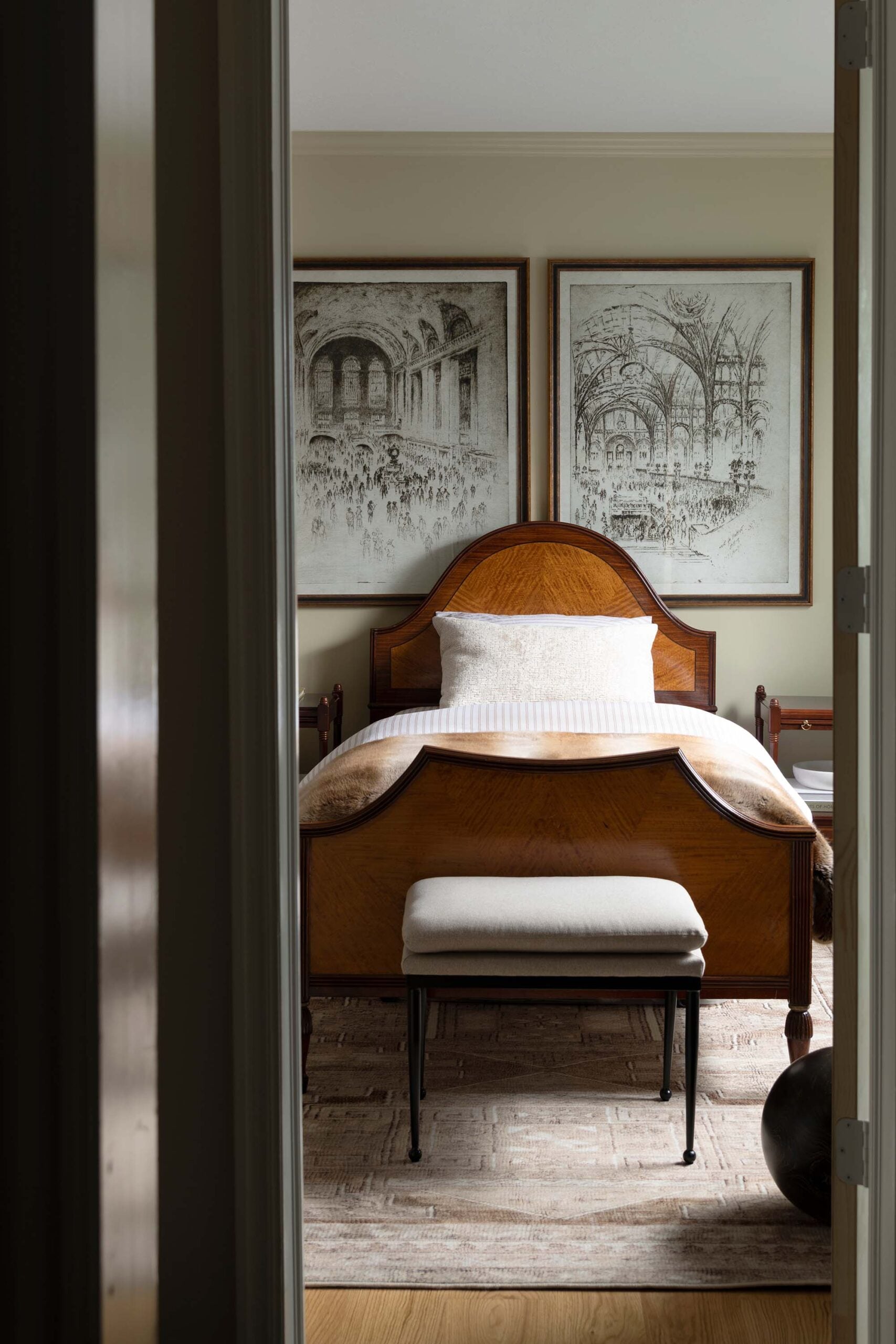
Finding your home design style isn’t about rules or rigid categories. It’s about paying attention, trusting your instincts, and making thoughtful choices over time. When you understand your style, design decisions feel clearer, purchases feel more intentional, and your home starts to reflect not just good taste, but your life. Design should feel personal, lived-in, and effortless. That’s always the goal. I’d love to hear your thoughts in the comment section below.
Good morning! Another thought-provoking topic. As I was rereading to organize my thoughts, a sentence jumped out at me. “I’ve always believed that your personal aesthetic is a blend of what you love and the home’s history or architecture.” Ding, ding, ding! This sounds exactly right to me. Few people ever ask me about my personal style. (Truthfully, no one. Zero people ask me about my style.) I do think about it though, and I usually find labels too limiting. I like what I like, and sometimes I can’t explain why! Colorful, comfortable, cool, casual. These are my criteria for furnishings and decor. For anything structural or more permanent, I think it’s important to look to the house for guidance. I don’t have great knowledge of architectural styles, so I try to think simple and original to the time period (while still providing modern function!). Our current home goals are in a holding pattern of sorts. I’m itching to refine and redo some spaces, but we will hopefully move in a few years (#retirement). Making lots of changes at this point doesn’t make great sense, so I’m focusing on what we need for function. (Also, dream pieces and lamp hoarding because I’m only human.🤣) I have a question about slow renovating and decorating. What if you get to the “finished” stage, and you want to start over? If completing your home takes 5-7 years, maybe you’re aesthetic has matured and changed. Is there a common timeframe when folks redecorate? I’m curious, Sarah! Hopefully others will weigh in. Have a super-lovely weekend! I can hear the wind in the trees rn; we’re do for a stormy weekend. 🤞🍁☂️
I’m with you wholeheartedly, Peggi… this sentence of yours was my favorite, “I like what I like, and sometimes I can’t explain why!” That was a ding, ding, ding for me, and I think that’s awesome. It’s all apart of what makes our homes unique and interesting. I also echo your sentiments on furniture & decor versus structural and permanent elements. A retirement move sounds exciting!! I think you’re smart to focus on function and refining given your plan and timeline. I really want to stay put in our house for quite a long time, but would love the opportunity to grab a second property someday (longterm goal). Who knows what the future holds. We just really like it here. It’s all good- I’m a lamp & light fixture hoarder, too. Haha! But really. I embrace that habit. I love your question about finishing a space. Here are my thoughts- it’s your home and you can update and renovate to your heart’s desire. If your aesthetic has evolved and it no longer feels like you, feels functional, and you dream of something else- I vote for making a change, because home should make us happy. Obviously this requires money and time, but if you have both of those and it feels right, I’m all about it… whether that’s five years, ten years, etc. I hope your weekend was a good one! We got your storms on Friday and it was wonderful to have a bit of rain!! xo
Wow, lots to reflect on here. I endorse that take your time and grow your style with quality items philosophy. I remember learning about period styles in junior high home ec class ( yah, it was a long time ago!) and loving the Victorian period. Really thankful that I didn’t have money then to furnish a house because I grew out of the fascination with all things bric a brac. One thing I give a lot more attention to in regard to making choices these days is ease of maintenance. For instance, the staircase with curved spindles I once loved no longer hold their appeal now that I realize that they are dust catchers. I would choose flat cabinets over shaker style, staircases with perhaps no spindles at all, Corian shower walls over grout between tiles. I agree that style is something you curate throughout your lifetime and it evolves with your person as you evolve. Thank goodness!
Maintenance is such an excellent point, Melanie! There are definitely things I’ve installed or purchased in the past that I’ve grown to regret because of that. I’m also thankful our style evolves with us, but it’s kind of fun to look back at the different phases and periods or fascinations we once had (Victorian for you, and probably Mid Century for me), ha! Thanks for sharing!
I’d love to see photos of how your aesthetic has changed based on spaces, starting with your college dorm!
Sadly, I didn’t take many images of my spaces back then, but I’m going to make it a mission to pull out my old photos and hard drives to see what I can find. Maybe I can dig up some good (and hilarious) photos! :)
“When looking back at the first interior spaces I “designed”- like my college dorm room, I can still recognize things that feel very “Sarah”, while other items make me cringe a little. It’s all a part of my design evolution as we learn and grow.”
This would be so interesting for you to explore more! If you haven’t already, I’d love to see you dissect your past to present spaces and explain your design evolution. I’m so curious! I realize that I fall prey to trends, and have a really hard time discerning what is my style, and what is just the trend of the day.
That would be a really fun post, Stephanie! I wish I had images of those rooms, but during that time- I didn’t think of photographing my interior spaces. I’ll have to see what I can dig up and pull out my old hard drives :) I definitely have fallen prey to plenty of trends, but I’d like to think making those realizations helps us develop a more authentic, timeless style. It has happened (and still happens) to all of us. It’s tricky!
I loved the entire post but the part about location really struck home. I have had 28 addresses- beaches, mountains, mid-west, north east, west coast, south; urban areas a stint in the country and multiple stays in the suburbs (big cities are my favorite, but not where I am now.) I am currently in the south. Light really is a function of location. The morning light here in the middle of North Carolina is just beautiful. It is soft and serene when the tree outside is full of leaves. It is bright and warming in the winter. I live between the mountains and the beach – so light and airy fits my aging eyes and my location. I have collected native American art for 40 years- and although it does not go with my location, it is my love and fits because it is my love.
Functionality and classic design go a long way.
Thanks for making me think.
28 addresses?! Wow!! I know that’s a lot of moving, but I think it would be so fun to have homes in such varied landscapes. I dream of designing different homes based on their location. I love your thoughts on light, KJ! Your current landscape sounds gorgeous, and I love hearing about your art collection- sounds incredible. That’s the beauty of home- filling it with things that bring us happiness, no matter where we’re located. Thanks for taking the time to share :) I hope you had a great weekend!
This is such an interesting topic to discuss. I don’t think I’d be able to define my own personal style, or narrow it down to one descriptive term either. I do notice that I tend to be more minimalist in functional spaces, and over the years I’ve grown weary of place holders. Now I narrow it down to what a space is lacking and I don’t mind having to hunt for the perfect version. I’ve also become more comfortable with layering. Whether it’s layering styles, colors or patterns, in the days of the Alexander house I would have never dreamed of doing that.
You make an interesting point about location of a home also factoring into its style. I completely agree. In this home I find myself drawn to more nature inspired elements, due to our far more rural setting. My love of nature, animals, and landscape inspired colors definitely reads through in this home, but would have been out of place at our last one.
As we renovate my main goal is to remain true to the architecture and style of our home, and bring the traditional elements back that were either never here or were stripped away. The secondary goal is to bring more function to our spaces either by strategically floor planning or repurposing rooms that in their current state, don’t make sense for a modern family. Quality of materials also comes into play, along with functional decor that does double duty.
You always bring food for thought Sarah, and this post wi be one I refer back to as I tackle my spaces. Wonderful design discussions! I hope your week is off to a great start!
Isn’t it fun to look at how our style and priorities have changed over the years? I’m with you getting more comfortable with waiting for the perfect piece, layering, and considering function just as much as form (that was a big lesson for me over the years). I think all of your goals for your current home sound spot on, Lauren! I’m excited to hear about how things evolve as you tackle those remaining areas in your house :) Here’s to a great week ahead!! xo