
Subway Tile Ideas That Feel Classic, Not Basic
Let’s talk tile, friends. It’s only natural to get bored with something after you’ve seen it a million times on Pinterest, Instagram, or installed in five of your neighbors’ kitchens and baths. Something becomes “trendy” and runs the risk of feeling dated when a material or design is overused. That doesn’t mean a material is no longer relevant— it just means you have to be thoughtful in how you install and design it, if you want it to withstand the test of time. The key to using subway tile in a way that won’t get old is to look to history for inspiration. In doing so, you’ll find craftsmanship and intentional design. I want to share some subway tile ideas for making this amazing and affordable option feel fresh again!
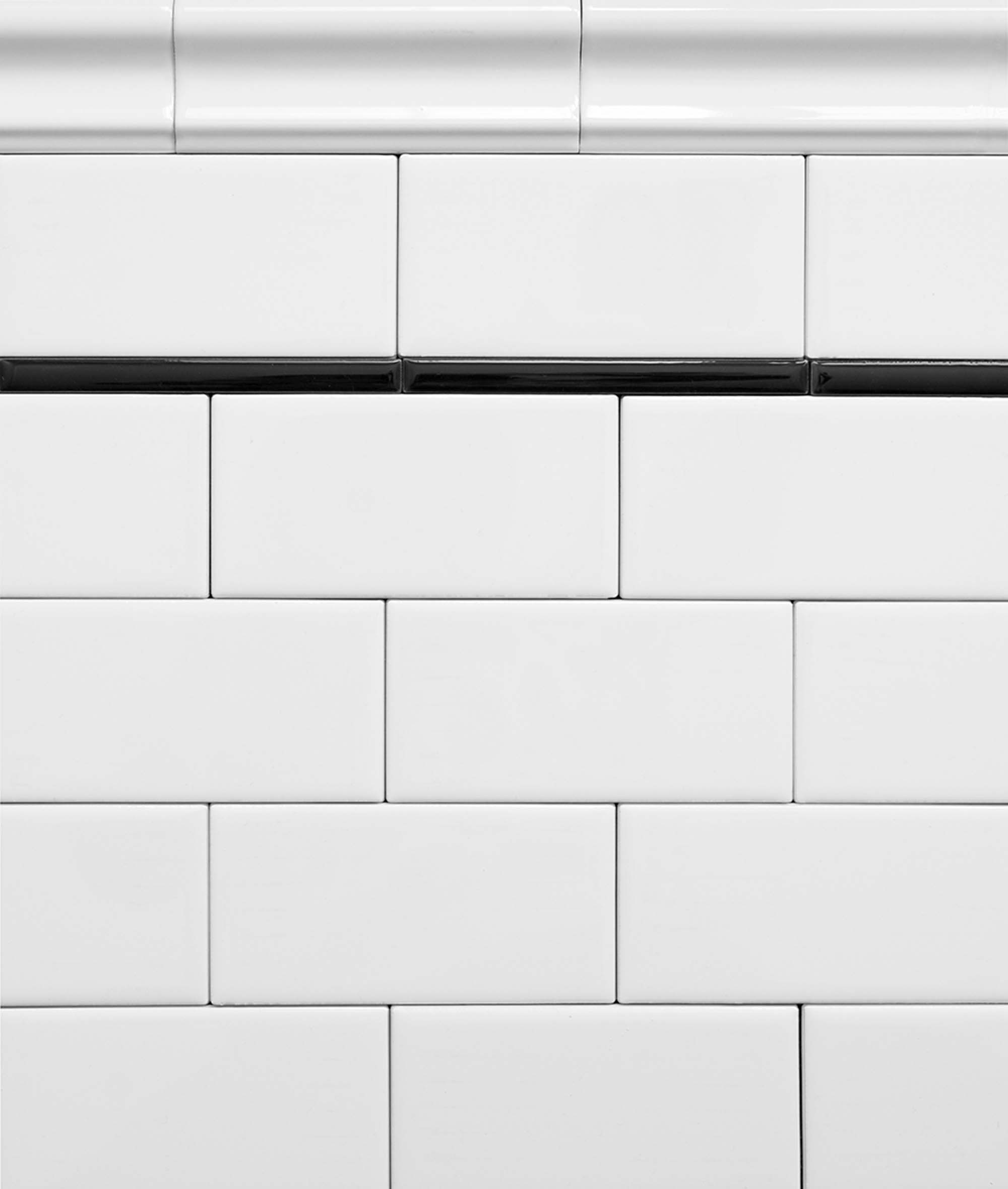
When I originally wrote this post, I was about to install subway tile in our guest bathroom. There was a reason I chose it then, and there is a reason I still love it now, nearly a decade later. Subway tile is an affordable classic that can take on almost any personality. We have used these subway tile ideas in many of our bathroom and kitchen renovations. Most recently we color blocked the shower in our cabin main bath. I can’t wait to show you the tile we are using in our primary bath renovation– stay tuned for that reveal (it’s also subway). Scroll on to see my best tips for how to make subway tile feel timeless…
Use Tile Trim Pieces
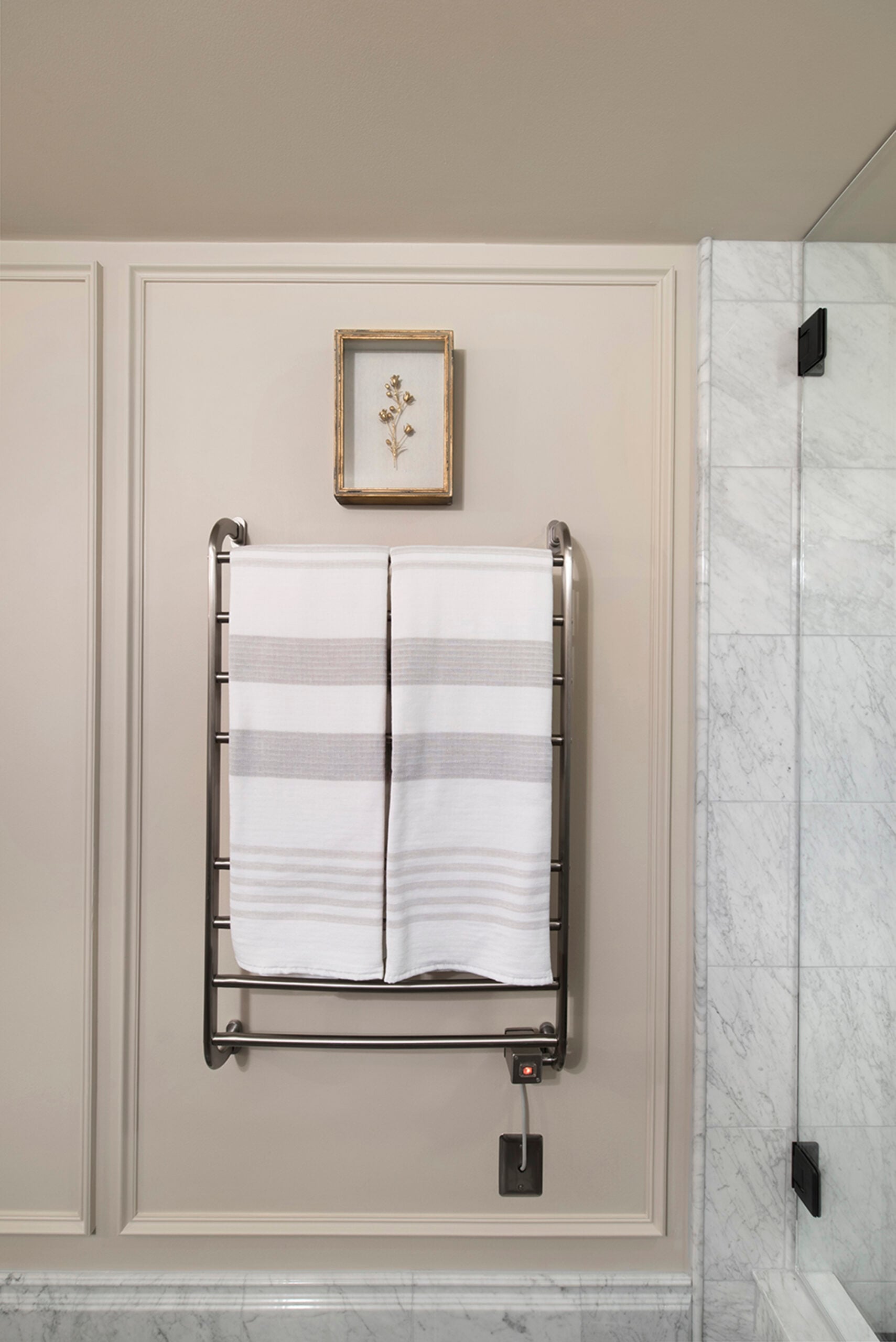
This applies to any tile installation: if you want it to look finished and tailored, use trim pieces… like we did in our basement bathroom (pictured above). No matter your aesthetic, make sure the visible edges look and feel finished. Even if you’re shooting for a modern aesthetic, be sure to cap the tile with a line of simple bullnose tile or install a piece of pencil trim. I’m a details person and I promise— finishing pieces make all the difference!
Consider a Subway Tile Border
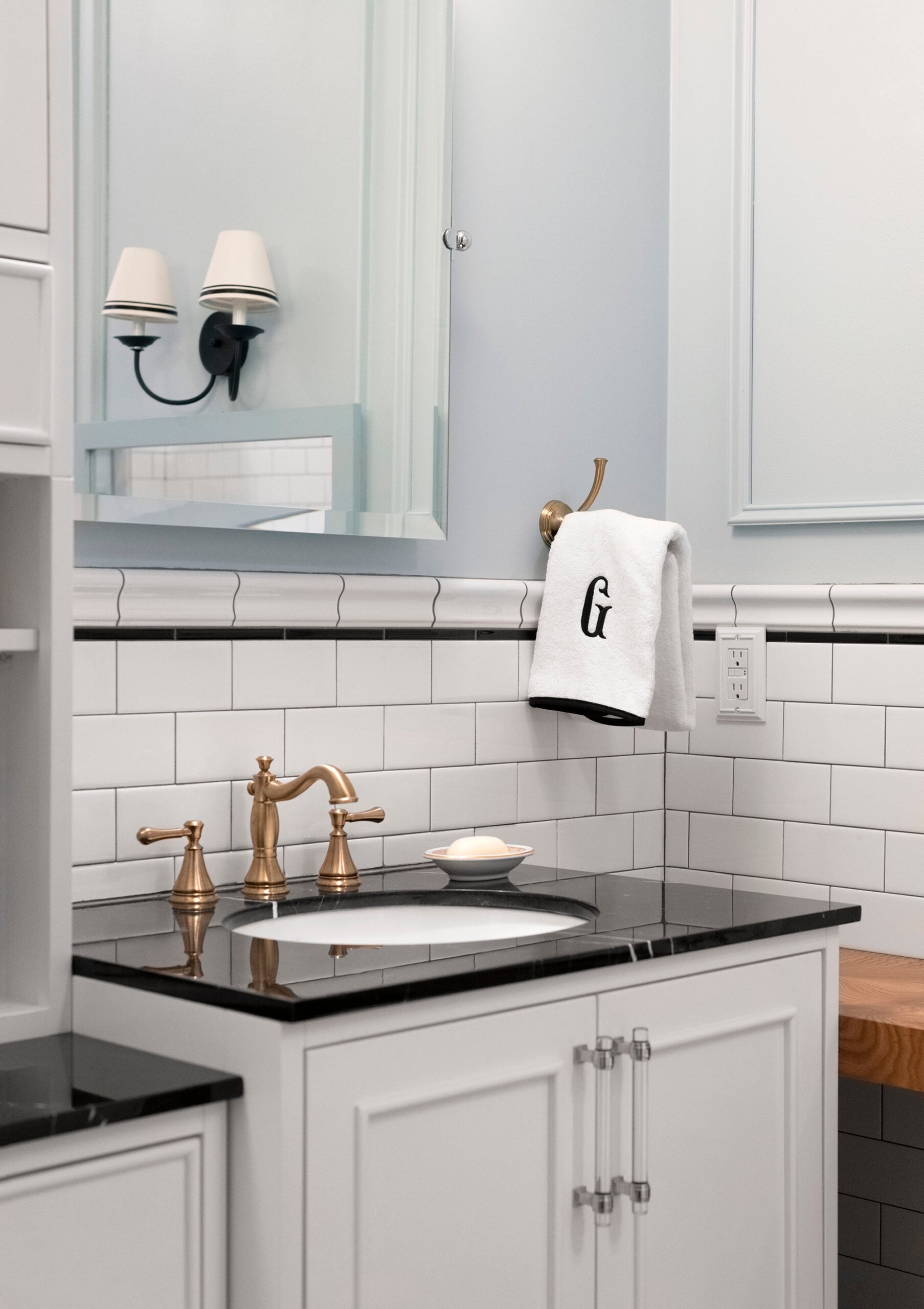
The beautiful thing about subway tile is that it comes in a variety of shapes, sizes, and colors. Don’t be afraid to add a little contrast with an inset border. I implemented a contrasting border in our guest bath. I used a glossy black base tile, pencil liner, glossy white subway tile, and glossy white chair rail tile for a cohesive look. That graphic detail was one of the parts of the design I was most excited to see installed. You could even use a different material! Carrara marble, for example, pairs beautifully with classic white subway tile. This technique can be found in historic bathrooms, where borders were used to create structure and definition. The key is restraint. A border should relate to the architecture or another material in the room.
Try Color Blocking
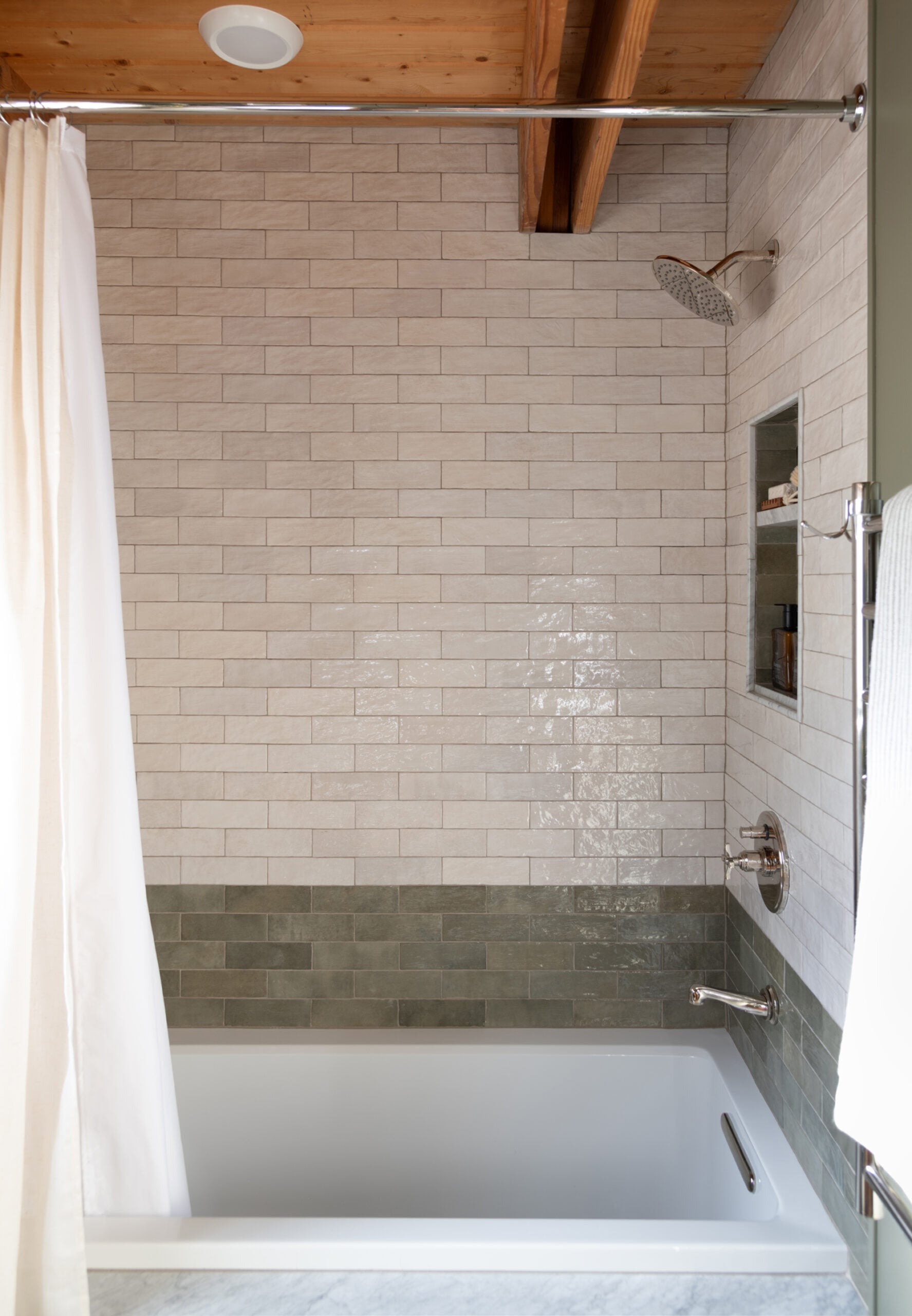
This is a great way to elongate a space or break up a field of tile. It can also make a bathroom feel more architectural without requiring an expensive decorative tile. Pay close attention to where the color changes. Aligning that transition with a ledge, window, vanity, or another architectural feature will make the installation feel much more intentional. In our cabin main bath reveal (pictured above), I elongated this wall with color blocking… which is where my idea to install two-toned handmade tile came from. By keeping the darker tile weighted toward the tub, and the lighter at the top, with the right proportions, the ceiling suddenly feels taller, and the vignette more interesting.
Give Colored Subway Tile a Try
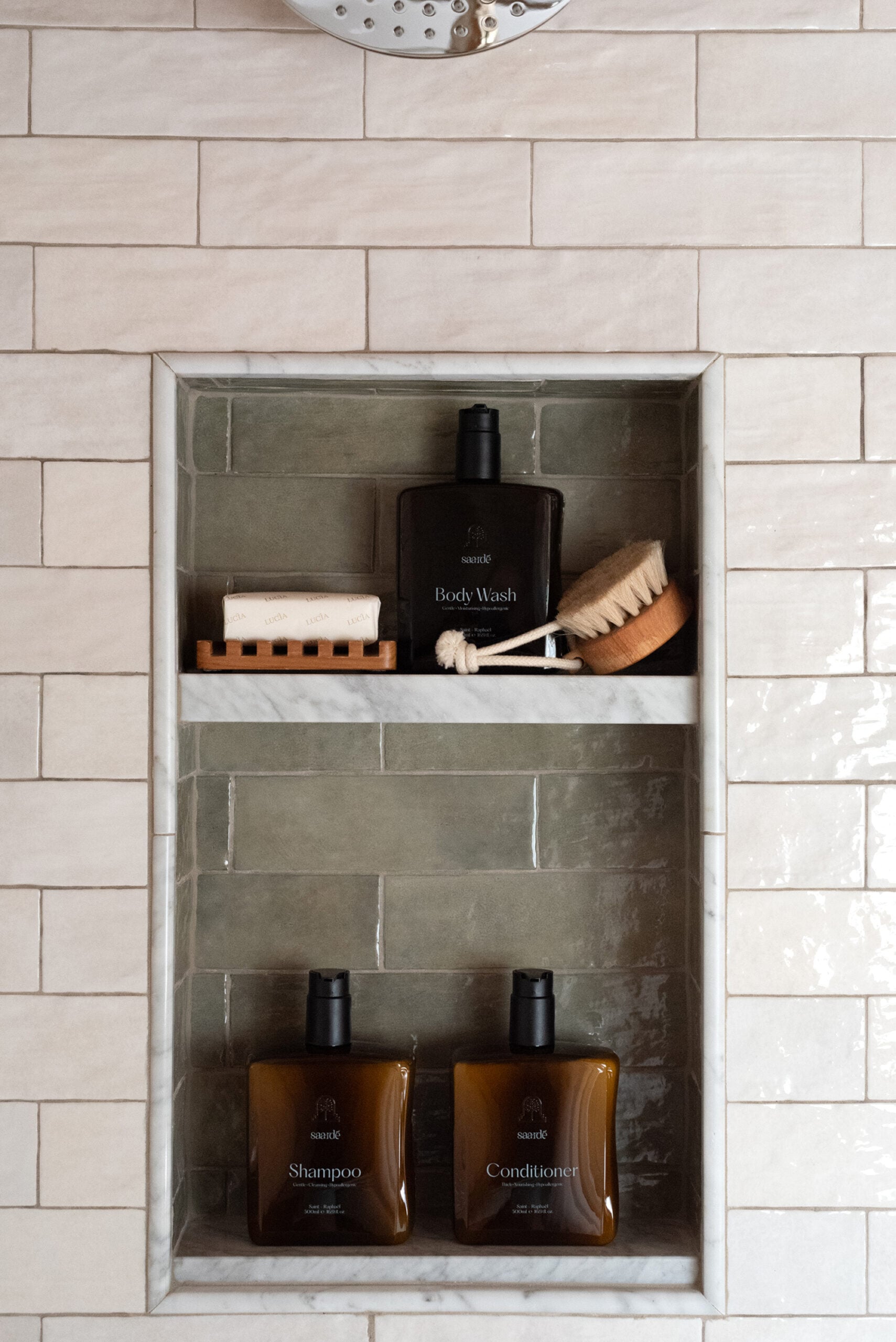
White is not the only classic option. Creamy neutrals, blue, green, and other muted shades can give subway tile more depth while maintaining its familiar shape. Choosing colored subway tile is one of the easiest ways to make this material feel fresh without relying on an overly trendy pattern. Always bring samples into the room before making a final decision. Tile color can change dramatically depending on the lighting, cabinetry, and countertops surrounding it. The kale green subway tile in our cabin mail bath reveal is a great example of colored subway tile (pictured above.)
Use a Different Subway Tile Pattern
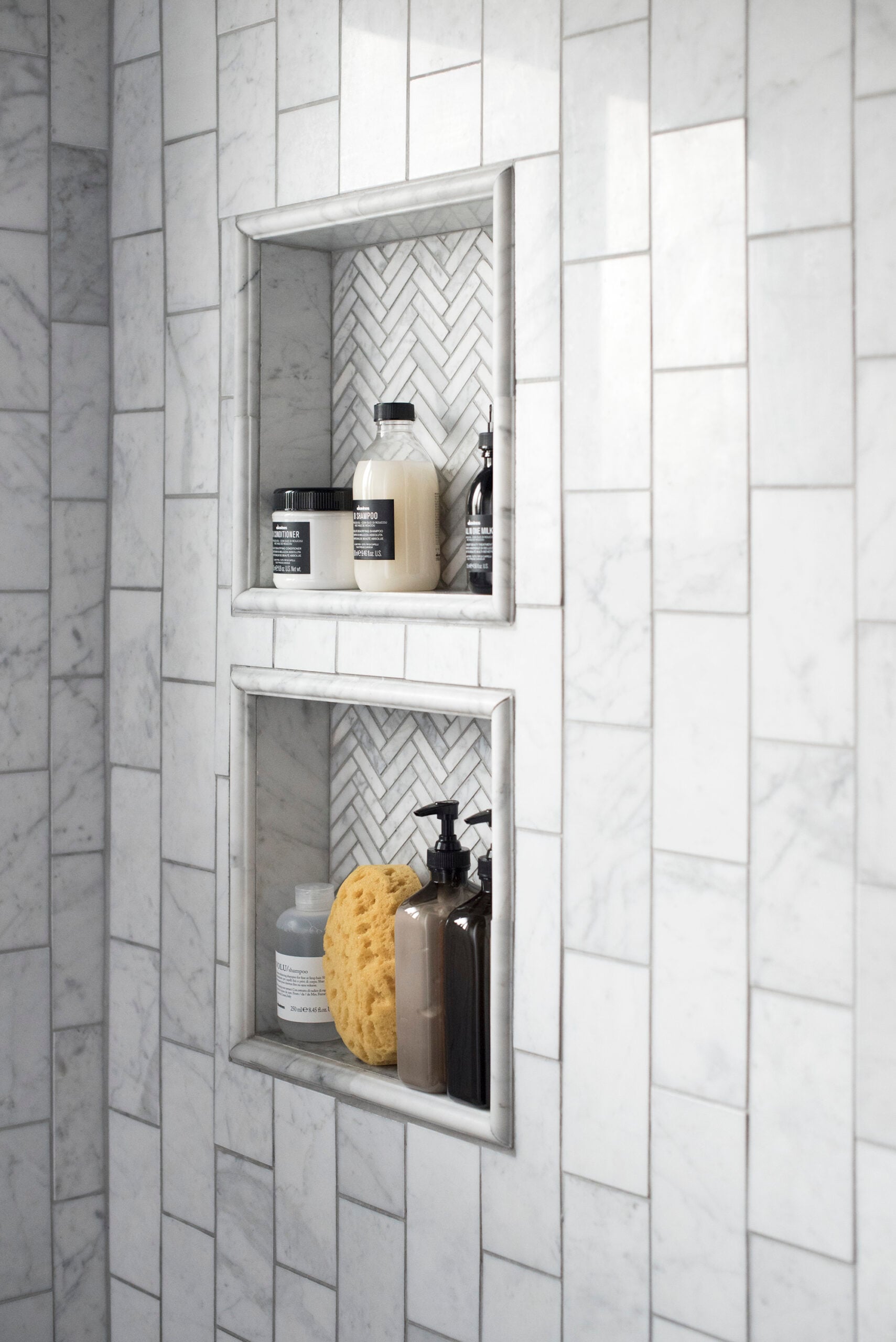
Try running subway tile in a different direction or pattern. This is the easiest way to make an impact using what you already have. A traditional running bond feels familiar and historic. A stacked layout looks clean and contemporary. Layered herringbone fields add movement in a niche, while a vertical pattern draws the eye upward. Let the room guide the pattern. If you already have patterned flooring, prominent stone, or detailed cabinetry, a simple layout may be best. If the other finishes are restrained, the tile pattern can carry more visual interest. Remember, when I ran the tile in my previous bathroom vertically to trick the eye into thinking the ceiling height was taller than it actually was? That’s another designer trick using tile orientation.
Experiment With Subway Tile Scale
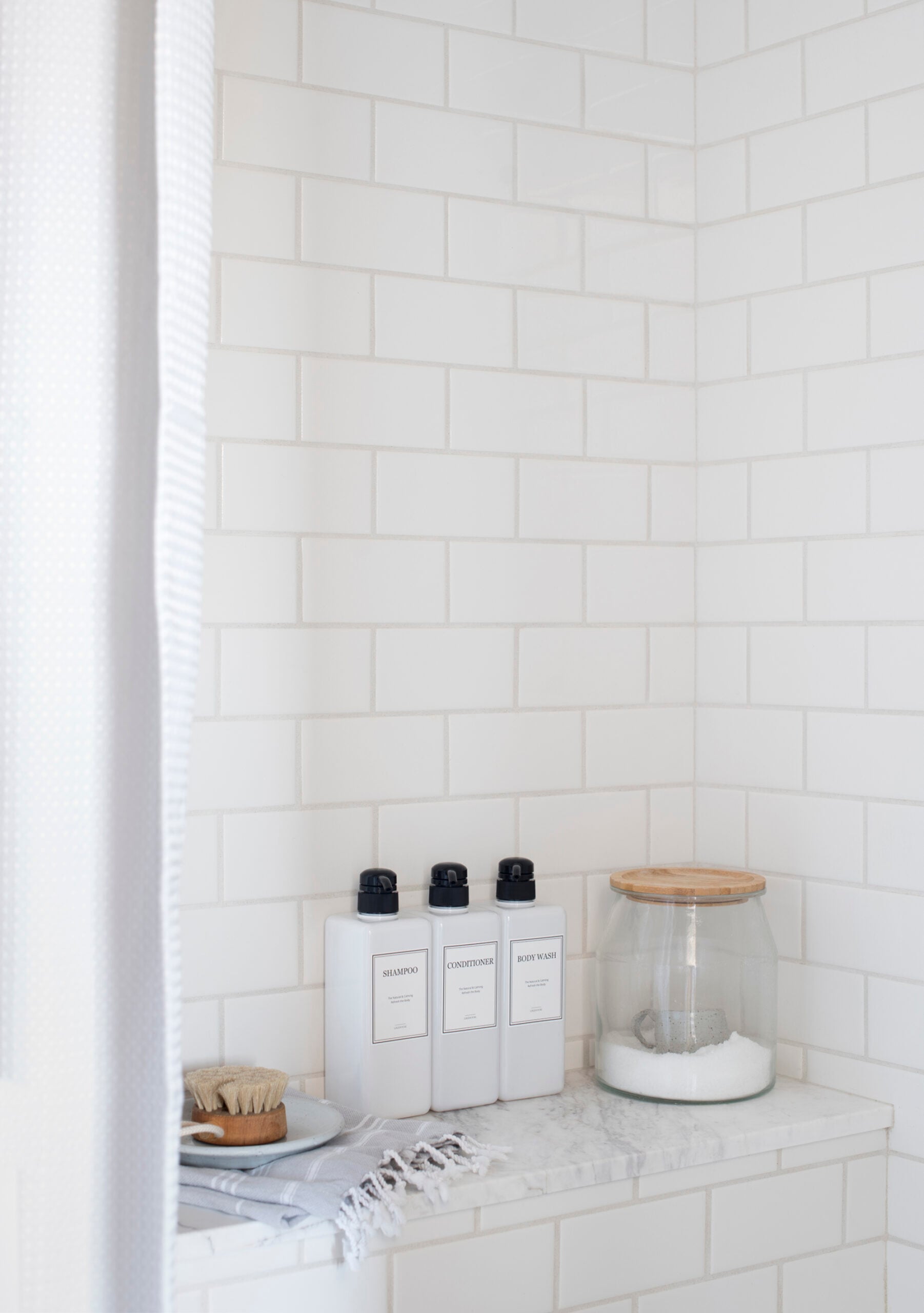
Traditional subway tile measures 3×6 inches, but there are plenty of options that push the scale of subway tile in a unique direction. An elongated subway tile can make a room feel more contemporary. Smaller formats often work beautifully in older homes and compact spaces. Before ordering, arrange several samples together or tape the tile dimensions onto the wall. One loose tile does not always tell you how the full installation will feel.
Explore Textured Subway Tile
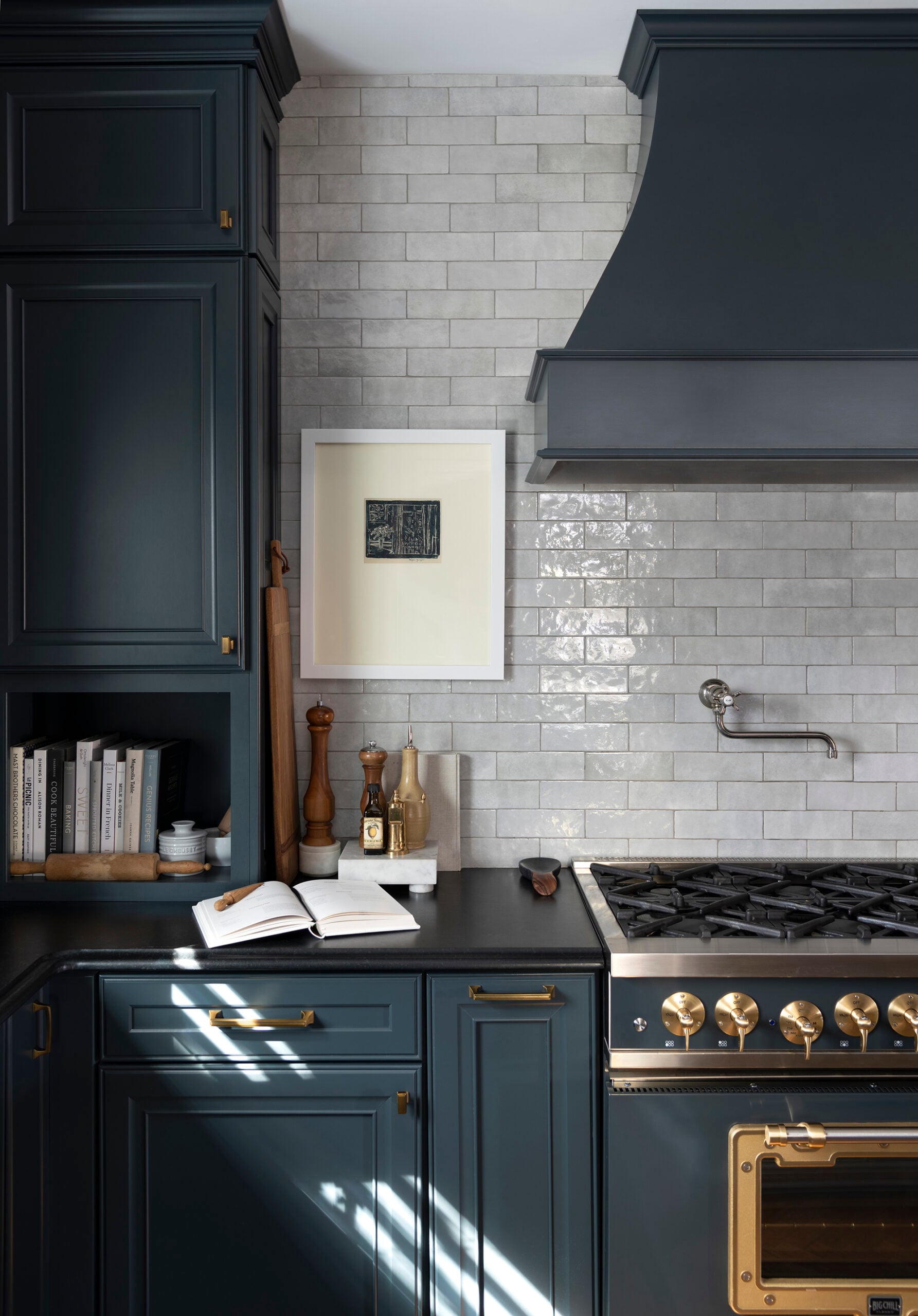
I’m still loving textural tile. These handmade and hand glazed subway tiles take on a very organic and natural feel that add a ton of depth and variety to any wall. They feel timeless and effortless, yet updated. The textured tiles certainly give off a more casual vibe. In our kitchen(pictured above) we used a stunning gray Bedrosians backsplash tile.
Create a Unique Tile Niche or Ledge
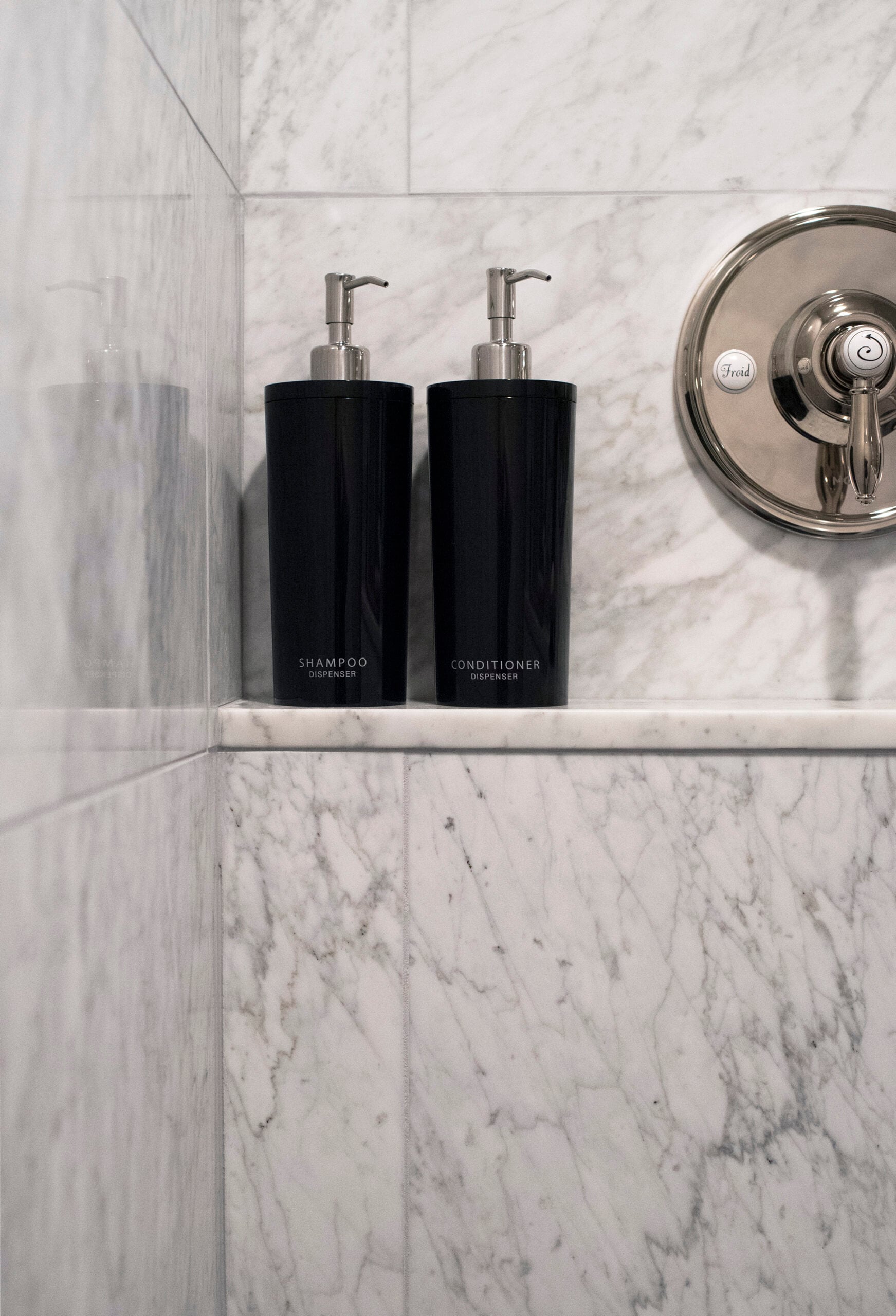
For added interest, I prefer to install a little contrast in the niche, or add dimension with an architectural ledge. Whether it’s the backsplash in the kitchen behind the range or cooktop, or a simple shower niche, a little contrast and depth goes a long way! You could trim it out with a different color, switch up the tile completely, run a different pattern, or play with scale. However you choose to highlight the recessed area, it will certainly add instant a designerly element. Here is how to plan and design a shower niche. Remember, we’re trying to steer clear of trendy.
Design the Surroundings

Lastly, the surroundings and accompanying design elements in a space highly influence a room’s look and feel. For example, if you’re installing subway tile because it’s a classic material, consider purchasing plumbing fixtures that will also withstand the test of time. Everything that goes into a space plays a part in making it feel timeless, trendy, or dated. If you’re wondering about grout, that’s an entirely different ballgame. For more help with that decision, definitely save these two posts: how we choose grout for tile and the best mapei grout colors (designer tile pairings & advice).
Subway Tile Planning Checklist
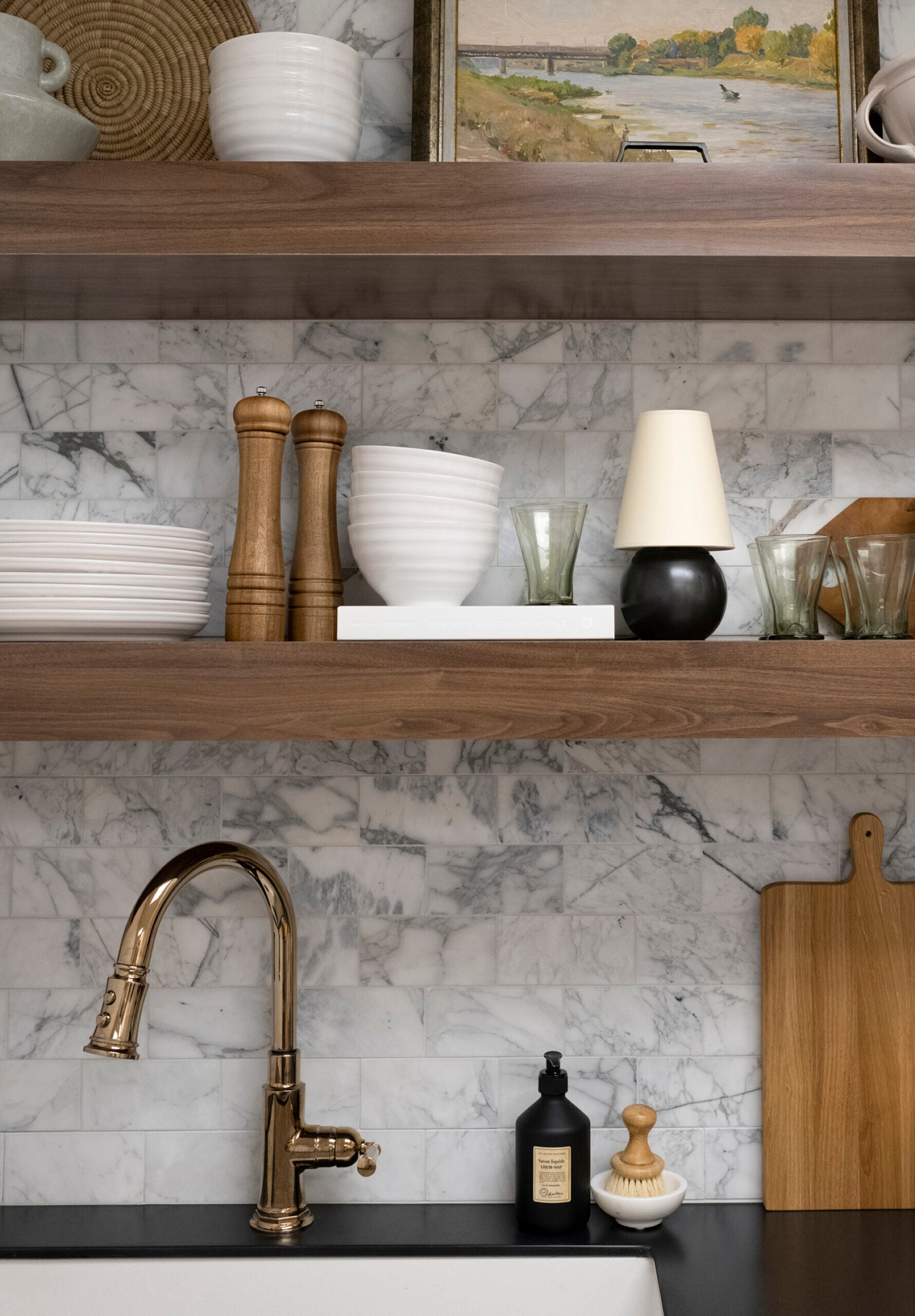
As you’re making tile selections, keep the following in mind… planning these details before installation can prevent awkward cuts, odd layouts, and unfinished looking transitions:
- Choose a tile size that suits the scale of the room.
- Decide whether the layout should blend in or make a statement.
- Plan how every visible edge and outside corner will be finished (preferably with tile trim, not Schluter).
- Choose the grout color and grout joint width.
- Align borders and color changes with architectural features.
- Plan tile placement around niches, outlets, windows, and fixtures.
- Create a dry layout before setting the tile.
Questions?
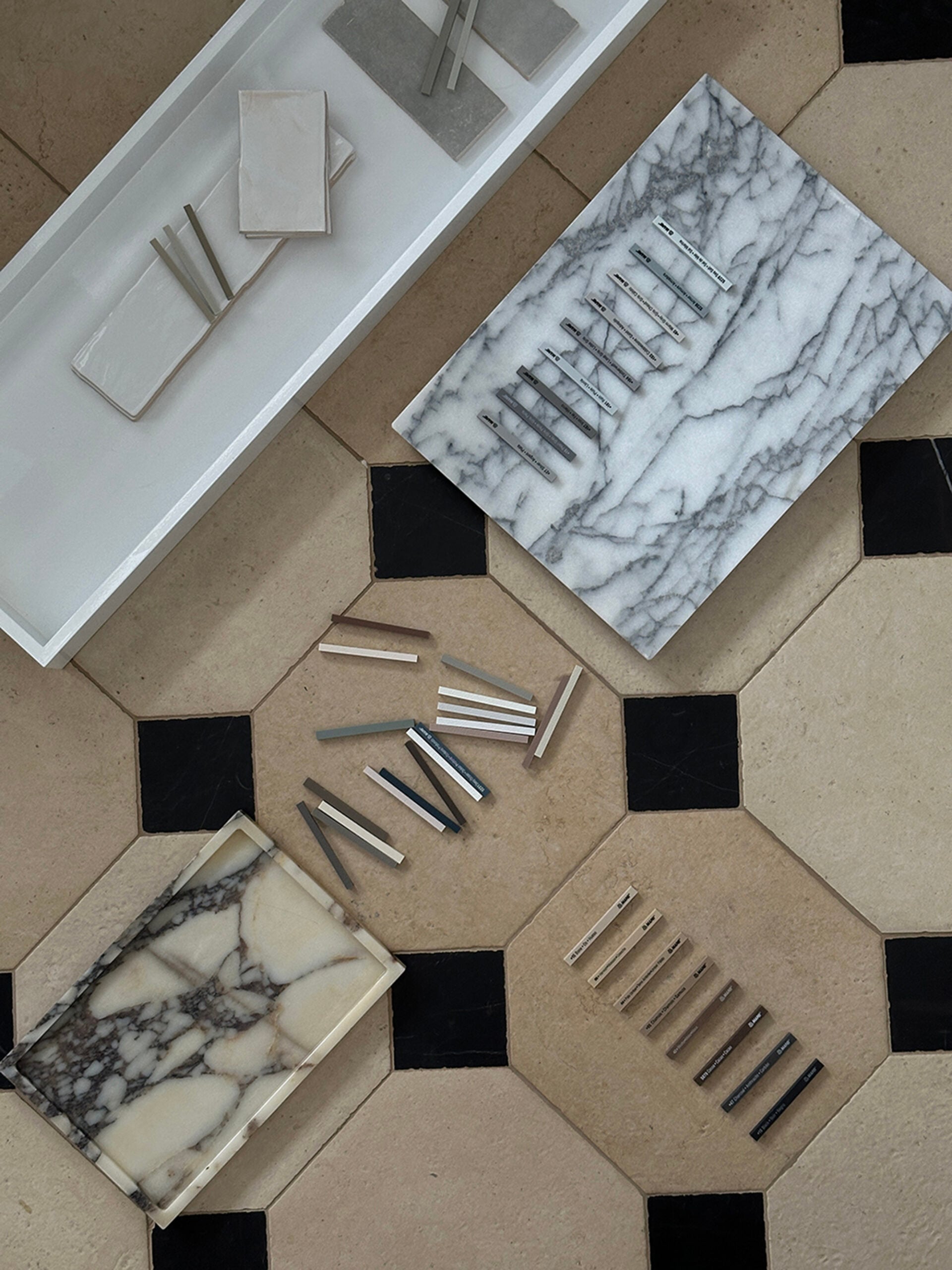
Choose a coordinating grout if you want a softer, more seamless appearance. Use contrasting grout if you want to emphasize the pattern and shape of each tile. I usually consider the other patterns and focal points in the room before deciding. Our entryway tile happens to be natural (tumbled) limestone, and I love the monochromatic grout I paired alongside it. The tile is so lovely on its own, I didn’t want to detract from it or the nero marble accent tiles.
A horizontal running bond is the most traditional option. It works particularly well in historic, classic, and transitional interiors. Its simplicity also allows trim, fixtures, and architectural details to stand out.
Focus on the installation, always add trim, consistent grout joints, carefully planned cuts, and finished edges can make affordable subway tile look much more custom.
I don’t think so. This is one of those historic materials that has been around forever. While it is being used often and I’d consider it to be on the trendy side— I do like how it captures the light, adds an organic feel, and creates depth.
Related Posts
Looking for more posts on tile installation, or maybe you’d like to see some of my recent top picks? I’ll link them for you below…
- Timeless Tile Picks from Wayfair
- How to Tile a Backsplash the Easy Way Using Mussel Bound
- How to Easily Tile Over an Existing Concrete Patio
- The Best Mapei Grout Colors (Designer Tile Pairings & Advice)
- How to Plan and Design a Shower Niche
- Our Entryway Tile + Alternative Options
- DIY Heated Floor Tile
At the end of the day, subway tile is a classic material— even if it’s everywhere. To sum things up, I’ll use this little analogy… subway tile is like a basic tee. You can wear it every single day and it can look fresh and new depending on how you style it. That’s exactly how I like to think of subway tile! It’s so versatile and can morph into any aesthetic… it just depends on how you install it. Subway tile will never really go out of style, but it can look boring if you don’t pay attention to the details. Give those details the attention they deserve, and this affordable classic can look every bit as thoughtful as a much more expensive material. I want your feedback in the comments below!

First of all, I had to google schluter; thanks for the education! Now. I added white subway to my kitchen a couple of years ago; we used the slightly smaller tile (maybe 2×4?) because the scale seemed better. We LOVE how it improved the look of our kitchen. Basic seemed right for our simple 1940s Cape.🙂 I love all of your suggestions…except the accent band. Sorry! I trust that you will make it beautiful, but I think I’m scarred by terrible glass tile mosaics in shoddy flip houses. On another note, you’ve mentioned a couple of times looking to history for timeless inspiration. Tell me how you do that! I’m intrigued. (Happy tiling!)
Ha! I think schluter is a fun word. Anytime I get to use it in a project, I make sure to throw it into as many sentences as I can :) Great choice on your 2×4 kitchen tile- that’s a wonderful scale and a good variation to ensure you’ll love it forever!
I’m hoping you’ll feel differently about my contrast border once you see it installed in my guest bath- I’m really excited about it, but no hard feelings if you don’t love it. Everybody has their preferences and that’s what keeps things interesting. I also understand the terrible glass mosaics in flip houses… that certainly wasn’t a good look and didn’t help the popularity of that detail. Haha!
Yes!! I love ‘looking to history’ for inspiration. I’ll go back through old design and architecture books, or visit historic buildings in my city or when I travel. The bigger cities have the best inspiration, in my opinion- New York, Chicago, Cincinnati, Charleston (not big, but charming). I love seeing original tile (penny tile, classic subway, etc) or tile that was replaced with the exact same thing. It’s always super intentional, simple, installed with impeccable craftsmanship, and I’m always very inspired by it. In addition to tile, millwork is another good takeaway from those sorts of buildings!
Sarah, I think you have chosen great photos as examples of classic tile. Tile can be enduring with good choices and quality installation. Our first house, a Cape Cod built in the 40s, had original tile in the bathroom and original floor tile to complement the wall tile and trim! The owners had remodeled other rooms and said the bathroom was next on the list. I was so glad they left the bathroom alone! And when we sold, the new owners were as appreciative as we were. Interesting that Cincinnati is on your list. I know that Cincinnati was a center for pottery arts in the first part of the last century, so it would follow that they might have some great examples of tile in homes there, probably hand made too.
Yes!! That was the best choice for your Cape Cod. I bet it was beautiful! We moved to Utah from Ohio, so I have a soft spot in my heart for Cincinnati and the design there…. Emmett and I grew up near Louisville, and that’s another good city for historic inspiration in terms of tile :)
I’m here looking Sarah, at your beautiful design which we love, because we are trying to build a house in Grenada, which we don’t have to do any installation, because it’s in the Caribbean, but it’s hard to find excellent architecture or builders there , and if we find one we have to trust them , because we heard and see how they treated people after they got paid, not a good treatment. My dad pass away not long and leave a piece of land for us, and I’m lucky he did, so we are trying to build a house there through the housing authority there, and we look at the houses they build, not bad, but the kitchen, bathrooms etc, we find it should build better or look great where we could enjoy a great spaces with our family and friend. We are building because the hotel are so expensive there. We wish we had some one like you to help us, because we love your unique designs. Much appreciate your designs.
Thank you so much, Marilyn! Congratulations on your home in the Caribbean- that sounds incredible. I’m also very sorry to hear about your father’s passing. My condolences. I am glad to hear the blog has been helpful with your home design :)
I can’t find the flat accent tiles anywhere in gray. They are all rounded tiles. Do you have any resources? In another bath I used 6 x .5 inch. I can go larger in this other bathroom.
I would check with some local tile stores, Kathi! Usually they have the best selection and you’re able to see those details better than online.
I have a basic cream colored subway tile backsplash. I want to keep the solid color (since our countertops are busy), but I like that aged look. Is there any way to paint the current backsplash to make it look aged? Can’t find anything online about it. Thanks.
Hi Tina, I wish I could help with this, but I haven’t heard of or tried painting subway tile. You can definitely stain or adjust the grout color, but in regards to the tile- I probably wouldn’t advise painting it. I’m sorry I can be more helpful on this issue!
You definitely can paint the tile. Had friends who live in NYC do it and it looked great. Contact tub resurfacing company. If they paint the tile they will also be painting the grout.
Love this step-by-step guide! Your tips make subway tile installation feel so easy and approachable—definitely inspiring for a DIY project!
Thanks, Michael! Love to hear that!
Happy Friday Sarah! Subway tile is such a classic and I have definitely grown to appreciate it. Funny that the examples I adore most contain trim pieces and accent pieces like what you’ve shown here. Our primary bath has 4×4 stacked subway tile around the drop-in tub. When I contemplate a redesign mentally, I flip-flop on whether I would change the scale, scrap it for a different look, or keep it as-is and add gorgeous trim pieces. I definitely think the scale is wrong (it’s a little… stubby). We also have subway tile countertops in the kitchen. Love/hate relationship there, but I’ve often thought about simply replacing damaged tiles and refreshing the grout (read that as caulk, thanks to previous owners) for an updated appearance, since we are nowhere near renovating the kitchen. This post is one I often come back to in those mental redesigns, because I just love how you do subways. Anyway, I hope you’ve had a fantastic week, and an almost finished primary bath!! I’m excited to see that one!
I love the tight subway tile placement in this guest bath. Have you specified the grout used?